
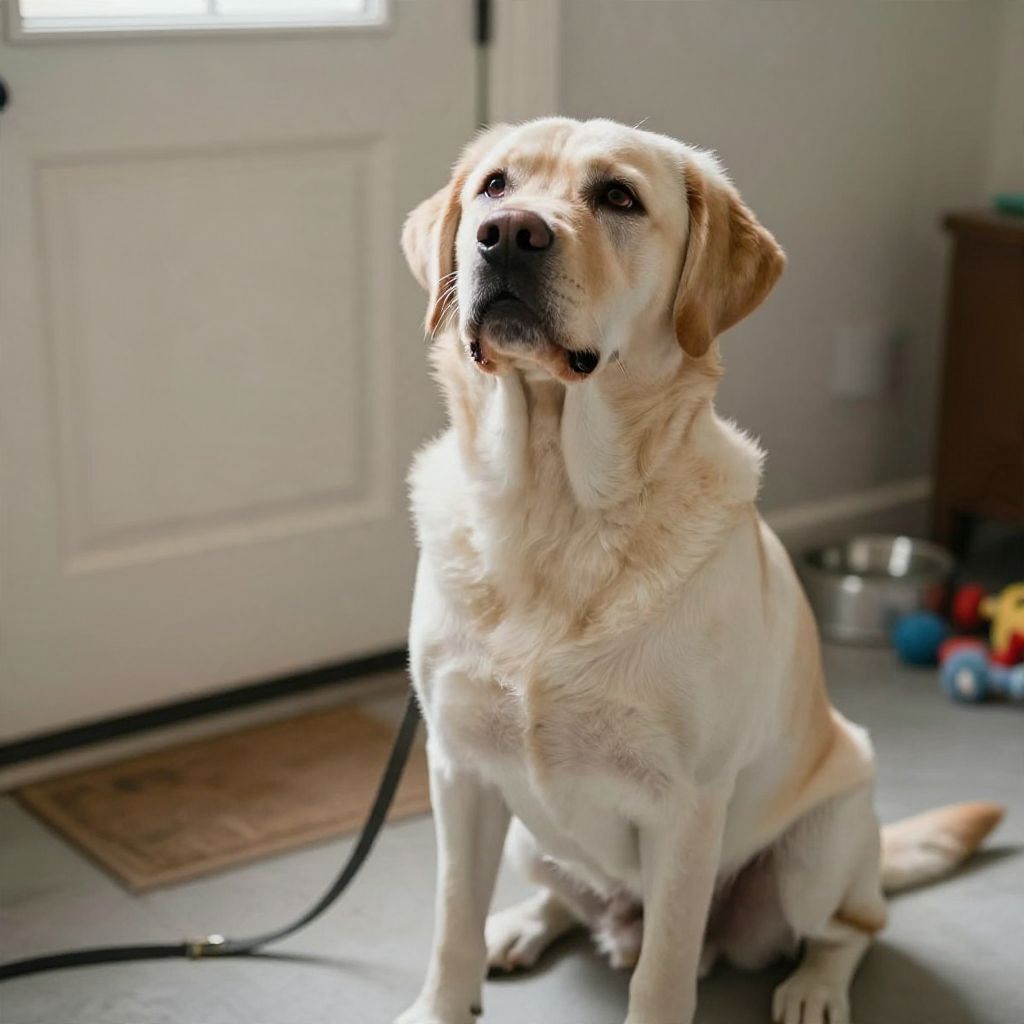
If you’re asking, “Why is my dog crying?” the answer can range from a simple need for attention to pain, fear, or a medical problem. The key is to look at when the crying happens, what else your dog is doing, and whether the behavior is new or getting worse.
Some dogs vocalize when they are excited, frustrated, lonely, or uncomfortable. Others cry because something is wrong physically, so it’s important to watch for changes in appetite, movement, breathing, bathroom habits, or energy.
Why is my dog crying?
Dogs cry, whine, or whimper for many reasons, including stress, boredom, separation, attention-seeking, pain, nausea, injury, or a need to go outside. If the crying is sudden, intense, or paired with other symptoms, treat it as a possible health issue and contact your veterinarian.
Common reasons dogs cry
They want something
Many dogs learn that crying gets a response. They may be asking for food, water, a walk, playtime, or access to a person or room.
- Whining near the door may mean they need to potty.
- Crying during mealtimes may mean they are excited or anxious.
- Vocalizing when you stop petting them may mean they want more attention.
They are anxious or stressed
Dogs may cry when they feel uncertain, overstimulated, or scared. This can happen during thunderstorms, car rides, vet visits, new environments, or when left alone.
Some dogs are naturally more sensitive, but anxiety can affect any dog depending on age, past experiences, and training history.
They are in pain or discomfort
Pain is a major reason dogs cry. Arthritis, an ear infection, dental pain, stomach upset, a sprain, or an internal problem can all cause vocalizing.
Watch for stiffness, limping, hiding, reluctance to jump, trembling, licking one body part, or changes in posture.
They are bored or under-exercised
A dog with too little physical activity or mental enrichment may whine to release energy or get your attention. This is especially common in young, active, or highly social dogs, though any dog can become frustrated.
Chewing, pacing, and repeated barking or whining often go along with boredom.
They are excited or frustrated
Some dogs cry when they are highly aroused, such as before a walk, when visitors arrive, or when they can see another dog but cannot reach it. This is often a sign of excitement mixed with frustration.
Training and calmer routines can help, but the pattern may take time to change.
They are aging or confused
Senior dogs may cry more because of discomfort, hearing or vision loss, cognitive decline, or anxiety. Older dogs may also vocalize at night if they feel disoriented or need to go outside more often.
Any new crying in an older dog deserves a veterinary check.
When crying may be a medical problem
If your dog’s crying is new, frequent, or paired with physical changes, do not assume it is behavioral. Pain and illness can look like “misbehavior,” especially in dogs that are usually quiet.
Red flags that need prompt veterinary care
- Sudden crying with limping, collapse, or inability to stand
- Repeated crying plus vomiting, diarrhea, bloated abdomen, or refusal to eat
- Labored breathing, blue-tinged gums, or extreme weakness
- Crying when touched, picked up, or moving in certain ways
- Straining to urinate or defecate
- Blood in urine, stool, vomit, or obvious swelling
- Possible toxin exposure or injury
Seek urgent veterinary care immediately if your dog is struggling to breathe, collapses, has a swollen abdomen, has a seizure, or seems severely painful.
How to figure out why your dog is crying
Start by observing the pattern instead of reacting to the noise alone. The timing and context often point to the cause.
- Notice when it happens. Is it before meals, when you leave, at night, after exercise, or when touched?
- Check for body-language clues. Look for panting, pacing, tucked tail, pinned ears, restlessness, stiffness, licking, or hiding.
- Think about recent changes. New food, new schedule, visitors, travel, a move, or a new pet can all matter.
- Rule out basic needs. Make sure your dog has water, a chance to potty, and an appropriate amount of exercise.
- Look for pain signs. If your dog cries when moving, jumping, or being handled, call your vet.
What to do when your dog is crying
Meet basic needs first
Before assuming it is a behavior issue, make sure your dog has had a potty break, food if it is mealtime, fresh water, and enough rest. Puppies, seniors, and dogs with medical conditions may need more frequent bathroom breaks.
Stay calm and avoid rewarding the crying
If your dog is crying for attention and you immediately respond every time, the behavior can become stronger. Instead, wait for a brief quiet moment before giving attention, praise, or access to what they want.
This does not mean ignoring a dog who may be sick or scared. It means avoiding accidental reinforcement when the cause is attention-seeking.
Give appropriate exercise and enrichment
Many dogs need both movement and mental work. A short walk, sniffing time, food puzzles, basic training, or supervised play can reduce frustration and whining.
- Use sniff walks to let your dog explore at their own pace.
- Offer puzzle feeders or scatter feeding if your dog eats too quickly or seems restless.
- Practice simple cues like sit, down, and settle using reward-based training.
Create a predictable routine
Dogs often cope better when meals, walks, bedtime, and alone time happen on a fairly regular schedule. Predictability can reduce anxiety-related crying, especially in puppies and sensitive dogs.
Make alone time easier
If your dog cries when left alone, start with very short departures and build gradually. Pair absences with calm, safe experiences and avoid making departures or returns overly dramatic.
For persistent separation-related crying, a certified trainer or veterinary behaviorist can help you build a plan that fits your dog.
What not to do
When you’re frustrated, it is tempting to try quick fixes, but some approaches can make crying worse or damage trust.
- Do not punish, yell at, or physically correct your dog for crying.
- Do not assume the dog is “being dramatic” if the crying is new or different.
- Do not give human pain medicine unless your veterinarian specifically instructs you to do so.
- Do not wait out severe symptoms that could signal pain, injury, or illness.
Why puppies cry
Puppies cry more often than adult dogs because they are still learning how to cope, communicate, and settle. Common reasons include needing the bathroom, missing littermates, hunger, fear, or being overstimulated.
For young puppies, consistent routines, crate training done gently, nighttime potty breaks, and gradual alone-time practice can help. If a puppy cries constantly, seems weak, won’t eat, or has diarrhea or vomiting, contact your veterinarian quickly.
Why senior dogs cry
Older dogs may cry because of arthritis, dental disease, vision loss, cognitive changes, or other medical issues. Nighttime crying in a senior dog is especially worth checking, because it can reflect pain, confusion, or a need to eliminate more often.
Your vet can help determine whether your senior dog needs pain management, a medical workup, or environmental changes such as easier access to water, softer bedding, or ramps.
When to call the vet versus a trainer
If the crying is linked to pain, illness, appetite changes, bathroom changes, or sudden behavior shifts, start with your veterinarian. If your dog is medically healthy but cries from anxiety, frustration, or attention-seeking, a qualified trainer or veterinary behaviorist can help.
- Vet first for new, sudden, or painful crying.
- Trainer or behaviorist for recurring whining tied to routines, separation, or excitement.
- Both if the cause is unclear or the behavior is severe.
Conclusion
If you’re wondering why your dog is crying, start by checking for pain, illness, and unmet needs before assuming it is only behavior. Watch the pattern, respond calmly, and get veterinary help quickly if the crying is sudden, intense, or paired with other symptoms.
If you want to keep learning about related warning signs, you may also find why is my dog breathing heavy and why is my dog shaking and panting helpful.