
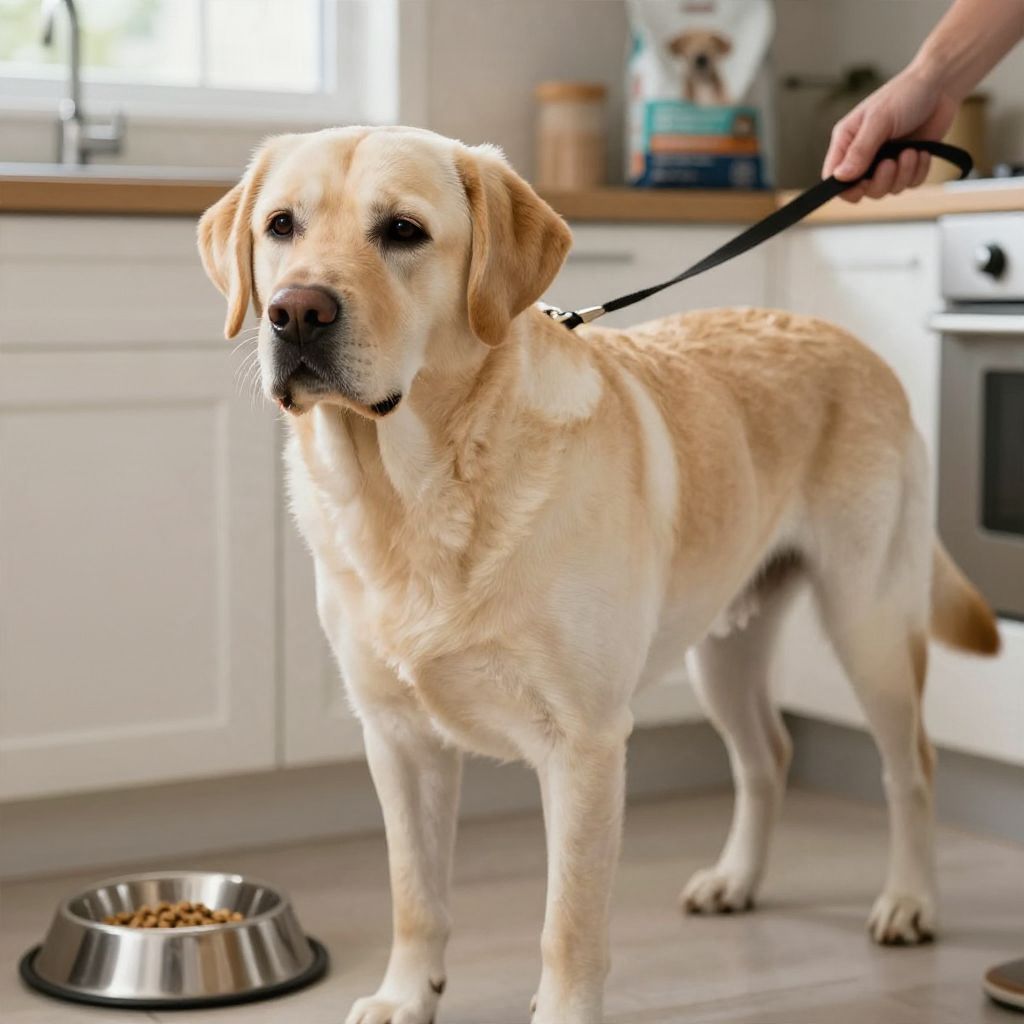
If you’re wondering, “Why is my dog so gassy?”, the answer is usually diet, eating habits, or mild digestive upset. Some gas is normal, but frequent, foul-smelling, or sudden changes can point to a food intolerance, swallowing air, intestinal irritation, or a health problem that needs a vet’s attention.
The good news is that many causes are manageable with simple changes. The key is to notice whether your dog also has vomiting, diarrhea, belly pain, weight loss, or a swollen abdomen, because those signs can mean something more serious.
Why is my dog so gassy?
Most dog gas comes from swallowed air, food that is difficult to digest, or changes in the gut bacteria that help break down meals. Occasional flatulence is normal, but persistent or very smelly gas can happen with diet changes, eating too fast, food sensitivities, parasites, or digestive disease.
Common causes of gas in dogs
Gas is a symptom, not a diagnosis. The most common causes are often related to what and how your dog eats, but age, breed, body size, and health history can all play a role.
1. Eating too fast
Dogs that gulp food often swallow extra air, which can lead to burping, farting, and bloating. This is especially common in dogs that are very food-motivated or compete with other pets at mealtime.
- Use a slow-feeder bowl if your dog inhales meals.
- Try smaller, more frequent meals.
- Feed dogs separately if they rush because of competition.
2. Diet changes or rich foods
A sudden switch in food can upset the digestive tract and cause gas. Rich table scraps, greasy foods, and too many treats can also make stools softer and increase odor.
If you recently changed food, transition gradually over several days unless your veterinarian told you otherwise.
3. Food intolerance or sensitivity
Some dogs do poorly with certain ingredients, such as specific proteins, dairy, or high-fat foods. This does not always mean a true allergy, but it can still cause gas, loose stool, itching, or chronic tummy upset.
Because symptoms overlap with other problems, a veterinarian may recommend a structured diet trial rather than guessing at home.
4. Low-quality digestion or hard-to-digest ingredients
Some foods are simply harder for a particular dog to digest. High-fiber diets, very rich diets, and some ingredient combinations can increase fermentation in the intestines and lead to more gas.
What works for one dog may not work for another, so individual response matters more than marketing claims.
5. Swallowed air from excitement or stress
Dogs that pant heavily, gulp water, or eat while anxious may swallow more air. Stress can also affect gut motility, which may change stool quality and gas production.
For some dogs, calmer feeding routines and predictable schedules help reduce digestive upset.
6. Intestinal parasites or infection
Worms, giardia, and other intestinal infections can cause gas along with diarrhea, weight loss, vomiting, or a dull coat. Puppies and dogs with outdoor exposure may be at higher risk, but any dog can be affected.
If gas comes with diarrhea or your dog seems unwell, a fecal exam from your vet is a smart next step.
7. Underlying medical conditions
Chronic gas can sometimes be linked to inflammatory bowel disease, pancreatic problems, malabsorption, or other digestive disorders. These issues are more likely when gas is ongoing and paired with poor appetite, weight loss, or recurring stool changes.
These conditions cannot be diagnosed reliably at home.
When dog gas is normal and when it is not
Occasional flatulence, especially after a big meal or a new treat, is usually not a concern. What matters is the pattern: sudden change, increasing frequency, strong odor with other symptoms, or gas that keeps happening despite diet adjustments.
Usually less concerning
- Brief gas after eating quickly
- Mild gas after a new treat or food
- Normal appetite, energy, and stool
More concerning
- Gas with diarrhea or vomiting
- Repeated belly gurgling, discomfort, or restlessness
- Loss of appetite or weight loss
- Gas that starts suddenly and does not improve
Red flags that need urgent veterinary care
Some signs mean your dog needs prompt veterinary attention, not watchful waiting. A swollen or hard abdomen, repeated unproductive retching, severe pain, collapse, or trouble breathing can be an emergency.
- Distended abdomen or obvious bloating
- Repeated retching without bringing anything up
- Severe lethargy or weakness
- Vomiting plus inability to keep water down
- Black, bloody, or very watery diarrhea
- Signs of dehydration, such as dry gums or sunken eyes
If your dog has these signs, contact an emergency veterinarian right away.
What you can do at home
For mild gas without red-flag symptoms, you can start by looking at feeding habits and recent diet changes. Keep notes on when the gas happens, what your dog ate, and whether stool or behavior changed.
- Review the diet. Check for new foods, treats, chews, table scraps, or access to garbage.
- Feed more slowly. Use a slow feeder or split meals into smaller portions.
- Keep treats simple. Too many rich treats can upset digestion.
- Make changes gradually. Transition foods slowly unless your vet says otherwise.
- Monitor stool and appetite. Changes here help you judge whether the problem is improving.
Helpful feeding habits
- Stick to a consistent meal schedule.
- Avoid sudden swaps between foods.
- Offer fresh water, but don’t let your dog gulp huge amounts after intense exercise.
- Keep trash, compost, and spoiled food out of reach.
What not to do
It is tempting to try quick fixes, but some approaches can make things worse or delay proper care. Avoid guessing at supplements or home treatments if your dog has ongoing symptoms.
- Do not give human medications unless your veterinarian specifically instructs you to do so.
- Do not fast a puppy, toy breed, or dog with other illness without veterinary guidance.
- Do not keep changing foods every few days, because that can confuse the picture and upset the gut further.
- Do not ignore gas that comes with vomiting, diarrhea, or pain.
How your dog’s age and size can matter
Age and body size can affect how gas shows up, but they do not determine the cause by themselves. Puppies may be more prone to parasites and diet mistakes, while senior dogs may be more likely to have chronic digestive disease or dental issues that affect eating habits.
Larger, deep-chested dogs can be at higher risk for dangerous bloating, so a suddenly swollen belly or repeated retching should always be treated seriously. Smaller dogs may seem to have “simple gas,” but they can become dehydrated faster if vomiting or diarrhea is also present.
When to call your veterinarian
Call your veterinarian if the gas is persistent, worsening, or paired with any other symptom. A vet can help decide whether your dog needs a fecal test, diet trial, exam, or further testing.
- Gas lasting more than a few days
- Recurring gas after every meal
- Loose stool, vomiting, or appetite changes
- Weight loss or low energy
- New symptoms in an older dog
If your dog is otherwise bright, eating, and acting normal, your vet may suggest a food history review and gradual diet adjustment first.
How veterinarians may investigate the problem
If home changes do not help, your vet may look for digestive causes and rule out parasites or other illness. The exact workup depends on your dog’s symptoms, age, and medical history.
- Physical exam and abdominal palpation
- Stool testing for parasites or infection
- Diet review and elimination diet trial if needed
- Bloodwork or imaging when symptoms suggest a deeper problem
This stepwise approach helps avoid unnecessary changes and focuses on the most likely cause.
Simple prevention tips
Once you identify the likely trigger, prevention is usually about consistency. Many dogs do best with a steady routine and a diet that suits their individual digestion.
- Keep meals consistent.
- Introduce new foods slowly.
- Limit rich table food and excessive treats.
- Use puzzle feeders or slow bowls if your dog gulps food.
- Stay current on parasite prevention and fecal checks as advised by your vet.
Bottom line
If you’re asking, “Why is my dog so gassy?”, the most common answer is a diet or eating-habit issue, but persistent gas can also signal parasites or a digestive problem. Watch for vomiting, diarrhea, pain, bloating, or appetite changes, and contact your veterinarian if the gas is ongoing or your dog seems unwell.
If you want to keep learning, you may also find it helpful to read about why dogs fart so much and why dogs have diarrhea.