
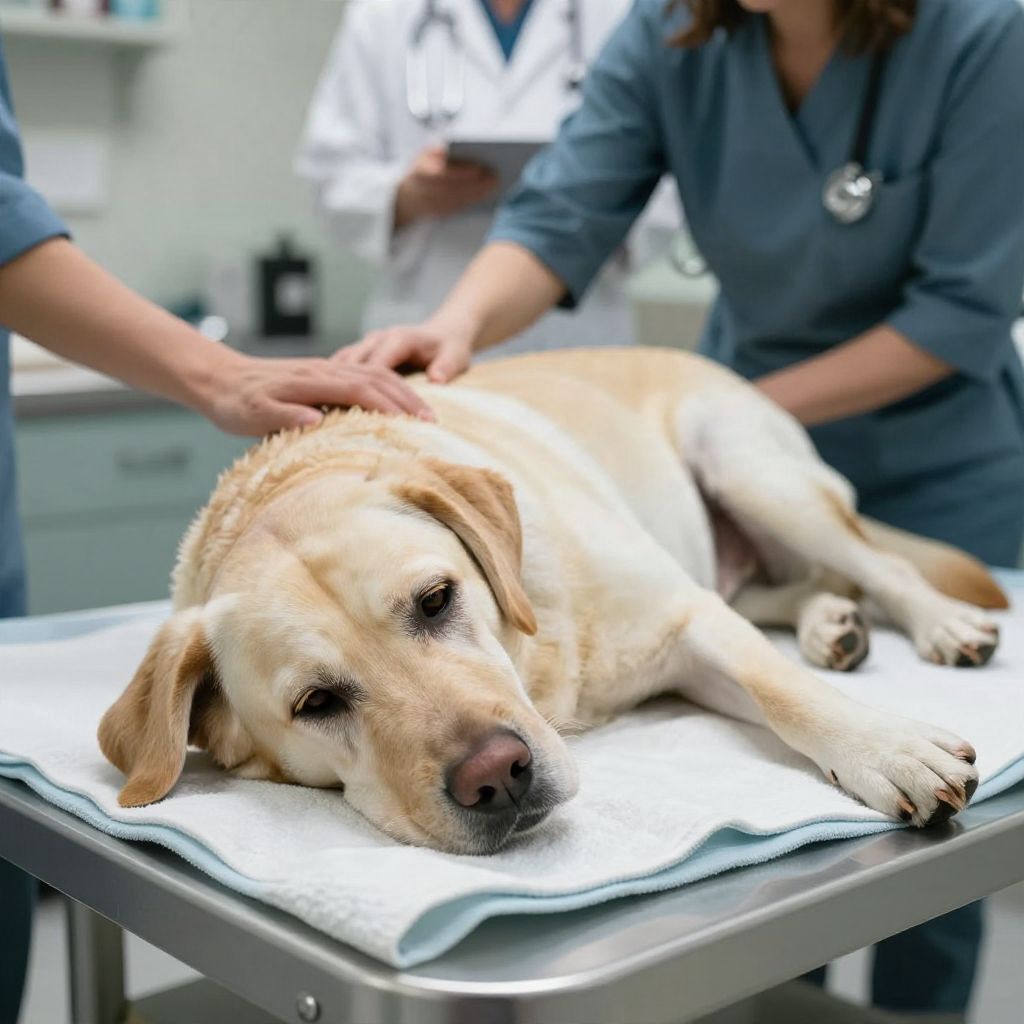
If you’re wondering how to tell if your dog is dying, the most important thing is to look for a pattern of severe decline, not one isolated symptom. End-of-life changes often include profound weakness, loss of interest in food or water, trouble breathing, confusion, pain, and not being able to stand or move comfortably.
Some of these signs can also happen with treatable illness or a sudden emergency, so your veterinarian should assess your dog as soon as possible. If your dog is struggling to breathe, collapsing, having seizures, or seems in severe distress, seek urgent veterinary care right away.
How To Tell If Your Dog Is Dying?
A dying dog usually shows a steady worsening of several signs at once: extreme weakness, little or no interest in food or water, difficulty breathing, loss of mobility, pain, and withdrawal from family. The key is change over time. If your dog suddenly develops these signs, treat it as an emergency and call a veterinarian immediately.
Common signs your dog may be nearing the end of life
Every dog is different. Age, breed tendencies, chronic disease, cancer, heart failure, kidney disease, and sudden injury can all change how these signs appear.
1. Severe loss of energy and weakness
Your dog may sleep almost constantly, seem too weak to rise, or tire quickly after only a few steps. This is more concerning when it is new, rapidly worsening, or paired with other symptoms.
2. Not eating or drinking
A dog that stops eating for a day or more, or refuses water, may be seriously ill. Near the end of life, some dogs lose interest in both food and water, but dehydration and nausea can also be treatable causes.
3. Trouble breathing
Labored breathing, open-mouth breathing at rest, noisy breathing, or a dog that cannot get comfortable are urgent warning signs. Breathing changes can signal pain, fluid in the lungs, heart disease, or another emergency.
4. Inability to stand, walk, or control the body
Dragging the legs, collapsing, stumbling, or losing bladder and bowel control can happen in advanced illness or after a serious event. Sudden paralysis or collapse needs immediate veterinary attention.
5. Pain that is hard to manage
Dogs in pain may pant at rest, tremble, hide, whine, resist being touched, or have a tense posture. Some dogs become unusually quiet rather than vocal, so pay attention to behavior changes that suggest discomfort.
6. Withdrawal and behavior changes
A dog that no longer greets you, avoids interaction, or seems confused may be declining. Some dogs seek more closeness, while others prefer to be alone. Either change can be normal, but a sudden personality shift is worth a veterinary call.
7. Changes in bathroom habits
Accidents, very dark urine, diarrhea, constipation, or no urination can all indicate serious illness. If your dog cannot urinate or seems to strain without producing urine, get help quickly.
What to do right now if you think your dog is dying
Focus on your dog’s comfort and get professional guidance quickly. Even when death is possible, some causes are treatable, and a veterinarian can help you decide whether emergency care, hospice care, or euthanasia is the most humane option.
- Call your veterinarian or an emergency clinic. Describe the symptoms clearly and how fast they started.
- Keep your dog calm and comfortable. Move slowly, reduce noise, and avoid unnecessary handling.
- Do not force food, water, or medication. Forcing intake can cause choking or worsen distress.
- Watch breathing, gum color, and consciousness. Pale, blue, or gray gums are emergencies.
- Prepare for transport if advised. Use a blanket or large towel to support a weak dog safely.
Red-flag symptoms that need urgent veterinary care
Do not wait if your dog has any of the following. These signs can be life-threatening even if they later improve briefly.
- Difficulty breathing or gasping
- Collapse, fainting, or inability to stand
- Seizures or repeated tremors
- Severe bleeding or a swollen, painful abdomen
- Blue, gray, or very pale gums
- Sudden paralysis or severe weakness
- Suspected poisoning or toxin exposure
- Extreme pain, crying out, or a rigid body
- No urination with straining or distress
How to tell the difference between old age and a medical emergency
Old age itself is not a diagnosis. A senior dog may slow down gradually, but sudden collapse, severe pain, or breathing trouble is not “just getting old.” Many illnesses in older dogs are manageable when caught early.
- Gradual decline may fit aging or chronic disease.
- Sudden change is more concerning for an emergency.
- Multiple symptoms together are more serious than one mild sign.
- Any sign of distress deserves veterinary advice.
What to observe before you call the vet
Clear details help your veterinarian judge urgency. If you can, note when the symptoms started and whether they are getting worse.
- When your dog last ate, drank, urinated, or had a bowel movement
- Whether your dog can stand, walk, or turn around
- Any vomiting, diarrhea, coughing, or breathing changes
- Signs of pain, confusion, or unusual behavior
- Any possible toxin exposure, injury, or missed medication
Comfort care while you wait for veterinary guidance
If your dog is stable enough to remain at home briefly, keep things quiet and low-stress. The goal is comfort, not trying to “fix” the problem yourself.
- Provide a soft, warm resting area
- Keep water nearby, but do not force drinking
- Limit stairs, jumping, and long walks
- Use a harness or towel sling if your dog needs help moving
- Keep other pets and children calm and supervised
What not to do
- Do not give human pain relievers or leftover prescriptions
- Do not use essential oils, alcohol, or unproven home treatments
- Do not delay care because your dog seems “a little better” for a moment
- Do not assume a senior dog’s symptoms are normal aging
When euthanasia may be discussed
Sometimes a veterinarian may explain that your dog’s condition is terminal or that treatment is no longer helping. If that happens, ask about pain control, hospice care, and whether euthanasia would prevent suffering.
Quality-of-life decisions are deeply personal, but they should be based on your dog’s comfort, ability to move, eat, breathe, and enjoy time with you. Your veterinarian can help you think through the options without pressure.
Questions to ask your veterinarian
These questions can help you understand what is happening and what to expect next.
- Is this likely an emergency?
- Is there a treatable cause, or is this likely end-stage disease?
- What signs would mean my dog is in pain or distress?
- What can I do at home to keep my dog comfortable safely?
- Should I prepare for hospice care or euthanasia?
How to support your dog emotionally
Even very ill dogs often find comfort in familiar routines, gentle voice, and your presence. Keep interactions calm and predictable, and let your dog choose whether to rest alone or near you.
If your dog wants affection, offer it softly. If your dog prefers space, respect that too. Comfort at the end of life should match your dog’s temperament and needs.
Final takeaway
If you are asking how to tell if your dog is dying, look for a clear decline in breathing, mobility, appetite, awareness, and comfort. When in doubt, call a veterinarian right away. Fast action can sometimes save a life, and when it cannot, it can still reduce suffering.
For more help recognizing end-of-life changes, you may also find signs a dog is dying and signs your dog is dying of old age useful for comparison, but always confirm concerns with a veterinarian.