
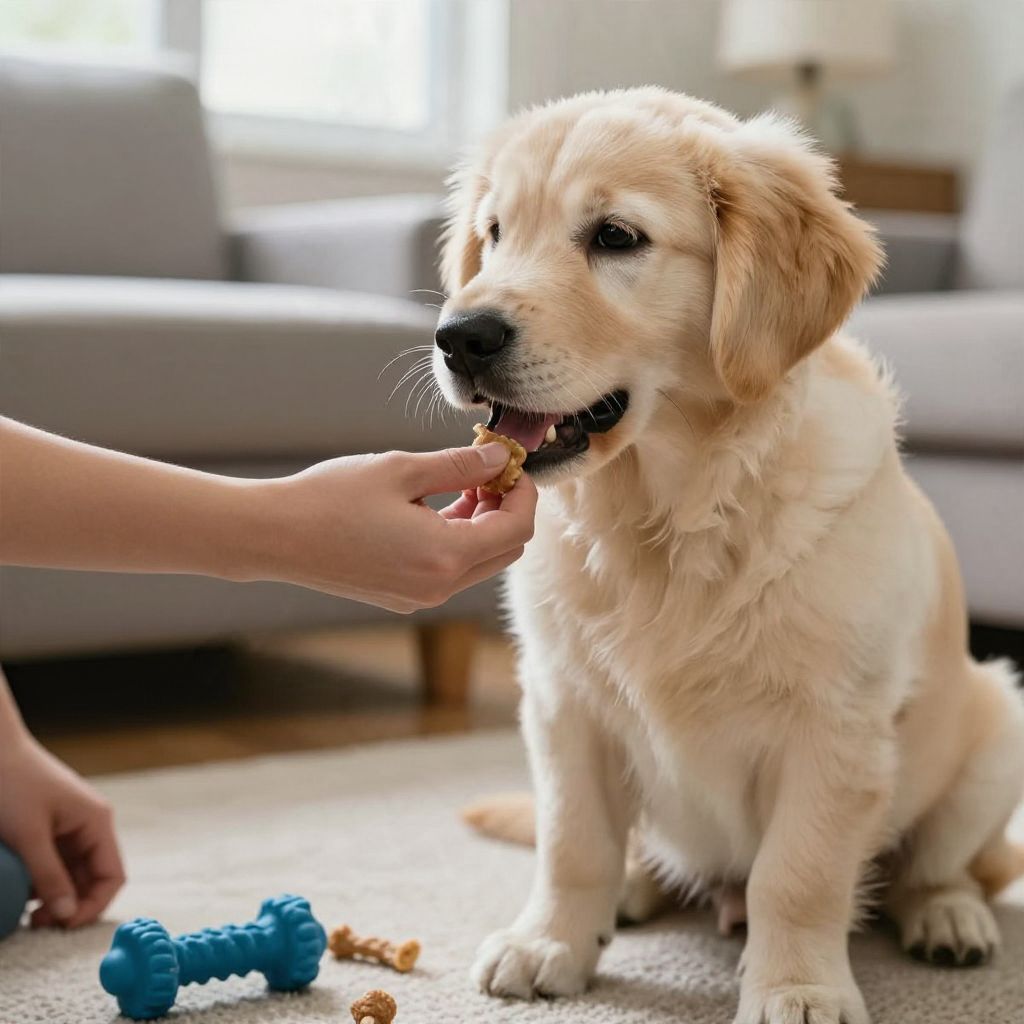
If you’re wondering why do dogs nibble on you, the answer is usually that your dog is trying to communicate, play, groom, or soothe themselves. Gentle nibbling can be normal, but it can also signal overexcitement, teething, stress, or a behavior that needs training.
The key is to look at how your dog nibbles, when it happens, and whether it stays soft or starts to become rough. That context helps you tell harmless affection from a habit that should be redirected.
Why Do Dogs Nibble On You?
Dogs nibble on you for several common reasons: play, affection, grooming behavior, teething, boredom, or anxiety. A soft nibble is often harmless, but repeated or hard nibbling can mean your dog needs more exercise, better enrichment, clearer boundaries, or a veterinary check if discomfort may be involved.
Common Reasons Dogs Nibble
Play and excitement
Many dogs nibble during play because they are using their mouths the way puppies do with littermates. If the nibbling happens during roughhousing, zoomies, or greeting time, your dog may simply be overexcited and not yet fully controlling mouth pressure.
This is especially common in puppies and adolescent dogs, but adult dogs can do it too if they have not learned calmer play habits.
Affection and social bonding
Some dogs nibble gently as a social gesture, similar to grooming or “mouthing” that dogs use with familiar companions. If your dog is relaxed, loose-bodied, and calm while nibbling, it may be a sign of affection rather than a problem.
Even so, affection nibbling should still be guided so it stays gentle and does not become a habit that bothers you or other people.
Puppy teething
Puppies often nibble because their mouths are sore and they are exploring the world with their teeth. During teething, they may seek out fingers, sleeves, ankles, or other tempting targets because chewing helps relieve discomfort.
Teething nibbling usually improves with age, but puppies still need consistent redirection to appropriate chew items.
Grooming or “allogrooming” behavior
Dogs sometimes nibble at your skin or clothing the way they would groom another dog. This can look like tiny, repeated nips or picking motions with the front teeth. It is often harmless, but it may become more frequent if your dog is seeking attention or comfort.
Boredom or lack of enrichment
A dog that does not get enough physical exercise, mental stimulation, or social interaction may invent mouth-based behaviors to entertain themselves. Nibbling can become a default habit when your dog has too much energy and too few appropriate outlets.
If the behavior is worse at certain times of day, it may be a clue that your dog needs more structured activity.
Stress, frustration, or self-soothing
Some dogs nibble when they feel uncertain, frustrated, or overstimulated. This can happen during handling, after exciting visitors arrive, or when a dog is trying to calm themselves.
If nibbling appears alongside pacing, lip licking, yawning, whale eye, tucked posture, or avoidance, stress may be part of the picture.
Skin irritation or pain
Sometimes a dog nibbles at you because they are uncomfortable themselves and are seeking contact, distraction, or reassurance. Less commonly, a dog may mouth or nibble in a way that seems unusual because they are in pain, itchy, or not feeling well.
If your dog’s nibbling is new, sudden, or paired with other changes in behavior, appetite, mobility, or skin condition, a veterinarian should evaluate them.
How to Tell Normal Nibbling From a Problem
Not every nibble means the same thing. The details matter more than the behavior alone.
- Likely normal: soft mouth, loose body, brief contact, happens during calm affection or play.
- Needs redirection: repeated nibbling, gets more intense with excitement, targets hands or clothes often.
- Needs professional help: hard pressure, snapping, guarding behavior, fear signs, or sudden behavior change.
Pay attention to whether your dog can stop when you ask, shift to a toy, or settle after a brief pause. A dog that cannot disengage may need more training and management.
What To Do If Your Dog Nibbles On You
1. Stay calm and avoid encouraging it
If you laugh, pull your hand away quickly, or keep playing, your dog may think nibbling is part of the game. Calm, consistent responses help your dog learn that nibbling ends interaction.
2. Redirect to an appropriate chew or toy
Offer a chew toy, stuffed toy, tug toy, or food puzzle when nibbling starts. This gives your dog a legal outlet for mouth behavior and helps them practice choosing the right item.
- Keep toys within reach in the rooms where nibbling happens most.
- Rotate toys so they stay interesting.
- Use chews that are size-appropriate and safe for your dog’s chewing style.
3. Reward gentle behavior
When your dog licks, rests, or interacts softly instead of nibbling, reward that choice with praise, treats, or attention. Reward-based training works best when you catch the behavior you want, not just the behavior you dislike.
4. End the interaction if nibbling continues
If redirection does not work, briefly remove attention. Stand up, turn away, or step behind a gate for a short pause. This teaches your dog that rough mouth behavior makes the fun stop.
5. Increase exercise and enrichment
Dogs that nibble from boredom often benefit from more daily activity and brain work. This does not mean endless exercise; it means a balanced routine that includes movement, sniffing, training, and rest.
- Short training sessions
- Sniff walks
- Food puzzles
- Fetch or tug with rules
- Calm decompression time
What Not To Do
It is important not to punish, yell at, or use fear-based methods when your dog nibbles. Those approaches can increase stress, damage trust, and sometimes make mouthy behavior worse.
- Do not hit, pinch, or physically intimidate your dog.
- Do not use shock collars or aversive tools to stop nibbling.
- Do not assume your dog is being “dominant.”
- Do not ignore signs of pain, fear, or escalating aggression.
Why Puppies Nibble More Often
Puppies are the most common nibblers because they are learning bite control, exploring textures, and teething. Their mouths are a normal part of how they interact with the world, but they need patient guidance from the start.
For puppies, consistency matters more than intensity. Short, repeated lessons work better than occasional big reactions.
Puppy-specific tips
- Offer chew toys before the puppy gets overexcited.
- Use frequent potty breaks, naps, and play breaks.
- Teach “leave it” and “drop it” in calm moments.
- Supervise closely so nibbling does not become a habit.
Why Adult Dogs May Start Nibbling Suddenly
If an adult dog who never used to nibble starts doing it, the cause may be different from normal puppy mouthing. Changes in behavior can reflect stress, boredom, new routines, skin irritation, dental discomfort, or another medical issue.
Sudden changes deserve attention, especially if your dog also seems restless, withdrawn, sensitive to touch, or less interested in food or play.
When Nibbling Could Mean a Health Problem
Sometimes nibbling is not just a behavior issue. A dog with itchy skin, sore gums, dental disease, joint pain, or another health concern may behave differently and mouth more than usual.
Contact your veterinarian if the nibbling is accompanied by any of these signs:
- Sudden behavior change
- Whining, limping, or stiffness
- Excessive scratching or licking
- Bad breath, drooling, or trouble eating
- Skin redness, hair loss, or sores
- Fear, growling, or snapping when touched
Seek urgent veterinary care if your dog snaps and cannot be safely handled, has swelling, bleeding, trouble breathing, collapse, or signs of severe pain. Those are not training issues to wait on.
How Breed, Age, and Temperament Can Affect Nibbling
Breed can influence energy level, mouthiness, and play style, but it does not determine behavior on its own. Individual temperament, early socialization, training history, and daily routine matter just as much.
Some dogs are naturally more oral or playful, while others rarely mouth at all. The same breed can produce very different nibbling habits depending on the dog and the home environment.
How to Prevent Nibbling From Becoming a Habit
Prevention is easier than trying to stop a long-standing habit. The goal is to teach your dog what to do instead of nibbling.
- Provide daily exercise and mental enrichment.
- Teach polite greeting habits early.
- Reward calm, soft mouth behavior.
- Keep hands and sleeves from becoming toys.
- Use management tools like gates, leashes, or crates when needed.
If your dog tends to nibble when excited, practice calm sit-to-greet routines and reward four paws on the floor. If nibbling happens during petting, keep sessions short and stop before your dog gets wound up.
When to Work With a Trainer or Behavior Professional
If you cannot reduce the nibbling with simple redirection, or if the behavior is escalating, a certified trainer or veterinary behaviorist can help you build a plan. This is especially useful when the dog is fearful, reactive, or difficult to handle safely.
Choose a professional who uses humane, reward-based methods and can explain how they will address the root cause, not just suppress the symptom.
Bottom Line
Dogs nibble on you for many reasons, and most are normal or manageable with the right response. Watch the context, redirect to appropriate outlets, reward gentle behavior, and get veterinary help if the nibbling is sudden, painful, or tied to other symptoms.
If you want to understand related mouthy behaviors, you may also find why dogs nibble on people and what dog licking means helpful.