
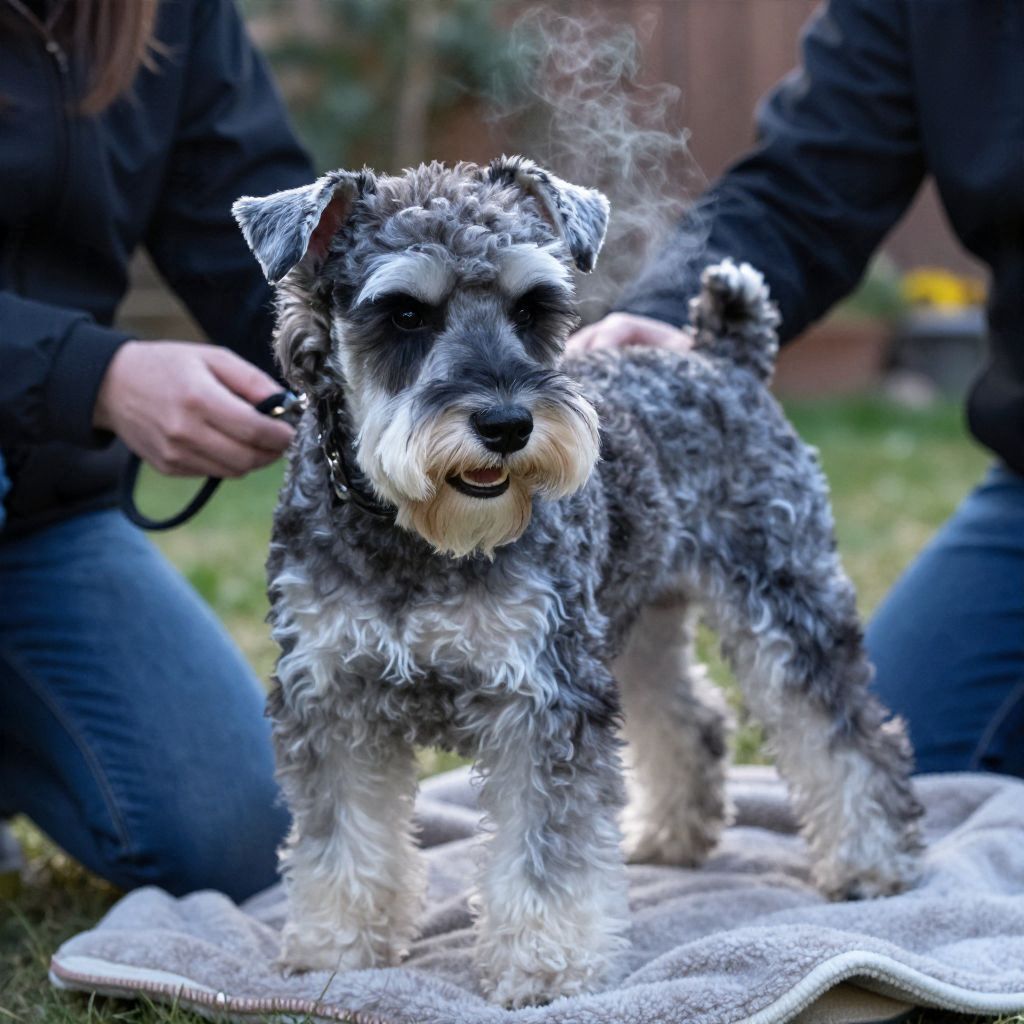
Dogs chatter their teeth for a few different reasons, and some are harmless while others need veterinary attention. The key is to look at what else is happening at the same time, such as drooling, pain, anxiety, or changes in appetite.
Occasional chattering may happen when a dog is excited, cold, or smelling something intense. But repeated, sudden, or painful-looking teeth chattering can point to dental disease, nausea, mouth pain, neurologic issues, or another medical problem.
Why do dogs chatter their teeth?
Dogs chatter their teeth when the jaw muscles contract quickly, often because of excitement, stress, cold, or oral discomfort. It can also happen with nausea, dental pain, or certain neurologic problems. If it is frequent, new, or paired with other symptoms, your dog should be checked by a veterinarian.
Common reasons dogs chatter their teeth
Excitement or anticipation
Some dogs chatter their teeth when they are highly aroused, such as before a walk, during play, or when they catch an interesting scent. In these cases, the behavior is usually brief and stops once the excitement passes.
You may notice it more in dogs that are especially scent-driven or expressive, but any dog can do it. If your dog otherwise seems happy, relaxed, and normal, this may simply be a quirky response to stimulation.
Cold temperature
Just like people, dogs may chatter their teeth when they are cold. This is more likely in thin-coated dogs, small dogs, seniors, puppies, or dogs with low body fat, but any dog can feel chilled in damp or windy weather.
If the chattering stops once your dog is warm and dry, cold may be the cause. Make sure your dog has appropriate shelter, dry bedding, and a coat if needed for the weather and their individual tolerance.
Stress, fear, or anxiety
Some dogs chatter their teeth when they are nervous, overwhelmed, or trying to cope with a stressful situation. This may happen at the vet, around unfamiliar dogs or people, during car rides, or in noisy environments.
Look for other signs such as tucked tail, lip licking, yawning, panting, trembling, or avoidance. If anxiety is a pattern, humane behavior support and gradual desensitization can help more than forcing the dog to “get over it.”
Dental pain or mouth discomfort
Teeth chattering can be a sign that something in the mouth hurts. Dental disease, a broken tooth, gum inflammation, oral sores, a stuck object, or pain from chewing can all trigger jaw movements.
Signs that suggest oral pain include bad breath, drooling, pawing at the mouth, dropping food, chewing on one side, bleeding gums, or reluctance to eat hard food. Dental problems are common and should not be ignored.
Nausea
Some dogs chatter their teeth when they feel nauseated. This may happen before vomiting, after swallowing something irritating, or with motion sickness, gastrointestinal upset, or other illness.
If your dog is also drooling, licking the lips, swallowing repeatedly, refusing food, or vomiting, nausea may be involved. Because nausea can come from many causes, it is best to let a veterinarian evaluate the underlying problem.
Neurologic or muscle-related issues
Less commonly, teeth chattering can be linked to a neurologic problem, tremor, seizure activity, or another issue affecting the jaw or facial muscles. These causes are more concerning when the behavior is new, frequent, or difficult to interrupt.
If your dog seems disoriented, has abnormal eye movements, collapses, has a head tilt, or shows weakness, seek veterinary care promptly. Neurologic signs should never be brushed off as “just a habit.”
Breed, age, and individual differences
Some dogs may be more likely to chatter their teeth because of body size, coat type, age, or temperament, but there is no single breed that always does this. Small dogs may get cold more easily, and older dogs may be more prone to dental disease, but individual health matters more than breed labels.
Puppies may also chatter if they are cold, excited, or teething, though persistent chattering still deserves attention. The important question is not what breed your dog is, but what other signs are happening alongside the behavior.
When teeth chattering is normal and when it is not
Brief, occasional chattering that happens during excitement, scent investigation, or cold weather can be harmless. It should stop quickly and not interfere with eating, drinking, or normal behavior.
It is more concerning if the chattering is new, frequent, prolonged, painful-looking, or paired with other symptoms. In those cases, treat it as a possible medical issue rather than a harmless habit.
Warning signs that need a vet visit
Schedule a veterinary exam if your dog’s teeth chattering happens often, seems to be getting worse, or is accompanied by any of the following:
- Drooling or excessive lip licking
- Bad breath or bleeding from the mouth
- Reluctance to eat, chew, or drink
- Pawing at the face or rubbing the mouth
- Vomiting, diarrhea, or loss of appetite
- Trembling, weakness, or unusual behavior
- Head tilt, imbalance, or disorientation
- Visible swelling, broken teeth, or oral wounds
Seek urgent veterinary care right away if your dog has trouble breathing, collapses, has a seizure, cannot close the mouth, has severe facial swelling, or may have swallowed something toxic or sharp.
What you can do at home first
If the chattering is brief and your dog otherwise seems normal, start by observing the situation and checking for obvious triggers. This can help you decide whether it is likely environmental, emotional, or medical.
- Note when it happens, how long it lasts, and what your dog was doing before it started.
- Check whether your dog is cold, wet, or exposed to wind.
- Look for signs of mouth pain, drooling, vomiting, or anxiety.
- Offer a calm, warm environment and avoid overstimulating your dog.
- Do not force chewing, rough play, or handling if your dog seems uncomfortable.
If the behavior resolves quickly and does not return, it may have been situational. If it repeats or you are unsure, contact your veterinarian for guidance.
How veterinarians may evaluate the problem
Your veterinarian will usually start with a physical exam and a careful look inside the mouth if your dog allows it. They may ask about timing, triggers, diet, recent changes, and whether your dog has had vomiting, drooling, or behavior changes.
Depending on the findings, your vet may recommend dental evaluation, pain assessment, bloodwork, imaging, or a neurologic exam. The goal is to find the cause rather than simply stopping the chattering itself.
How to prevent teeth chattering when possible
Prevention depends on the cause. You may not be able to stop every episode, but you can reduce common triggers and support your dog’s comfort.
- Keep your dog warm in cold or damp weather.
- Maintain regular dental care and veterinary dental checkups.
- Use gentle, reward-based training to reduce stress in predictable situations.
- Provide a calm space during fireworks, travel, or other stressful events.
- Monitor for nausea, appetite changes, or mouth pain early.
If your dog is prone to anxiety, gradual positive exposure and enrichment can help. If dental disease is present, professional treatment is usually needed before the chattering improves.
Common mistakes to avoid
It is easy to assume teeth chattering is “just excitement,” but that can delay care for a painful or serious problem. It is also a mistake to punish a dog for the behavior, since punishment does not address the cause and may increase fear.
Do not try to diagnose the issue from the behavior alone. A dog can chatter for harmless reasons one day and medical reasons the next, so changes in pattern matter.
What to remember
Dogs chatter their teeth for a range of reasons, from cold or excitement to dental pain, nausea, anxiety, or neurologic illness. Brief, occasional episodes may be harmless, but frequent or painful-looking chattering deserves veterinary attention.
If you notice other symptoms, especially drooling, vomiting, mouth pain, weakness, or behavior changes, contact your veterinarian promptly. For more related signs to watch for, you may also find why is my dog drooling? helpful, along with why does my dog lick his paws? if you are tracking other clues about your dog’s comfort.