
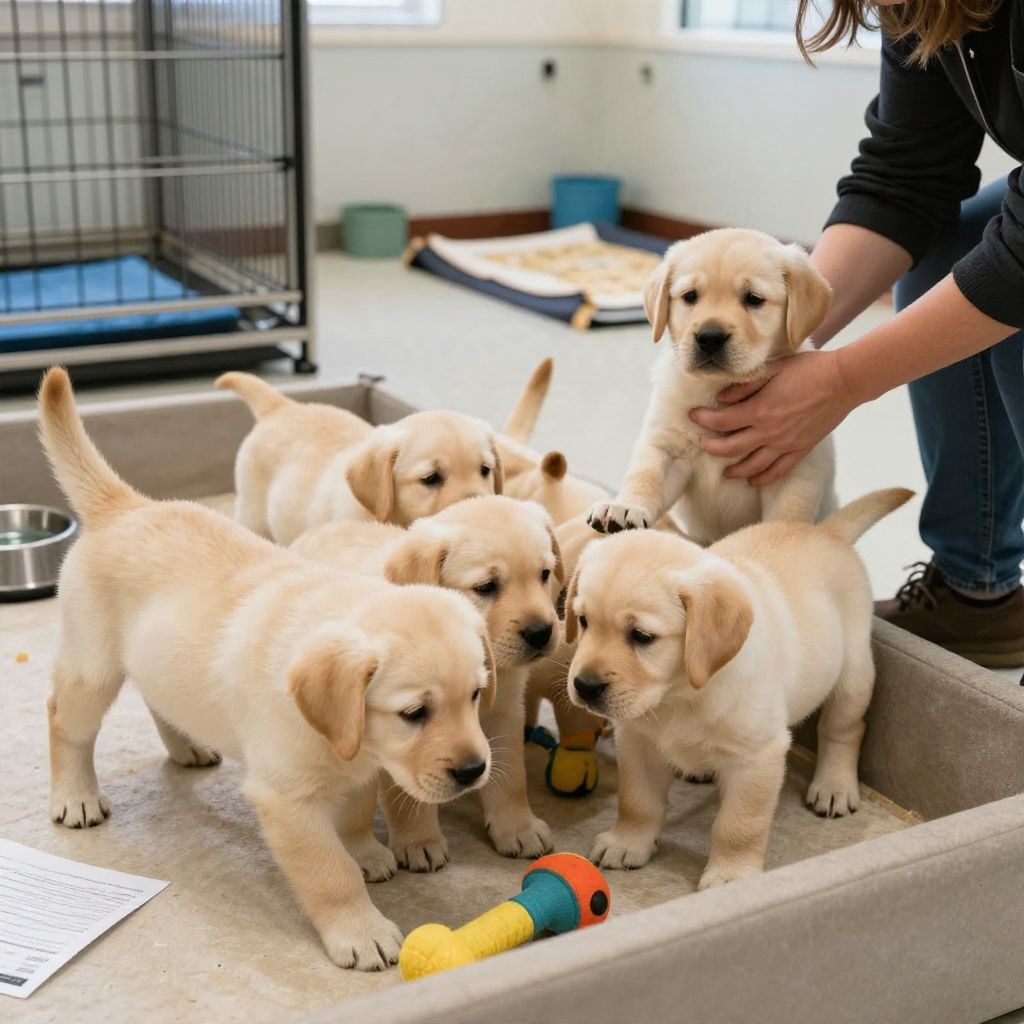
If you’re wondering where to look for puppies for sale, start with places that prioritize health, temperament, and responsible breeding or rehoming. The safest options are reputable breeders, breed-specific rescues, and trusted shelters with clear veterinary records.
Avoid rushing into online ads or impulse purchases. Take time to verify the puppy’s background, meet the mother when possible, and ask questions about health testing, socialization, and early care.
Where To Look For Puppies For Sale?
The best places to look for puppies for sale are responsible breeders, breed rescues, and reputable shelters. Focus on sellers who provide veterinary records, let you meet the puppy in a clean setting, answer questions openly, and never pressure you to buy quickly.
Best Places to Start Your Search
Not every source is equally safe or ethical. Your goal is to find a puppy from a place that supports good welfare and gives you enough information to make a careful choice.
Responsible breeders
A responsible breeder usually knows the breed well, raises puppies in a home-like environment, and screens breeding dogs for health and temperament concerns relevant to that breed or mix. They should welcome your questions and be willing to explain how they socialize puppies before adoption.
Look for signs such as:
- Clean living conditions and healthy-looking dogs
- Veterinary care records and age-appropriate vaccines or deworming
- Questions from the breeder about your home, schedule, and experience
- A contract, health guarantee, or return policy
- Willingness to show you the puppy’s mother, if available
Breed-specific rescues
Breed rescues can be a good option if you want a particular type of dog but are open to puppies or young dogs that need a new home. Many rescues provide foster-based information about behavior, energy level, and compatibility with children or other pets.
Animal shelters and humane societies
Shelters sometimes have puppies, especially mixed-breed litters or young strays. Adoption staff can often share what they know about the puppy’s health and behavior, though very young puppies may still need time before their personality and size are fully clear.
How to Tell a Good Source From a Risky One
Some sellers care more about profit than puppy welfare. A careful buyer looks for transparency, not just cute photos or a low price.
Green flags
- They answer questions clearly and do not avoid details
- They provide vaccination, deworming, and vet visit records
- They ask about your lifestyle and experience
- They do not offer many different breeds at once
- They allow you to see where the puppy was raised
Red flags
- Pressure to pay immediately
- Refusal to let you visit or ask questions
- No proof of veterinary care
- Puppies always “ready now” with no screening
- Multiple litters or many breeds advertised at once
- Vague answers about the puppy’s parents or history
If something feels rushed, secretive, or too easy, pause. A puppy is a long-term commitment, and a trustworthy source should expect you to take your time.
Questions to Ask Before You Buy or Adopt
Asking the right questions helps you avoid surprises and choose a puppy that fits your home. Good sellers should be comfortable discussing both strengths and limitations.
- How old is the puppy, and what care has it already received?
- Has the puppy seen a veterinarian?
- What vaccines, deworming, or parasite prevention has been given?
- Have the parents had any health screenings relevant to the breed or mix?
- How has the puppy been socialized so far?
- What is the puppy eating now?
- What kind of temperament do you see in this puppy?
- What support or return policy do you offer if problems arise?
If you are buying from a breeder, ask whether the puppy has been exposed to normal household sights and sounds in a safe way. Early positive experiences can help, but they do not guarantee future behavior.
How to Check the Puppy’s Health and Readiness
A puppy should look alert, clean, and age-appropriate for its developmental stage. You do not need to diagnose anything yourself, but you should watch for signs that suggest a vet check is needed.
Healthy signs
- Bright eyes and a responsive attitude
- Clean ears and coat
- Normal appetite and energy for age
- Regular stools without obvious ongoing diarrhea
- Known veterinary history
Warning signs
- Persistent coughing, sneezing, vomiting, or diarrhea
- Discharge from the eyes or nose
- Pot-bellied appearance, poor coat, or low energy
- Limping, pain, or trouble standing
- Extreme fearfulness or aggression without explanation
Urgent veterinary care is needed if a puppy has trouble breathing, collapses, has repeated vomiting, cannot keep water down, has seizures, or seems severely weak or unresponsive.
What Age Is Best to Bring a Puppy Home?
The right age depends on the puppy’s development and local laws, but very young puppies need time with their mother and littermates for early learning. A responsible source should not separate puppies too early.
When you evaluate timing, think about:
- Whether the puppy is eating solid food reliably
- Whether it has had basic veterinary care
- Whether it has had early social exposure in a safe, gradual way
- Whether your home is ready for house training and supervision
Some puppies adapt quickly, while others need more time and structure. Breed tendencies, individual temperament, and early experiences all matter.
How to Prepare Before You Bring a Puppy Home
Once you know where to look for puppies for sale, prepare your home before you commit. A prepared home reduces stress for both you and the puppy.
- Choose a veterinarian and schedule the first visit
- Buy food the puppy is already eating, if possible
- Set up a crate or safe confinement area
- Remove chew hazards, cords, and toxic items
- Have a collar, leash, ID tag, and secure carrier
- Plan for house training, supervision, and sleep routines
It also helps to plan who will handle feeding, potty breaks, and training. Puppies need consistency, especially in the first few weeks.
Common Mistakes to Avoid When Looking for Puppies
Many problems start before the puppy even comes home. Avoiding a few common mistakes can save you stress, money, and heartbreak.
Buying based only on appearance
Cute photos are not enough. A puppy’s future size, energy level, grooming needs, and training needs may be very different from what you expect.
Ignoring health and temperament
Health history and early behavior matter more than a low price. A puppy with unclear background may need more veterinary care or behavior support later.
Skipping the visit or video call
If possible, see the puppy in person. If distance makes that difficult, ask for a live video call and request documentation before sending money.
Not planning for the breed or mix
Some dogs may need more exercise, grooming, or mental enrichment than others. Typical breed tendencies can help guide your choice, but individual variation is normal.
How to Match the Puppy to Your Lifestyle
Choosing the right puppy is not just about finding one for sale. It is about finding one that fits your daily routine, home setup, and long-term plans.
- Activity level: Some puppies may grow into higher-energy dogs that need more exercise and training.
- Grooming needs: Coat type can affect brushing, bathing, and professional grooming needs.
- Space: Apartment living may require more planning for exercise and potty breaks.
- Household members: Children, seniors, and other pets all affect the best match.
- Time: Puppies need training, socialization, and supervision every day.
If you are unsure, ask a shelter, breeder, or trainer what kind of puppy may fit your routine. A thoughtful match is better than a fast one.
When to Get Professional Help
If you are unsure whether a seller is reputable, ask a veterinarian, experienced trainer, or rescue organization for guidance. This is especially helpful if the puppy has a medical concern, a fearful temperament, or a complicated background.
Get professional help promptly if the puppy shows ongoing house soiling, intense fear, repeated aggression, or signs of illness after adoption. Early support is often easier than trying to fix a problem later.
For more guidance on your search, you may also find how to find puppies for sale near me and where can I buy a dog useful as next steps.
The best answer to where to look for puppies for sale is simple: start with responsible, transparent sources that care about the puppy’s health and future. Ask questions, verify records, and choose the puppy that fits your home, not just the one that is easiest to buy.