
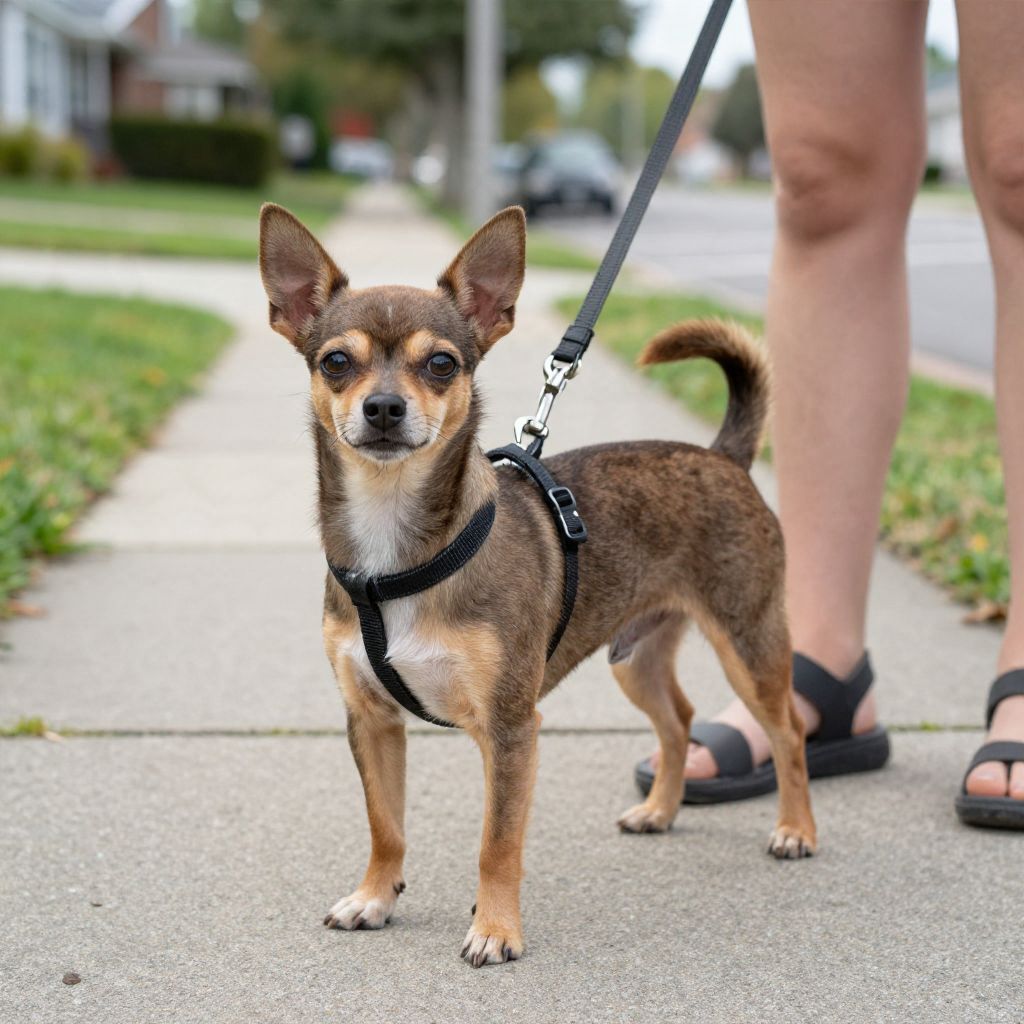
What is a Chiweenie? A Chiweenie is a mixed-breed dog, usually a Chihuahua and Dachshund cross. Because mixed-breed puppies can inherit traits from either parent, a Chiweenie’s size, coat, temperament, and care needs can vary quite a bit from dog to dog.
If you’re considering one, it helps to understand the breed mix, typical personality tendencies, and the health issues that can come with a small dog with a long back. Good care, training, and early vet guidance make a big difference.
What Is A Chiweenie?
A Chiweenie is a Chihuahua-Dachshund mix, often called a designer dog. Most are small companion dogs, but their appearance and behavior can differ depending on which parent traits they inherit. They are not a standardized breed, so there is no single guaranteed look, size, or personality.
What a Chiweenie Usually Looks Like
Chiweenies can vary widely. Some have a long body and short legs like a Dachshund, while others look more compact like a Chihuahua.
Common physical traits
- Small adult size, though exact size varies
- Short or medium-length coat
- Ear shape that may be upright, floppy, or mixed
- A body that may be long and low to the ground
- Coat colors and patterns that can differ a lot
Because they are mixed-breed dogs, you should expect variation rather than a fixed “breed standard.”
Typical Chiweenie Temperament
Many Chiweenies are alert, affectionate, and people-focused, but individual temperament depends on genetics, early socialization, and training. Some may be outgoing, while others are more cautious or vocal.
Behavior traits you may see
- Strong attachment to their family
- Alertness and a tendency to bark at new sounds
- Confidence in a small body, sometimes with a bold streak
- Possible wariness around strangers without early socialization
- Playfulness mixed with a need for routine
It’s important not to assume every Chiweenie will act the same. A dog’s early experiences, handling, and training history matter a great deal.
Are Chiweenies Good Family Dogs?
Many can fit well into a family, especially when children are taught to handle them gently. Because they are small, they can be easily injured by rough play, jumping, or being carried improperly.
They often do best in homes that can provide calm supervision, predictable routines, and respectful interaction. If you have young children, teach them not to chase, grab, or pick up the dog without help.
Best fit for this breed mix
- Adults or families committed to training
- Homes that can manage small-dog safety
- Owners who enjoy companionship and daily interaction
- People willing to work on barking and manners early
Chiweenie Health Concerns to Know
As with any mixed breed, a Chiweenie may inherit health risks from either parent breed. Not every dog will develop these problems, but it is wise to be aware of them.
Common areas of concern
- Back and spine strain, especially if the dog has a long back
- Dental disease, which is common in small dogs
- Patellar luxation, or kneecap issues
- Weight gain, which can stress joints and the spine
- Ear or skin issues depending on coat type and individual dog
Urgent veterinary care is needed if your dog suddenly cannot walk normally, cries out when picked up, drags limbs, has severe pain, collapses, or shows trouble breathing. These can be emergency signs.
How to protect a Chiweenie’s spine and joints
- Use ramps or steps for couches and beds
- Discourage jumping on and off furniture
- Pick up your dog with both hands and support the chest and hind end
- Keep your dog at a healthy weight
- Choose controlled exercise instead of repeated high-impact jumping
Training and Socialization Tips
Chiweenies often respond well to positive reinforcement, especially when training starts early. Reward-based methods help build trust and make learning safer and more effective than forceful approaches.
What to focus on first
- House training and a consistent potty schedule
- Coming when called in low-distraction settings
- Comfort with handling, harnesses, and gentle grooming
- Calm greetings with people and other dogs
- Quiet behavior around common household sounds
Early socialization matters, but it should be positive and gradual. Let your dog observe new people, places, and sounds at a comfortable pace rather than overwhelming them.
Helpful training habits
- Keep sessions short and frequent
- Use treats, praise, and play as rewards
- Practice in different safe environments
- Manage barking by preventing rehearsals of the behavior
- Ask a certified trainer if fear, reactivity, or separation distress is severe
Exercise and Mental Enrichment
Chiweenies usually need daily activity, but the amount depends on age, health, and energy level. Many enjoy short walks, indoor play, and scent games more than long intense outings.
Good exercise options
- Several short walks per day
- Fetch with soft toys in a safe area
- Sniffing games and food puzzles
- Basic trick training
- Gentle play sessions with supervision
Because of possible back sensitivity, avoid forcing repetitive jumping or rough play. If your dog seems tired, stiff, or reluctant to move, talk with your veterinarian.
Feeding a Chiweenie
A Chiweenie should eat a complete and balanced dog food appropriate for its age and size. Small dogs can be prone to weight gain, so portion control matters.
Feeding priorities
- Choose food labeled for your dog’s life stage
- Measure meals instead of free-feeding without limits
- Use treats sparingly during training
- Adjust portions if your dog gains or loses weight
- Ask your vet before changing diets for medical reasons
Do not rely on table scraps as a main diet. Some human foods are unsafe for dogs, and rich or fatty foods can upset digestion or contribute to pancreatitis in susceptible dogs.
Grooming and Routine Care
Grooming needs depend on coat type. A short coat may need only basic brushing, while a longer or denser coat may need more frequent care.
Routine care checklist
- Brush as needed to reduce shedding and tangles
- Trim nails regularly
- Clean ears gently if your vet recommends it
- Brush teeth often to help reduce dental disease
- Check skin, paws, and body for irritation or lumps
Small dogs often need dental care more often than owners expect. Ask your veterinarian about home brushing and professional dental cleanings when appropriate.
Common Mistakes New Chiweenie Owners Make
Many problems come from treating a small dog as if it needs less structure or training. Small dogs still need rules, exercise, and socialization.
- Allowing frequent jumping from furniture
- Skipping training because the dog is small
- Overfeeding treats and causing weight gain
- Ignoring barking until it becomes a habit
- Rough handling, especially with children
- Assuming the dog will “grow out of” fear or reactivity
When to See a Veterinarian or Trainer
Schedule a vet visit if you notice pain, limping, repeated vomiting, diarrhea that lasts, coughing, appetite loss, or sudden behavior changes. These can signal illness or discomfort.
Consider a certified positive-reinforcement trainer if your Chiweenie has persistent barking, house-training struggles, leash pulling, or fear-based behavior. If aggression or anxiety is severe, a veterinary behaviorist may be the best next step.
Is a Chiweenie the Right Dog for You?
A Chiweenie may be a good match if you want a small companion dog and are ready for training, routine care, and spine-safe management. The best fit is a home that can provide patience, supervision, and consistent positive guidance.
If you are still learning about small mixed breeds, you may also find it helpful to read about why some Chihuahuas seem aggressive and how to interpret small-dog behavior more accurately.
In short, a Chiweenie is a Chihuahua-Dachshund mix with a lot of individual variation. Focus on gentle handling, early training, healthy weight, and regular veterinary care to help your dog stay comfortable and well-behaved.