
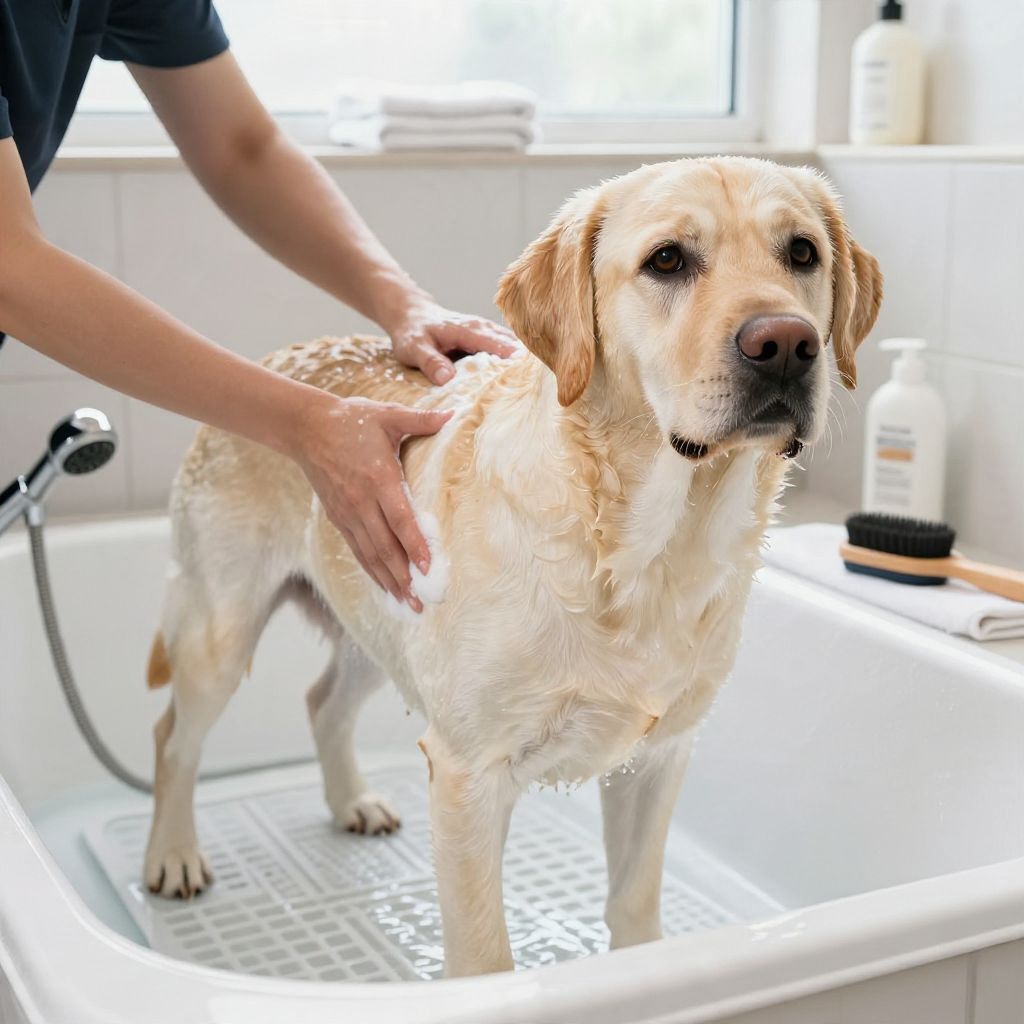
If you’re wondering how often can you bathe a dog, the short answer is: it depends on coat type, skin health, activity level, and the shampoo you use. Many dogs do well with bathing every few weeks to every few months, while some need more frequent rinsing or medicated baths.
Bathing too often can dry out skin, but waiting too long can leave dirt, odor, and allergens trapped in the coat. The best schedule is the one that keeps your dog clean without causing irritation.
How Often Can You Bathe A Dog?
Most dogs can be bathed about once every 4 to 8 weeks, but the right timing varies. Dogs with oily coats, allergies, skin disease, or a lot of outdoor exposure may need more frequent baths, while short-haired, low-odor dogs often need fewer. Always adjust for your dog’s skin, coat, and veterinarian’s advice.
What Affects How Often You Should Bathe Your Dog?
There is no single bathing schedule that fits every dog. A dog’s grooming needs depend on several practical factors, and the best routine is the one that matches your dog’s body and lifestyle.
- Coat type: Long, thick, curly, double, or oily coats may need different care than short, smooth coats.
- Skin condition: Dogs with dryness, itching, allergies, seborrhea, or infections may need a vet-guided bathing plan.
- Activity level: Dogs that swim, hike, roll in mud, or spend lots of time outdoors often need more washing.
- Age: Puppies, adults, and senior dogs may all need different handling and frequency.
- Health and temperament: Dogs with sensitive skin, arthritis, fear of bathing, or medical issues may need a gentler routine.
Typical Bathing Guidelines By Dog Type
These are general starting points, not strict rules. Your dog may need more or less frequent bathing depending on smell, skin comfort, and coat condition.
Short-haired, low-odor dogs
Many short-coated dogs can go several weeks or even longer between baths if they stay relatively clean. Brushing and spot-cleaning may be enough most of the time.
Long-haired or heavy-shedding dogs
These dogs may need more regular bathing and brushing to prevent tangles, trapped dirt, and buildup under the coat. Bathing alone is not enough if mats are forming.
Curly-coated or woolly-coated dogs
These coats often benefit from a consistent grooming routine because dirt and moisture can hide close to the skin. Regular brushing plus scheduled baths usually works better than waiting until the coat looks dirty.
Dogs that spend lots of time outdoors
If your dog swims, hikes, digs, or gets muddy often, you may need to bathe more frequently. Even then, use a gentle dog shampoo and avoid over-washing if the skin starts looking dry or flaky.
Puppies
Puppies usually do not need frequent full baths unless they get dirty. Keep baths brief, warm, and calm, and make sure the puppy is fully dry afterward to help prevent chilling.
Senior dogs
Older dogs may need bathing less often if their skin is dry or their mobility is limited. On the other hand, some seniors need more help staying clean if they have accidents, odor, or trouble grooming themselves.
Signs Your Dog May Need A Bath Sooner
Instead of following the calendar alone, watch your dog’s coat and skin. A bath may be helpful sooner if you notice:
- Visible dirt, mud, or sticky debris
- Noticeable odor that brushing does not fix
- Greasy or dull coat buildup
- Itchiness from environmental dirt or pollen
- Contact with something unpleasant or potentially irritating
If your dog suddenly smells much worse than usual, has red skin, hair loss, scabs, or intense itching, that may be more than a grooming issue. A veterinarian should check for allergies, infection, parasites, or another skin problem.
When Bathing Too Often Can Be A Problem
Bathing too frequently can strip natural oils from the coat and skin. That may lead to dryness, flaking, itching, or a dull appearance, especially if you use a harsh shampoo or hot water.
Common signs of over-bathing include:
- Dry, flaky skin
- Itchy or irritated skin after bathing
- Coat that feels brittle or looks dull
- More scratching than usual
If this happens, reduce bathing frequency and switch to a mild dog shampoo. If the problem continues, ask your veterinarian whether a skin condition is contributing.
How To Bathe Your Dog Safely
A good bath should clean your dog without stressing them out or irritating the skin. Keep the process calm and simple.
- Brush first to remove loose hair, tangles, and debris.
- Use lukewarm water rather than hot or cold water.
- Choose a dog shampoo made for canine skin, not human shampoo.
- Wet the coat thoroughly so shampoo spreads evenly.
- Massage gently and avoid getting soap in the eyes, ears, or mouth.
- Rinse very well to remove all residue.
- Dry completely with a towel, and use a dryer only if your dog tolerates it safely on a low, cool setting.
For dogs that dislike baths, short sessions, treats, and calm handling usually work better than forcing the issue. A positive routine can make future baths much easier.
What Shampoo Should You Use?
Use a shampoo designed for dogs. Human shampoos can be too harsh for canine skin and may worsen dryness or irritation.
If your dog has a skin condition, your veterinarian may recommend a medicated shampoo or a specific bathing schedule. Follow those instructions closely, because the product and timing matter for skin health.
Do not use essential oils, harsh fragranced products, or home mixtures unless your veterinarian says they are safe for your dog. Some products can irritate skin or be unsafe if licked.
How To Tell Whether Your Dog Needs More Than A Bath
Bathing helps with dirt and odor, but it does not solve every skin or coat problem. You should contact a veterinarian if your dog has:
- Persistent itching
- Red, inflamed, or painful skin
- Hair loss or patchy thinning
- Repeated ear problems
- Bad odor that returns quickly after bathing
- Open sores, crusts, or discharge
These signs can point to allergies, infection, parasites, hormonal disease, or another issue that needs medical care. Bathing alone may delay the right treatment if the underlying cause is not addressed.
Common Mistakes To Avoid
Even a simple bath can go wrong if the routine is rushed. Avoid these common mistakes:
- Bathing too often “just in case”
- Using human shampoo or dish soap
- Leaving shampoo residue on the skin
- Skipping brushing before the bath
- Bathing a matted coat without addressing tangles first
- Using very hot water
- Ignoring ear protection and drying the ears poorly after the bath
If your dog has severe mats, do not try to pull them out aggressively. Mats can hurt and may hide skin irritation underneath. A groomer or veterinarian can advise on the safest way to handle them.
How Often Can You Bathe A Dog With Skin Problems?
If your dog has allergies, recurrent skin infections, seborrhea, or another dermatologic issue, the bathing schedule may be very different from that of a healthy dog. Some dogs need frequent medicated baths, while others need less washing to avoid worsening dryness.
Because skin conditions vary widely, it is best to follow your veterinarian’s instructions rather than guessing. The right shampoo, contact time, and frequency can make a real difference in comfort and recovery.
How To Keep Your Dog Clean Between Baths
You do not need to rely on full baths alone. Simple maintenance can stretch the time between washes and keep your dog comfortable.
- Brush regularly to remove dirt and loose hair
- Wipe paws after walks
- Clean the face and under the tail as needed
- Use pet-safe grooming wipes for small messes
- Wash bedding often to reduce odor transfer
These habits are especially useful for dogs that get dirty quickly or dislike bathing. They also help you notice skin changes earlier.
When To Ask A Professional For Help
Contact a veterinarian if you are unsure how often you can bathe a dog with a specific skin or coat issue. You should also ask for help if bathing is becoming stressful, if your dog is painful to handle, or if the coat is heavily matted.
A professional groomer can help with coat maintenance, while a veterinarian can rule out medical causes of odor, itching, or skin changes. If your dog is fearful of bathing, a reward-based trainer can help you build a calmer routine without force or punishment.
Bottom Line
How often can you bathe a dog? For many dogs, every 4 to 8 weeks is a reasonable starting point, but the best schedule depends on coat type, lifestyle, and skin health. Watch your dog’s skin and coat, use gentle dog-safe products, and adjust the routine when needed.
If you want more grooming guidance, you may also find how often should you wash your dog and how often should you give your dog a bath helpful for planning a safe, practical care routine.