
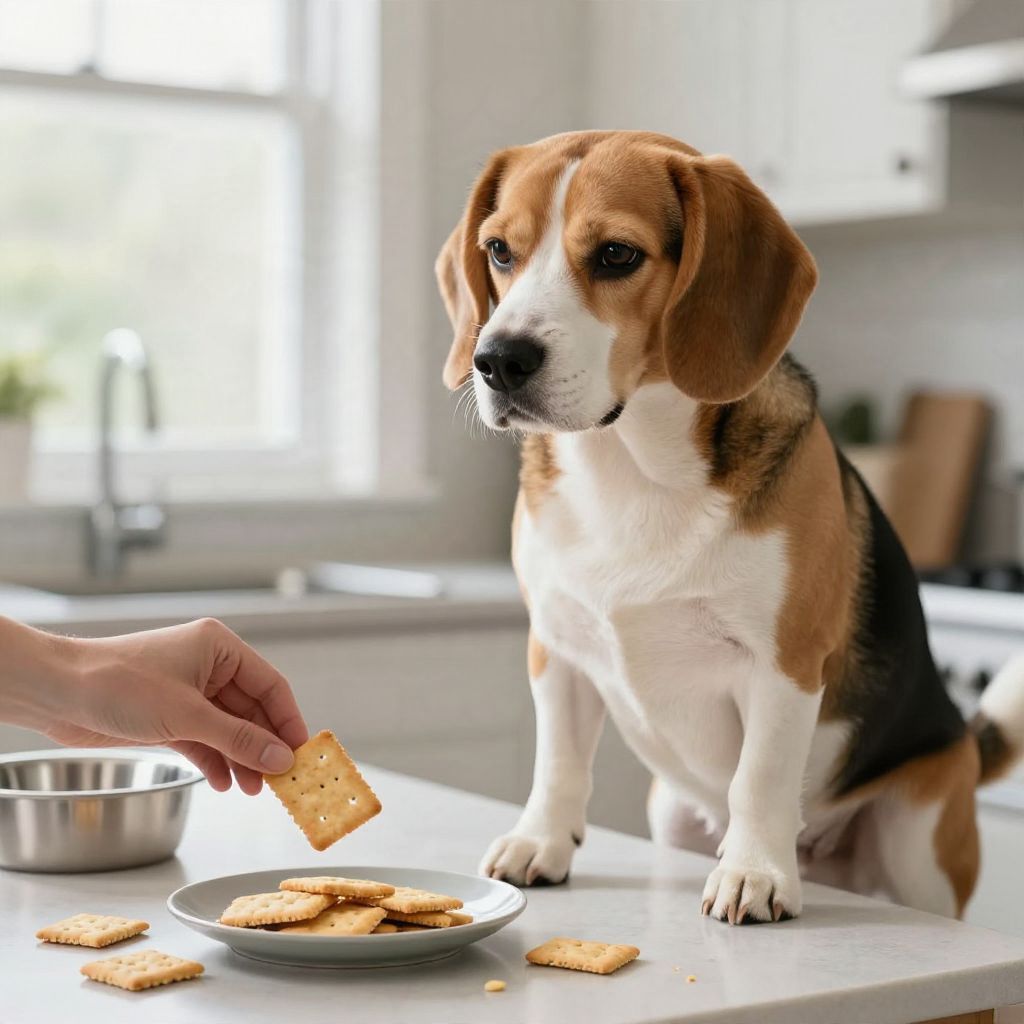
Can dogs have saltine crackers? In small amounts, plain saltines are usually not toxic to dogs, but they are not a healthy snack. They are high in refined flour and salt, so too many can upset your dog’s stomach or add unnecessary sodium.
If your dog ate one or two plain crackers, they will often be fine. If your dog ate a lot, or if the crackers were flavored, salted heavily, or topped with anything unsafe, it is worth checking with your veterinarian.
Can dogs have saltine crackers?
Yes, dogs can usually eat a small amount of plain saltine crackers without immediate harm, but they should only be an occasional treat. Saltines offer little nutrition and can be a problem for dogs that need low-sodium diets, have sensitive stomachs, or are prone to overeating salty foods.
Why saltine crackers are not ideal for dogs
Saltine crackers are made for people, not dogs. Even though they are simple, they are still processed snack food with ingredients that do not support a balanced canine diet.
Common concerns
- Salt content: Too much sodium can make some dogs thirsty and may lead to stomach upset.
- Refined carbohydrates: Crackers add calories without much nutritional value.
- Seasonings or toppings: Extra ingredients can be the bigger risk than the cracker itself.
- Portion creep: Small treats can add up quickly, especially for small dogs.
When a saltine cracker is probably okay
A plain, unsalted or lightly salted saltine cracker is usually not a concern if your dog accidentally gets a small piece or one whole cracker. This is more likely to be tolerated by a healthy adult dog than by a puppy, a toy breed, or a dog with a medical condition.
More likely to be okay if your dog is
- Healthy and adult
- Only eating a tiny amount
- Not on a sodium-restricted diet
- Not sensitive to rich or processed foods
When saltine crackers can be risky
The main issue is not usually the cracker alone, but the amount and what else is on it. Some dogs are more vulnerable to salt, extra calories, or added ingredients than others.
Higher-risk situations
- Your dog ate several crackers or an entire sleeve
- The crackers were seasoned, buttery, or topped with cheese, onion, garlic, or spreads
- Your dog has kidney disease, heart disease, high blood pressure, or another condition that requires sodium control
- Your dog is a puppy, very small, elderly, or prone to digestive upset
- Your dog has a history of pancreatitis or food intolerance
What symptoms to watch for after eating saltine crackers
Most dogs that eat a small amount will have no symptoms. If your dog ate a lot, watch for signs of stomach upset or excessive salt intake, especially over the next several hours.
Possible mild signs
- Increased thirst
- Soft stool or diarrhea
- Vomiting
- Temporary bloating or gassiness
Red-flag signs that need urgent veterinary care
- Repeated vomiting
- Severe diarrhea
- Marked lethargy or weakness
- Wobbliness, tremors, or unusual behavior
- Seizures
- Collapse
- Trouble breathing
If any of these emergency signs appear, contact a veterinarian or emergency clinic right away. Do not wait to see if the dog “gets over it.”
What to do if your dog ate saltine crackers
If your dog ate plain saltine crackers, the next step depends on how much was eaten and whether anything else was on them. Stay calm and check the package if possible.
- Estimate how many crackers were eaten.
- Check whether they were plain or flavored.
- Look for toppings such as butter, peanut butter, cheese, onion, garlic, or deli meats.
- Monitor your dog for vomiting, diarrhea, thirst, or unusual behavior.
- Call your veterinarian if your dog ate a large amount or has a health condition that makes sodium a concern.
Do not try to make your dog vomit unless a veterinarian specifically tells you to do so. That can be unsafe in many situations.
Are saltine crackers ever useful for dogs?
Saltine crackers are not a good regular treat, but they can occasionally be used in a pinch if you have nothing else available and your dog only gets a very small amount. Even then, there are better options for training, rewarding, or settling an upset stomach plan recommended by your veterinarian.
Better treat choices
- Small pieces of plain cooked chicken
- Dog training treats with simple ingredients
- Small bits of dog-safe vegetables, if your dog tolerates them
- Your dog’s regular kibble used as rewards
If you are using treats frequently, keep them to a small part of your dog’s daily calories so you do not crowd out balanced meals.
Special considerations for puppies, small dogs, and senior dogs
Body size, age, and health history matter. A cracker that seems minor for a large healthy dog may be more irritating for a tiny dog or a puppy with a delicate digestive system.
Puppies
Puppies are more likely to get stomach upset from new foods. They also need nutrient-dense food to support growth, so salty human snacks are a poor choice.
Small dogs
Small dogs can be affected by a larger relative amount of sodium and calories because they weigh less. Even a few crackers may matter more for them than for a bigger dog.
Senior dogs
Older dogs are more likely to have kidney, heart, or metabolic issues that make salty snacks less appropriate. If your senior dog has a medical diet, ask your veterinarian before offering human food.
Ingredients in saltines that can be a bigger problem than the cracker
Plain saltines are one thing. Saltines with toppings or mixed into snacks are another. Some common add-ons are unsafe for dogs.
- Onion or garlic: Can be harmful to dogs.
- Cheese spreads: May be too rich and can trigger stomach upset in some dogs.
- Butter or oily toppings: Can be hard on the digestive system.
- Chocolate or sweet spreads: Never safe for dogs if they contain toxic ingredients.
- Large amounts of salt: Raises the risk of sodium-related illness.
How to prevent problems with human snacks
If your dog likes to beg at the table, prevention helps more than correction. Keep snacks out of reach and make sure everyone in the home knows what your dog can and cannot eat.
- Store crackers and pantry snacks securely.
- Do not reward begging with human food.
- Offer dog-safe treats instead of sharing from your plate.
- Use a consistent cue such as “leave it” or “place” during mealtimes.
- Teach visitors not to feed your dog without asking.
When to call your veterinarian
Contact your veterinarian if your dog ate a large amount of saltine crackers, has a medical condition, or develops symptoms after eating them. A quick call is especially important if your dog is on a prescription diet or has been told to avoid sodium.
Seek urgent help immediately if your dog has repeated vomiting, tremors, weakness, severe diarrhea, seizures, collapse, or breathing trouble. Those signs are not normal and should be treated as an emergency.
Bottom line
Can dogs have saltine crackers? In tiny amounts, plain saltines are usually not dangerous, but they are not a healthy or necessary treat. If your dog ate a small piece, monitor them. If they ate a lot, or if the crackers had risky toppings, call your veterinarian for advice.
If you want to compare other human snacks for dogs, you may also find this guide on saltine crackers for dogs and this article on biscuits for dogs helpful.