
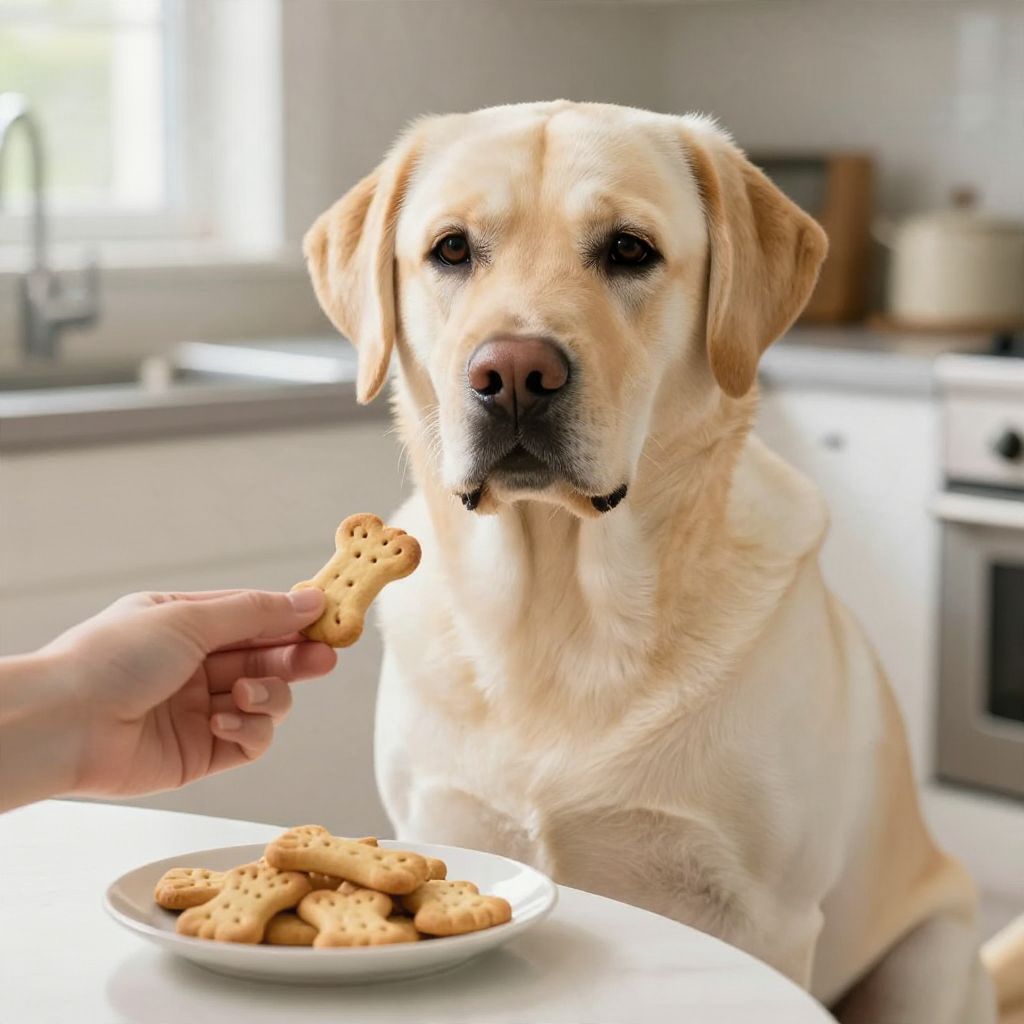
If you’re wondering, can dogs eat biscuits, the answer depends on the type of biscuit and how much your dog eats. Plain, unsweetened biscuits may be okay as an occasional treat, but many human biscuits contain sugar, salt, butter, chocolate, raisins, or artificial sweeteners that can be harmful.
For most dogs, biscuits should never replace a balanced diet. The safest approach is to check the ingredients first, offer only a tiny amount if the biscuit is plain, and avoid them entirely if your dog has a sensitive stomach, pancreatitis, diabetes, obesity, or food allergies.
Can Dogs Eat Biscuits?
Yes, some plain biscuits are safe for dogs in small amounts, but many human biscuits are not a good choice. Biscuits with chocolate, raisins, xylitol, heavy sugar, lots of salt, or rich fats can cause digestive upset or more serious health problems, so ingredient checks matter.
Which Biscuits Are Safer for Dogs?
The safest biscuits are simple, plain, and low in added ingredients. Even then, they should be an occasional treat rather than a regular snack.
Usually safer options
- Plain, unsalted biscuits with no chocolate or icing
- Simple crackers made without onion, garlic, or sweeteners
- Dog biscuits made specifically for pets
Biscuits to avoid
- Chocolate-coated or chocolate-filled biscuits
- Biscuits with raisins, currants, or sultanas
- Biscuits containing xylitol or other sugar substitutes
- Very buttery, creamy, or heavily frosted biscuits
- High-salt biscuits or savory biscuits with onion or garlic seasoning
If you are unsure about a packaged biscuit, read the ingredient list carefully. When in doubt, choose a dog-specific treat instead of guessing.
Why Human Biscuits Can Be a Problem
Biscuits made for people often contain ingredients that dogs do not tolerate well. Some are simply too rich, while others can be genuinely dangerous.
Common risks
- Stomach upset: Fatty, sugary, or heavily processed biscuits can cause vomiting or diarrhea.
- Weight gain: Frequent biscuit feeding adds extra calories quickly.
- Pancreatitis risk: Rich foods may be especially problematic for dogs prone to digestive disease.
- Toxic ingredients: Chocolate and xylitol are emergencies, and raisins can also be dangerous.
- Salt overload: Very salty snacks are not appropriate for dogs, especially those with heart or kidney concerns.
Some dogs tolerate a small plain biscuit without trouble, while others develop loose stool after just a little. Your dog’s age, health, and typical diet all affect how well they handle human food.
How Much Biscuit Can a Dog Have?
There is no universal “safe” amount for every dog. A tiny piece may be fine for a healthy dog, but even a small biscuit can be too much for a puppy, a toy breed, or a dog with medical issues.
A practical rule is to keep treats, including biscuits, to a small part of your dog’s daily calories. If biscuits are given often, reduce other treats rather than adding extra food on top of meals.
Use extra caution if your dog is:
- A puppy with a developing digestive system
- Overweight or prone to weight gain
- Diabetic or on a special diet
- Prone to pancreatitis or chronic digestive upset
- Allergic or sensitive to wheat, dairy, eggs, or other common ingredients
Signs Your Dog Didn’t Tolerate a Biscuit Well
After eating a biscuit, mild stomach upset may show up as soft stool, gas, or a single vomit episode. More serious signs need veterinary advice.
Call your vet if you notice:
- Repeated vomiting or diarrhea
- Refusal to eat
- Marked lethargy or weakness
- Abdominal pain, bloating, or a tense belly
- Itching, facial swelling, or hives
Seek urgent veterinary care immediately if your dog ate a biscuit containing chocolate, xylitol, raisins, or another known toxin, or if your dog is having trouble breathing, collapsing, or showing severe bloating. Do not wait for symptoms to worsen.
What About Puppies, Senior Dogs, and Dogs With Health Conditions?
Age and health status matter a lot. A biscuit that is harmless for one adult dog may be a poor choice for another dog with a more delicate system.
Puppies
Puppies have smaller stomachs and can be more sensitive to rich foods. Keep treats minimal and focus on a complete puppy diet plus training rewards that are easy to digest.
Senior dogs
Older dogs may have dental disease, slower digestion, or conditions such as kidney disease, diabetes, or arthritis. A crunchy biscuit may be fine for some seniors, but others need softer, lower-salt options.
Dogs with medical needs
If your dog has pancreatitis, food allergies, diabetes, kidney disease, or a history of obesity, ask your veterinarian before offering any human biscuit. In many cases, a vet-approved treat is the better choice.
How to Offer Biscuits More Safely
If you decide to give your dog a plain biscuit, keep it simple and controlled. The goal is to reduce risk, not turn biscuits into a routine snack.
- Check the ingredient list for chocolate, raisins, xylitol, onion, garlic, and high salt.
- Choose a plain biscuit with minimal added sugar and fat.
- Break it into a small piece, especially for small dogs.
- Offer only one small amount at first and watch for stomach upset.
- Use biscuits as an occasional treat, not a daily habit.
If your dog tends to gulp treats, break the biscuit into smaller pieces to reduce choking risk. This is especially helpful for small breeds, brachycephalic dogs, and dogs that get very excited around food.
Better Alternatives to Human Biscuits
For most dogs, healthier treat choices are easier to control than human biscuits. You can still reward your dog without relying on processed snacks.
- Commercial dog treats with clear ingredient labels
- Small pieces of cooked plain chicken or turkey
- Dog-safe vegetables such as carrot or green bean pieces
- Vet-approved dental chews, if appropriate for your dog
Remember that treats should support training and bonding, not become a major part of the diet. If your dog is already eating a complete food, extra snacks should stay limited.
Common Mistakes Dog Owners Make
Most biscuit-related problems happen because the biscuit seems harmless at first glance. A few simple mistakes can turn a small treat into a bigger issue.
- Assuming all plain-looking biscuits are safe
- Forgetting that icing, fillings, and coatings can hide risky ingredients
- Giving biscuits too often because the dog “seems fine”
- Using biscuits to soothe begging instead of managing the behavior
- Ignoring ingredient labels on flavored or specialty biscuits
If your dog begs for human food, it helps to keep biscuits out of reach and reward calm behavior with dog-safe treats instead. Consistency is usually more effective than giving in occasionally.
When to Ask Your Veterinarian
Contact your veterinarian if you are not sure whether a biscuit was safe, especially if your dog has eaten a large amount or has a health condition. A quick call can help you decide whether monitoring at home is enough or whether your dog needs an examination.
You should also ask for guidance if your dog regularly gets human snacks, has recurring stomach upset, or needs a treat plan that fits a medical diet. Your vet can help you choose safer options based on your dog’s individual needs.
Bottom Line
Dogs can eat some plain biscuits in very small amounts, but many human biscuits are unsafe or unhealthy. Check ingredients, keep portions tiny, and avoid biscuits with chocolate, raisins, xylitol, or heavy sugar and salt. When in doubt, choose a dog-safe treat instead.
If you want to compare similar snack questions, you may also find these helpful: can dogs eat biscuts and can dogs eat saltine crackers.