
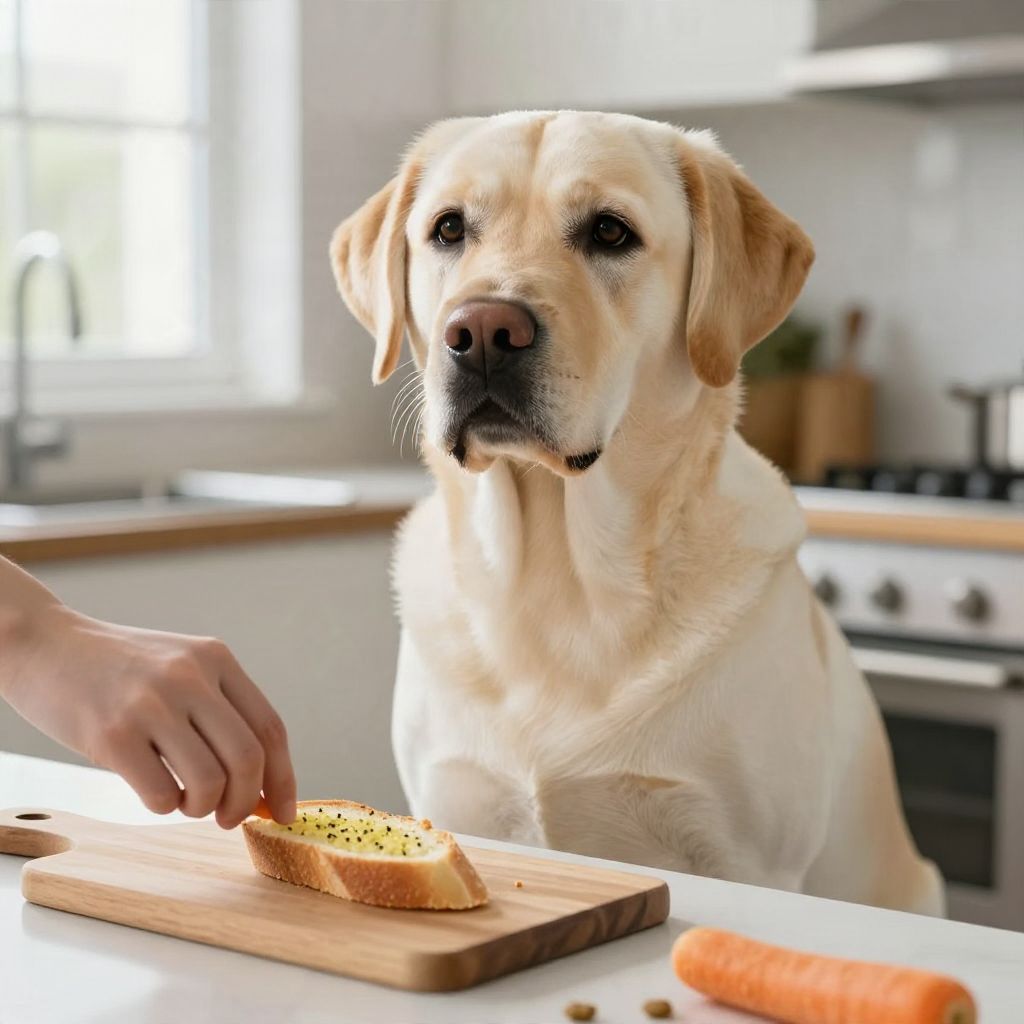
Can dogs have garlic bread? In general, no—garlic bread is not a safe dog treat. Garlic can irritate the stomach, and enough of it may damage red blood cells in dogs. The butter, salt, and seasonings on garlic bread can also upset your dog’s digestion.
If your dog ate a small bite, they may be okay, but it depends on how much garlic was used, your dog’s size, and whether the bread also contained onions or other risky ingredients. When in doubt, call your veterinarian for advice.
Can dogs have garlic bread?
Dogs should not eat garlic bread as a regular snack, and it is best to avoid giving it altogether. Garlic is a known problem ingredient for dogs, and garlic bread often also contains butter, oil, salt, and sometimes onion, all of which can make a dog sick. If your dog ate some, monitor closely and contact your vet if you are unsure.
Why garlic bread is risky for dogs
Garlic bread is not just plain bread. It usually includes garlic, fat, salt, and seasonings that can be hard on a dog’s digestive system. Even if one ingredient seems harmless on its own, the combination can create avoidable risk.
Garlic can be toxic
Garlic belongs to the allium family, which can damage a dog’s red blood cells in enough quantity. That can lead to anemia, which may not show up right away. The risk is higher if your dog ate a large amount, or if they are small, young, older, or already dealing with health issues.
Butter, oil, and salt can cause problems too
Garlic bread is often rich and salty. Too much fat can trigger vomiting, diarrhea, or more serious digestive upset, and in some dogs it may contribute to pancreatitis. Very salty foods can also be a problem, especially for dogs with heart, kidney, or blood pressure concerns.
Onion or seasoning mixes make it worse
Some garlic bread recipes include onion powder, onion salt, parsley blends, or other seasonings. Onion is also unsafe for dogs, and seasoning mixes may contain ingredients that are not appropriate for pets.
What happens if a dog eats garlic bread?
What happens depends on how much was eaten, how concentrated the garlic was, and your dog’s individual sensitivity. A small nibble may only cause mild stomach upset, while a larger amount can lead to more serious illness.
Common signs to watch for
- Vomiting
- Diarrhea
- Drooling
- Reduced appetite
- Lethargy or seeming unusually tired
- Pale gums
- Weakness
- Fast breathing or panting
- Dark urine
Signs that need urgent veterinary care
Seek urgent help right away if your dog has trouble breathing, collapses, seems very weak, has repeated vomiting, cannot keep water down, has pale or white gums, or you notice dark or red-brown urine. These can be signs of a serious reaction or anemia and should not be watched at home.
What to do if your dog ate garlic bread
Stay calm and assess what happened. The amount eaten, the recipe, and your dog’s size all matter, so details help your veterinarian give the right advice.
- Take the garlic bread away so your dog cannot eat more.
- Check the ingredients if you can, especially for garlic, onion, and extra seasonings.
- Estimate how much your dog ate and when it happened.
- Call your veterinarian or a pet poison helpline for guidance.
- Watch for vomiting, diarrhea, lethargy, or any unusual behavior over the next day or two.
Do not try to make your dog vomit unless a veterinarian specifically tells you to do so. Home remedies can make the situation worse, especially if your dog is already nauseated or at risk of aspiration.
Does the risk depend on your dog?
Yes. The same food can affect dogs differently based on body size, age, health, and how much was eaten. That is why there is no one-size-fits-all answer for every dog.
Small dogs may be affected more easily
A small dog can be impacted by a smaller amount of garlic bread than a larger dog because the food represents a bigger portion of their body weight. Even a few bites may matter more for a toy breed or small mixed-breed dog.
Puppies and senior dogs may be more vulnerable
Puppies have smaller bodies and developing digestive systems, so they may become sick more quickly. Senior dogs may also have less reserve if they already live with kidney, liver, heart, or digestive issues.
Dogs with medical conditions need extra caution
If your dog has a history of pancreatitis, gastrointestinal sensitivity, anemia, or chronic disease, rich or salty foods can be especially risky. Your veterinarian can help you judge whether even a small exposure needs follow-up.
Is plain bread safer than garlic bread?
Plain bread is generally less risky than garlic bread, but it is still not a necessary dog food. A small piece of plain bread is usually not dangerous for many healthy dogs, but it should not become a habit or replace balanced nutrition.
Even plain bread can be a problem if your dog has a sensitive stomach, diabetes, weight issues, or food allergies. Bread with raisins, onions, garlic, xylitol, or heavy seasoning is a different story and should be avoided.
Safer alternatives if you want to share a treat
If you want to give your dog something special, choose a dog-safe option instead of garlic bread. The best treats are simple, low in salt and fat, and served in small amounts.
- Small pieces of plain cooked chicken
- Plain cooked pumpkin
- Small bits of carrot
- Blueberries
- Commercial dog treats made for your dog’s size and diet
Any treat should fit within your dog’s daily calorie needs. Treats are best kept to a small part of the diet so they do not crowd out complete and balanced dog food.
How to prevent accidental garlic bread exposure
Prevention matters because dogs are often quick to grab food left within reach. Many incidents happen during meals, parties, or when food is left on counters or low tables.
- Keep garlic bread and leftovers out of reach.
- Do not offer “just a bite” from your plate.
- Teach a reliable leave it cue using reward-based training.
- Use secure trash cans and clean up crumbs promptly.
- Tell guests not to feed your dog table food.
When to call the vet after your dog eats garlic bread
Call your veterinarian if your dog ate more than a tiny bite, if the bread contained onion, or if your dog has any health condition that could make food-related illness more serious. If your dog is showing symptoms, do not wait for them to “pass it.”
It is especially important to get professional advice if you are unsure how much garlic was in the bread, because homemade recipes and restaurant portions can vary a lot. Your vet can help you decide whether monitoring at home is reasonable or whether your dog needs an exam.
Bottom line
Can dogs have garlic bread? It is best not to feed it. Garlic bread is not a safe or healthy dog snack because of the garlic, fat, salt, and possible onion or seasoning ingredients. If your dog ate some, contact your veterinarian promptly if the amount was more than a tiny taste or if any symptoms appear.
If you want to learn more, you may also find these related guides helpful: can dogs eat garlic bread and how much garlic is toxic to dogs.