
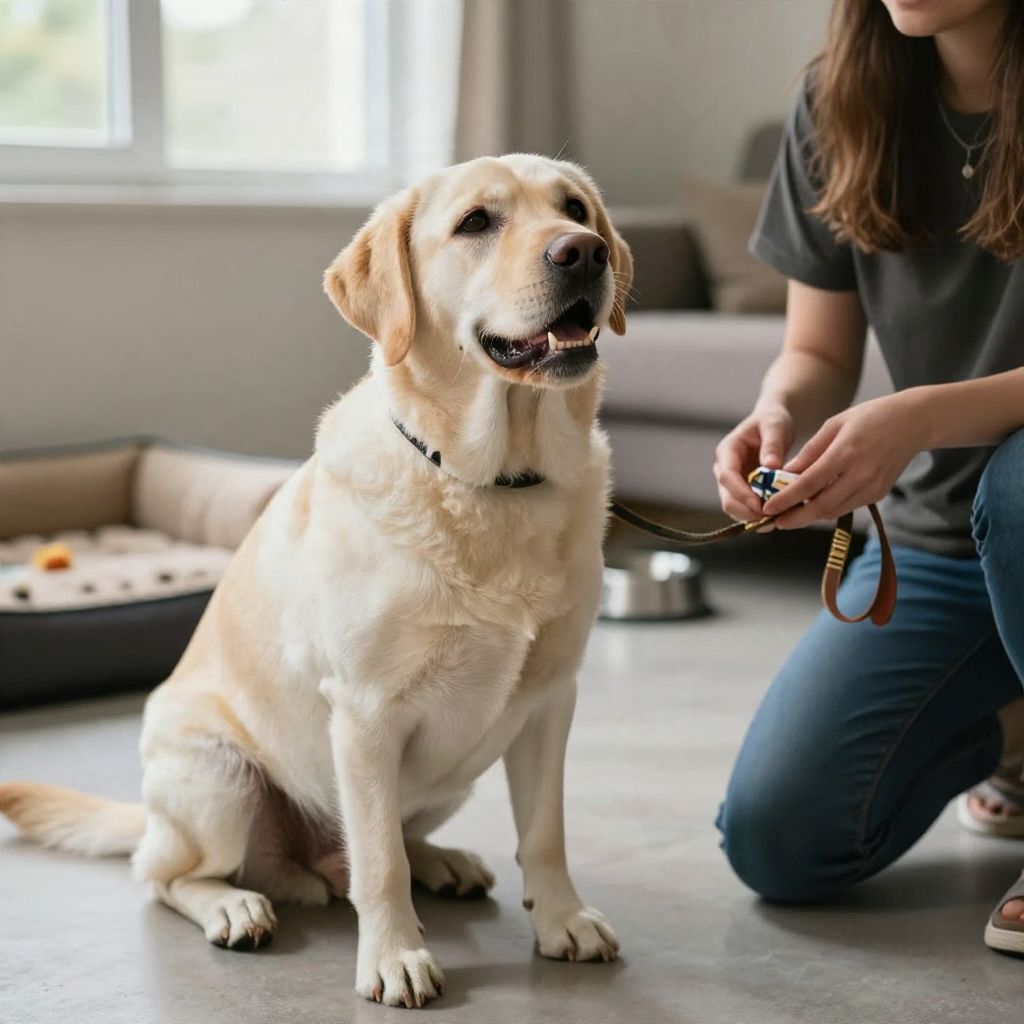
If you keep asking, “Why is my dog whining so much,” the answer is usually that your dog is trying to communicate a need, discomfort, or stress. Whining can be normal in some situations, but frequent or sudden whining deserves attention.
The cause may be simple, like excitement or boredom, or it may point to pain, anxiety, hunger, a bathroom need, or a medical problem. The best next step is to look for patterns, check for warning signs, and respond without reinforcing the whining itself.
Why is my dog whining so much?
Dogs whine to communicate, and the reason can range from excitement and attention-seeking to pain, fear, or illness. If the whining is new, intense, or paired with other symptoms, treat it as a clue that something has changed and consider a veterinary checkup.
Common reasons dogs whine
They want something
Many dogs whine because they want food, a toy, a walk, access to you, or a door opened. If the whining reliably happens right before meals or outings, your dog may have learned that vocalizing gets results.
This is common in dogs with a strong history of reinforcement for vocal behavior, but it does not mean your dog is being “stubborn.” It means the behavior has worked before.
They are excited or overstimulated
Some dogs whine when they anticipate something enjoyable, such as greeting you, going for a car ride, or seeing other dogs. Excitement whining often comes with pacing, tail wagging, jumping, or trouble settling.
In puppies and younger dogs, this can be especially common because impulse control is still developing.
They are anxious, stressed, or afraid
Whining can be a stress signal during thunderstorms, fireworks, vet visits, crate time, separation from you, or unfamiliar social situations. Some dogs also whine when they are unsure how to handle a new environment.
Look for other signs such as trembling, panting, hiding, lip licking, yawning, or clinginess. These clues help distinguish anxiety from simple attention-seeking.
They need to go outside
A dog may whine because they need to urinate or defecate. This is especially likely in puppies, senior dogs, and dogs with urinary or digestive issues.
If the whining happens near the door, after drinking, or at night, a bathroom need may be part of the problem.
They are in pain or feeling unwell
Whining can be one of the first signs of discomfort. Dogs may vocalize with ear infections, dental pain, stomach upset, arthritis, injuries, urinary problems, or other medical concerns.
Because dogs often hide pain, a sudden increase in whining should never be dismissed if your dog also seems restless, less active, or sensitive to touch.
They are bored or under-stimulated
Dogs that do not get enough physical exercise, mental enrichment, or social interaction may whine from frustration. This is common in energetic dogs, working breeds, and dogs left alone for long periods, though any dog can become bored.
Boredom whining may improve when your dog gets more structured activity, sniffing opportunities, training, and safe chew or puzzle outlets.
They are aging or cognitively changing
Older dogs may whine more because of pain, hearing or vision loss, confusion, or canine cognitive dysfunction. Nighttime whining in senior dogs can sometimes reflect disorientation or discomfort.
If your senior dog seems unsettled, forgetful, or less responsive than usual, a veterinary exam is important.
When whining is normal and when it is not
Brief whining during exciting moments, before a routine, or when your dog needs something can be normal. The key question is whether the whining is occasional and understandable, or frequent, intense, and hard to settle.
- More likely normal: short whining before a walk, at mealtime, or during greeting.
- More concerning: sudden whining, nonstop whining, whining with limping, vomiting, panting, hiding, or appetite loss.
- Urgent: whining with trouble breathing, bloated abdomen, collapse, seizures, severe pain, or inability to urinate.
What to do when your dog is whining so much
1. Check for immediate needs
Start with the basics: offer a bathroom break, fresh water, and a calm environment. Make sure your dog is not too hot, too cold, hungry, or stuck in an uncomfortable position.
Look for obvious causes such as a collar that is too tight, a paw injury, a broken nail, or something caught in the coat or between the toes.
2. Notice the pattern
Ask yourself when the whining happens, what happened right before it, and what seems to make it better or worse. Patterns can reveal whether the cause is excitement, separation stress, boredom, or a physical issue.
- Does it happen only at certain times of day?
- Does it start when you pick up keys, grab a leash, or leave the room?
- Does it happen after exercise, during rest, or when lying down?
- Is your dog eating, drinking, and eliminating normally?
3. Avoid accidentally rewarding the whining
If your dog whines for attention and you immediately pet, talk to, or feed them every time, the whining may become stronger. That does not mean you should ignore all vocalizing; it means you should respond thoughtfully.
Wait for a brief quiet moment before giving attention, and reward calm behavior more often than whining.
4. Give your dog a better outlet
Many dogs need more than a quick walk. Sniffing, training, chewing, food puzzles, and short enrichment games can reduce frustration and help your dog settle.
- Use short training sessions with rewards for calm behavior.
- Offer safe chew items or puzzle feeders.
- Include sniff walks or decompression time.
- Build a predictable daily routine when possible.
5. Help with anxiety gently
If your dog whines from fear or separation stress, use calm management rather than punishment. Punishment can increase fear and make the problem worse.
Helpful approaches may include gradual desensitization, creating a safe resting area, using white noise, and teaching relaxed behaviors with reward-based training. For severe anxiety, ask your veterinarian about a referral to a certified trainer or veterinary behaviorist.
Whining in puppies
Puppies often whine more than adult dogs because they are still learning to handle frustration, alone time, and new experiences. They may whine for attention, comfort, a bathroom break, or because they are overtired.
Common puppy reasons include separation from littermates, needing nighttime potty breaks, or feeling overwhelmed by a new home. Keep routines consistent and reward quiet behavior, but do not expect a young puppy to self-soothe like an adult dog.
What helps a whining puppy
- Take them out on a regular potty schedule.
- Make sure they are getting enough sleep.
- Use crate or pen training gradually and positively.
- Reward calm moments instead of only reacting to noise.
- Keep training sessions short and easy.
Whining in adult dogs
In adult dogs, frequent whining often reflects learned behavior, unmet needs, pain, or stress. A sudden change in a normally quiet adult dog is especially worth investigating.
If your dog has always been vocal, the behavior may be part of their temperament. But a long-standing habit can still be managed by changing routines, increasing enrichment, and teaching alternative ways to ask for attention.
Whining in senior dogs
Older dogs may whine because they are uncomfortable, confused, or struggling with mobility changes. Arthritis, dental disease, and sensory decline can all contribute.
Senior dogs should be checked by a veterinarian if whining becomes more frequent, especially if it happens at night, when lying down, or when getting up.
When to call the vet
Contact your veterinarian if the whining is new, persistent, or paired with any sign of illness or pain. Even if your dog still seems “mostly fine,” whining can be the only early clue that something is wrong.
- Whining with limping, stiffness, or reluctance to move
- Whining with vomiting, diarrhea, bloating, or loss of appetite
- Whining while urinating or inability to urinate
- Whining with coughing, trouble breathing, or pale gums
- Whining after a fall, fight, or possible injury
- Whining plus sudden behavior changes, confusion, or collapse
Seek urgent veterinary care immediately if your dog is struggling to breathe, collapses, has a swollen abdomen, cannot stand, has seizures, or appears severely painful.
Common mistakes to avoid
- Ignoring pain-related whining and assuming it is “just attention.”
- Using punishment, yelling, or intimidation to stop the noise.
- Reinforcing whining by giving attention every time it happens.
- Expecting a puppy or anxious dog to “just get over it.”
- Delaying a vet visit when the whining is sudden or unusual.
How to reduce whining over time
Long-term improvement usually comes from matching the solution to the cause. A dog who is bored needs more enrichment, a dog who is anxious needs gradual behavior support, and a dog who is in pain needs a medical exam.
- Rule out medical causes first if the whining is new or concerning.
- Track when the whining happens and what triggers it.
- Reward quiet, calm behavior more than vocal demands.
- Increase exercise, sniffing, and mental work in age-appropriate ways.
- Get help from a qualified trainer or veterinary behaviorist if anxiety or habit is driving the problem.
Conclusion
If you are wondering why is my dog whining so much, start by checking for pain, stress, boredom, and basic needs. Watch for patterns, avoid reinforcing demand whining, and contact your veterinarian if the behavior is new, intense, or paired with other symptoms.
For more help understanding vocal behavior, you may also find why is my dog crying useful, along with why does my dog lick his paws so much if you are noticing other signs of discomfort or stress.