
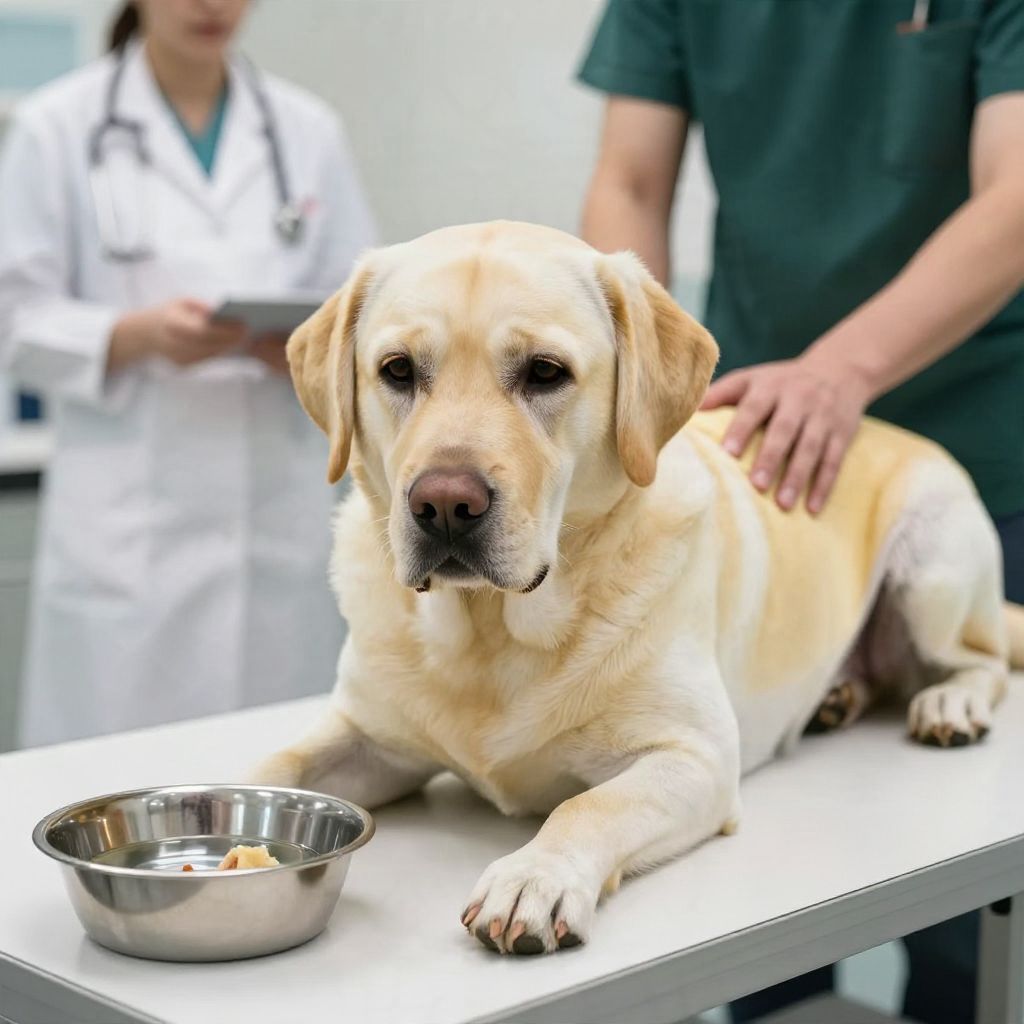
If your dog is vomiting yellow bile and not eating, take it seriously. Yellow vomit often means the stomach is empty, irritated, or your dog is nauseated for another reason, and a loss of appetite can point to anything from mild stomach upset to a more urgent illness.
What you should do depends on your dog’s age, overall health, and any other symptoms. Some dogs improve with close monitoring and a vet-guided plan, but vomiting plus not eating can also be an emergency, especially if it happens more than once or your dog seems weak, painful, or dehydrated.
Dog vomiting yellow bile not eating what to do?
Offer water, keep your dog calm, and watch closely for other symptoms. If vomiting continues, your dog cannot keep water down, seems lethargic, has diarrhea, belly pain, bloating, or is a puppy, senior, or has medical problems, contact a veterinarian promptly. Do not try to force food or wait if red flags appear.
What yellow bile usually means
Yellow vomit is often bile, a digestive fluid that can come up when the stomach is empty or irritated. It may happen after a long gap between meals, mild stomach upset, motion sickness, eating something inappropriate, or a more serious problem affecting the stomach, intestines, liver, pancreas, or another organ.
Not eating matters because appetite loss can be a sign of nausea, pain, fever, stress, dental disease, or systemic illness. One episode is not always an emergency, but repeated vomiting or a refusal to eat for more than a short period deserves veterinary advice.
What to do right away at home
Focus on safety and observation first. Your goal is to prevent dehydration, avoid making nausea worse, and gather useful information for your vet if needed.
- Remove food for a short time only if your vet has previously said this is safe for your dog. Do not fast puppies, toy breeds, diabetic dogs, or dogs with other medical conditions without veterinary guidance.
- Offer small amounts of fresh water frequently. If your dog gulps and vomits again, pause and call your vet.
- Keep your dog quiet and indoors. Rest can help if the cause is mild stomach irritation.
- Check for other signs: diarrhea, drooling, abdominal swelling, repeated retching, weakness, coughing, fever, or unusual behavior.
- Think about possible triggers: new treats, trash, table scraps, bones, toys, plants, medications, or a recent diet change.
If your dog seems otherwise normal and only vomited once, your veterinarian may recommend a bland-feeding plan or monitoring. However, you should not guess if your dog has a history of pancreatitis, intestinal blockage, diabetes, or another chronic condition.
When yellow bile vomiting is an emergency
Some situations need urgent veterinary care right away. Do not wait for “tomorrow” if any of these are happening.
- Repeated vomiting or dry heaving
- Swollen, hard, or painful abdomen
- Weakness, collapse, or trouble standing
- Blood in vomit or black, tarry stool
- Can’t keep water down
- Signs of dehydration such as sticky gums, sunken eyes, or extreme lethargy
- Known or suspected toxin exposure, including human medications, chocolate, grapes/raisins, xylitol, rodent bait, or cannabis
- Possible foreign body ingestion, such as socks, toys, corn cobs, or bones
- A puppy, very small dog, pregnant dog, or senior dog with vomiting and not eating
Bloat, intestinal obstruction, poisoning, and severe pancreatitis can become life-threatening quickly. If you are unsure, call an emergency clinic or your regular veterinarian for immediate triage.
Common causes your vet may consider
There are many possible reasons for this symptom combination, and the right answer depends on your dog’s history and exam. A veterinarian may ask about diet, access to trash, medications, vaccination status, travel, stress, and whether the vomiting is truly bile or partially digested food.
Mild or temporary causes
- Empty stomach irritation, sometimes after long overnight gaps between meals
- Dietary indiscretion, such as eating grass, trash, or rich treats
- Motion sickness
- Stress or anxiety
- Minor stomach upset from a sudden diet change
More serious causes
- Pancreatitis
- Intestinal blockage or partial obstruction
- Foreign body ingestion
- Infectious disease
- Liver, kidney, or endocrine disease
- Toxin exposure
- Severe gastrointestinal inflammation
Breed, age, and size can affect risk, but they do not determine the cause. For example, a large dog with a bloated abdomen needs immediate attention, while a small dog that has not eaten may be especially vulnerable to dehydration or low blood sugar.
What not to do
When your dog is vomiting and refusing food, some common reactions can make things worse. Avoid these mistakes until you have veterinary advice.
- Do not force-feed your dog.
- Do not give human anti-nausea, pain, or stomach medicines unless a veterinarian specifically instructs you to do so.
- Do not offer fatty leftovers, rich treats, or large meals “to get them eating again.”
- Do not assume yellow vomit is harmless if it keeps happening.
- Do not delay care if your dog is acting sick, even if the vomiting seems small.
Also avoid switching foods repeatedly in a short time. Frequent changes can confuse the picture and may worsen stomach upset.
What your veterinarian may do
Your vet will try to find the cause and decide whether your dog needs supportive care, testing, or urgent treatment. The exam may include checking hydration, abdominal pain, temperature, and gum color, plus questions about appetite, stool, and exposure risks.
Depending on the case, your vet may recommend bloodwork, imaging such as X-rays or ultrasound, fecal testing, or treatment for nausea, dehydration, pain, or an underlying illness. If a blockage, bloat, or toxin exposure is suspected, time matters.
How feeding habits can help prevent bile vomiting
Some dogs vomit yellow bile because their stomach stays empty too long. If your vet rules out medical disease, feeding adjustments may help reduce future episodes.
- Feed smaller, more frequent meals if your dog tends to vomit on an empty stomach.
- Keep meal times consistent when possible.
- Use a complete, balanced diet that suits your dog’s age and health needs.
- Avoid sudden food changes unless your veterinarian recommends one.
- Limit rich treats and table scraps, especially for dogs prone to stomach upset.
These steps may help some dogs, but they are not a substitute for veterinary care if vomiting is repeated or your dog is not eating.
Special situations: puppies, seniors, and dogs with health conditions
Puppies can become dehydrated and weak quickly, so vomiting and not eating should be taken seriously. Young dogs are also more likely to swallow objects while exploring, which raises the risk of obstruction.
Senior dogs may have dental pain, kidney disease, liver disease, cancer, or other conditions that reduce appetite or trigger vomiting. Dogs with diabetes, Addison’s disease, pancreatitis, or a history of gastrointestinal problems should be checked sooner rather than later.
If your dog is on medication, ask your vet whether vomiting could be a side effect or whether the medicine should be continued until you get advice. Never stop prescription treatment without guidance unless your veterinarian tells you to do so.
How to monitor your dog while you wait for advice
If your dog is stable and your vet has not directed immediate care, keep a simple record. This helps your veterinarian judge severity and next steps.
- How many times your dog vomited
- What the vomit looked like, including color and whether there was blood
- Whether your dog is drinking, urinating, and passing stool
- Any changes in energy, posture, or appetite
- Anything your dog may have eaten or swallowed
Take a photo of the vomit if you can do so safely. It can be helpful for your vet, especially if the material is yellow foam, food, grass, or something unusual.
When appetite loss alone still needs attention
A dog that vomits once and then skips one meal may be watched briefly if otherwise bright and comfortable. But a dog that refuses food for a full day, or longer in some cases, should be assessed by a veterinarian, especially if there is vomiting, diarrhea, or any change in behavior.
Appetite loss is more concerning in small dogs, puppies, seniors, and dogs with chronic illness. Even if your dog seems only mildly off, persistent not eating can lead to weakness and make the underlying problem harder to treat.
Bottom line
If your dog is vomiting yellow bile and not eating, monitor closely but do not ignore it. Offer water, keep your dog calm, and contact a veterinarian promptly if the vomiting repeats, your dog seems unwell, or any emergency signs appear. Quick action is the safest choice when appetite and vomiting change together.
If you want to learn more about related symptoms, you may also find why dogs vomit yellow and why a dog isn’t eating helpful for next steps.