
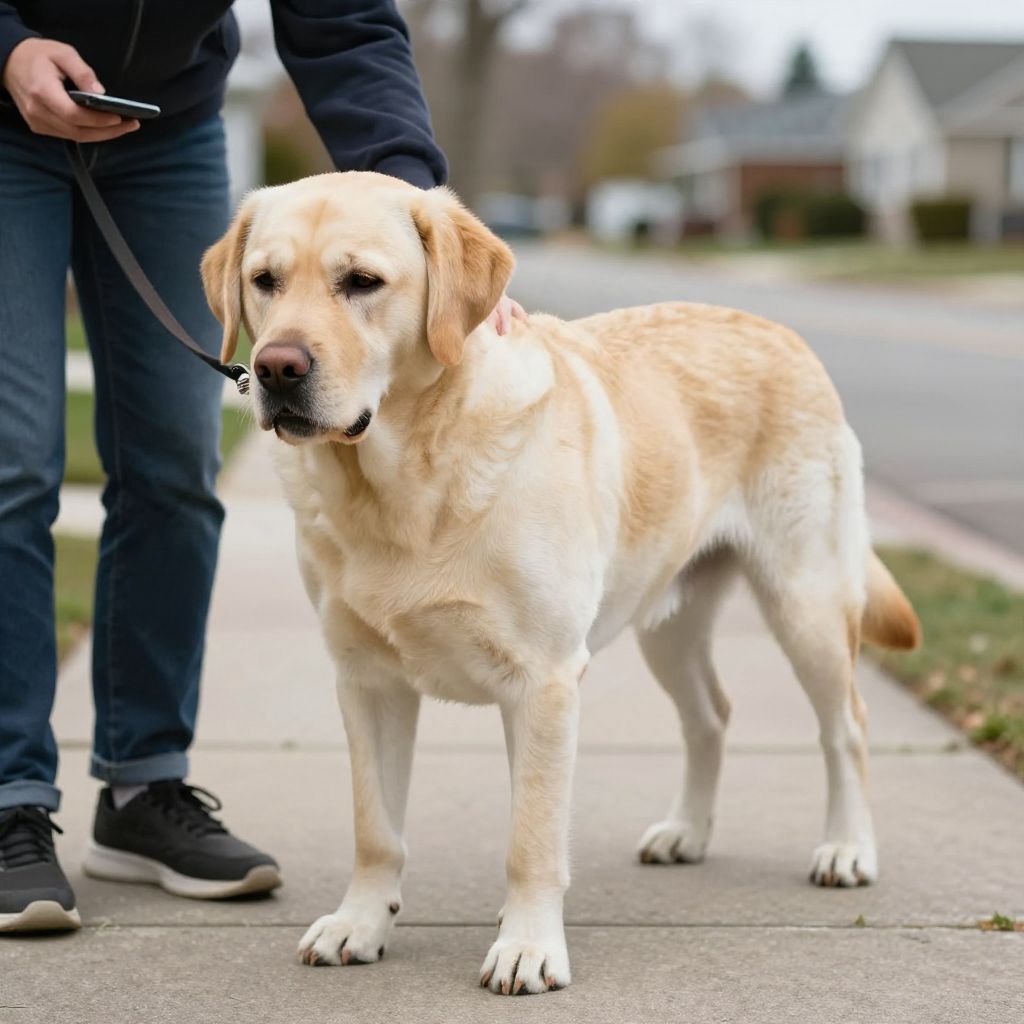
Dog is coughing can be caused by something mild, like throat irritation, or something more serious, such as infection, heart disease, or airway problems. The sound, timing, and any other symptoms matter a lot.
If your dog is coughing repeatedly, seems tired, has trouble breathing, or is coughing up foam, blood, or mucus, contact a veterinarian promptly. A cough that lasts more than a few days also deserves a checkup.
Dog Is Coughing: What Should You Do?
A coughing dog needs observation first, but some signs mean you should call a vet right away. If the cough is frequent, worsening, or paired with breathing trouble, lethargy, fever, or collapse, seek veterinary care promptly. Mild, brief coughing after excitement or drinking may still need monitoring if it keeps happening.
Why Dogs Cough
Coughing is a reflex that helps clear the airways. In dogs, it can happen for many reasons, and the cause is not always obvious from the sound alone.
- Airway irritation: Dust, smoke, pollen, strong scents, or a foreign object can trigger coughing.
- Infectious illness: Kennel cough and other respiratory infections can cause a dry, hacking cough.
- Heart or lung disease: Some dogs cough because fluid, inflammation, or pressure affects breathing.
- Throat or trachea problems: Small dogs and dogs with airway sensitivity may cough more with pressure on the neck or after excitement.
- Parasites or allergies: Less commonly, these can contribute to ongoing coughing.
Age, size, breed tendencies, vaccination status, and exposure to other dogs all affect the likely cause. A young dog in daycare has different risks than a senior dog with a long-term heart condition.
When Dog Coughing Is an Emergency
Some coughing situations should not wait for a routine appointment. Get urgent veterinary help if you notice any of the following:
- Labored breathing, open-mouth breathing, or blue/pale gums
- Collapse, severe weakness, or inability to settle
- Coughing up blood
- Repeated gagging with distress or suspected choking
- A swollen belly, marked restlessness, or sudden severe illness
- Known toxin exposure or inhalation of smoke
If your dog is struggling to breathe, do not try to “wait it out.” Keep your dog calm and transport them to an emergency veterinarian as safely and quickly as possible.
Common Types of Dog Coughs
Dry, honking, or hacking cough
This type is often described as a harsh cough and may be more noticeable after excitement, pulling on a collar, or exercise. It can happen with contagious respiratory illness or airway irritation, but a vet should assess persistent coughing.
Wet or phlegmy cough
A moist-sounding cough can suggest mucus or fluid in the airways. It may occur with infection or lower airway disease and should be evaluated, especially if your dog seems unwell.
Coughing during the night or when resting
Nighttime coughing can be a clue that the issue is not just simple throat irritation. Heart disease, airway problems, or inflammation may be involved, particularly in older dogs.
Coughing after eating or drinking
If your dog coughs while eating, drinking, or right afterward, your vet may want to check for swallowing problems, throat irritation, or regurgitation. This is especially important if it happens often.
What You Can Do at Home While You Wait for the Vet
Supportive care can help keep your dog comfortable, but it should not replace veterinary advice when symptoms are ongoing or severe.
- Limit excitement and exercise. Rest reduces airway stress and can make coughing less frequent.
- Use a harness instead of a neck collar. This avoids pressure on the throat.
- Keep the air clean. Avoid smoke, aerosols, heavy perfumes, and dusty areas.
- Offer fresh water. Hydration helps many dogs feel better, but do not force drinking.
- Separate your dog from other dogs if infection is possible. This helps reduce spread until a vet advises otherwise.
Do not give human cough medicine or leftover prescriptions unless your veterinarian specifically instructs you to do so. Many human products are unsafe for dogs or can mask a serious problem.
When Coughing May Be Contagious
If your dog has been around boarding facilities, dog parks, grooming salons, training classes, or shelters, a contagious respiratory illness becomes more likely. Dogs with contagious coughs may also have sneezing, nasal discharge, a reduced appetite, or mild fever.
- Keep your dog away from other dogs until a veterinarian says it is safe.
- Wash bedding, bowls, and shared items regularly.
- Tell the clinic ahead of time if you suspect a contagious condition so they can guide you on arrival.
Not every cough is contagious, but it is wise to be cautious until you know what is causing it.
How Vets Evaluate a Coughing Dog
Your veterinarian will usually ask when the cough started, what it sounds like, and whether it happens with exercise, rest, eating, or excitement. They may also ask about vaccination history, exposure to other dogs, travel, and any changes in appetite or energy.
Depending on the case, the exam may include listening to the heart and lungs, checking the throat, and recommending tests such as chest X-rays, a respiratory panel, parasite testing, or heart evaluation. The right workup depends on your dog’s age, breed tendencies, and overall health.
Things That Can Make Coughing Worse
Some common habits can aggravate a cough or delay recovery.
- Using a tight collar that presses on the neck
- Allowing intense play or running while symptoms are active
- Exposing your dog to smoke, dust, or strong fragrances
- Assuming a cough is “just kennel cough” without a vet check if it persists
- Giving over-the-counter medications without veterinary guidance
Small dogs, brachycephalic dogs with flatter faces, and older dogs may be more sensitive to airway stress, but any dog can develop a serious cause of coughing.
How to Help Prevent Future Coughing
You cannot prevent every cause of coughing, but you can lower the risk of some common problems.
- Keep vaccinations current as recommended by your veterinarian.
- Use parasite prevention if your vet recommends it for your area and lifestyle.
- Choose a harness for dogs that pull or have throat sensitivity.
- Avoid secondhand smoke and poor indoor air quality.
- Schedule regular wellness exams, especially for senior dogs.
Good preventive care matters more as dogs age, because chronic heart, lung, or airway conditions become more likely over time.
Special Situations to Watch Closely
Puppies
Puppies can cough from contagious illness more easily because their immune systems are still developing. Any persistent cough in a puppy should be taken seriously, especially if appetite, energy, or breathing changes.
Senior dogs
Older dogs are more likely to have heart or chronic airway disease. If your senior dog coughs at night, after lying down, or with mild exercise, a veterinary exam is important even if the cough seems small at first.
Dogs that pull on the leash
Dogs that strain against a collar may cough from repeated throat pressure. Switching to a well-fitted harness and using reward-based leash training can reduce irritation while you work on the behavior.
What Not to Do
When your dog is coughing, avoid quick fixes that can hide the real issue or make it worse.
- Do not use punishment to stop coughing or gagging.
- Do not force exercise to “see if it passes.”
- Do not give human cough suppressants or decongestants without veterinary approval.
- Do not delay care if breathing changes, coughing worsens, or your dog seems unwell.
The safest approach is to observe carefully, reduce irritation, and get professional help when the cough is persistent or concerning.
Conclusion
If your dog is coughing, pay attention to how it sounds, how often it happens, and whether your dog has any other symptoms. Mild coughing may improve with rest and reduced irritation, but persistent coughing, breathing trouble, or a sick appearance needs veterinary attention. When in doubt, call your vet sooner rather than later.
If you want to learn more about related symptoms, you may also find these helpful: why is my dog coughing and gagging? and what to do if my dog has diarrhea.