
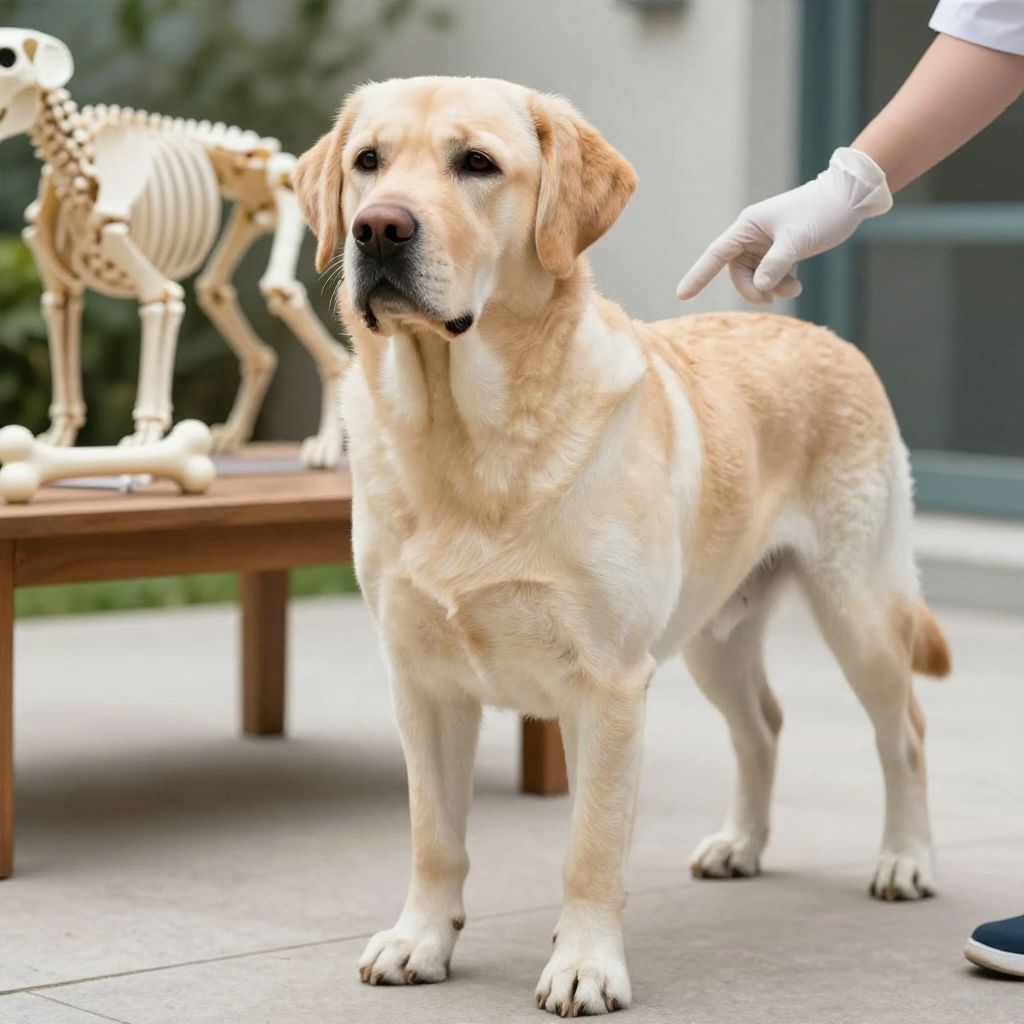
How many bones does a dog have? The short answer is that most adult dogs have about 319 bones, but the exact number can vary a little by breed, tail length, and whether the dog has extra or missing digits. Puppies also have more cartilage that gradually hardens into bone as they grow.
Understanding your dog’s skeleton can help you spot injury, support healthy exercise, and know when something seems off. If you’re caring for a puppy, senior dog, or a breed with unusual body structure, a little anatomy knowledge goes a long way.
How many bones does a dog have?
Most adult dogs have about 319 bones, though the exact count can vary slightly. Differences in tail length, toe count, and other natural variations can change the total. Puppies start with more flexible cartilage, and those tissues gradually ossify into the adult skeleton as they mature.
Why the exact bone count can vary
Dogs are not all built exactly the same, so bone counts are not always identical. The main reasons for variation are normal anatomical differences rather than anything wrong.
Tail length
Some dogs have longer tails with more vertebrae, while others have shorter tails or naturally short tails. That changes the total number of bones in the spine and tail.
Toe and digit differences
Most dogs have the standard number of toes, but some have extra toes or, less commonly, fewer due to genetics or injury. Extra digits can add bones, while missing digits can reduce the total.
Breed and body shape
Breed can influence overall skeletal proportions, but it does not create a totally different basic dog skeleton. Large, small, long-backed, short-legged, and brachycephalic dogs all share the same general bone structure, with size and shape differences.
What makes up a dog’s skeleton?
A dog’s skeleton does more than hold the body up. It protects organs, supports movement, stores minerals, and gives muscles a framework to work against.
- Skull: protects the brain and supports the face and jaw.
- Spine: runs from the neck to the tail and helps with flexibility and support.
- Ribs and sternum: protect the heart and lungs.
- Front and hind limbs: support walking, running, jumping, and balance.
- Feet and toes: help with traction, shock absorption, and stability.
Puppies versus adult dogs
Puppies do not have a fully hardened skeleton yet. Many of their bones begin as cartilage and gradually turn into bone as they grow, which is why puppies can be more flexible but also more vulnerable to injury.
Why growth matters
During growth, bones lengthen and joints develop. Too much jumping, rough play, or repetitive high-impact exercise can stress growing joints, especially in large-breed puppies.
Helpful puppy care guidelines
- Keep exercise age-appropriate and avoid overdoing stairs, jumping, or long runs.
- Use balanced puppy food formulated for growth, especially for large breeds.
- Watch for limping, stiffness, or reluctance to move.
- Ask your veterinarian about safe activity levels if your puppy is very large or growing quickly.
How a dog’s bones affect movement and behavior
Bone structure influences how a dog moves, but behavior still depends on training, health, age, and temperament. A dog with a long spine, short legs, or a heavy body may move differently from a dog with a lighter frame, yet no breed should be assumed to act a certain way because of anatomy alone.
What you may notice in daily life is that some dogs are naturally better suited to certain activities. For example, a dog with a sturdy build may handle hiking differently than a toy breed, while a long-backed dog may need extra care around jumping and twisting.
Common bone and joint problems dog owners should know
Because bones, joints, and muscles work together, problems in one area often affect the others. Some issues are minor, but others need veterinary attention quickly.
Signs that deserve a vet visit
- Limping that lasts more than a day or worsens
- Swelling, heat, or obvious pain in a limb or joint
- Reluctance to stand, climb stairs, or jump
- Stiffness after rest, especially if it becomes frequent
- Sudden yelping, crying, or guarding a body part
- Visible deformity after an injury
Emergency warning signs
Seek urgent veterinary care right away if your dog cannot bear weight, has a suspected fracture, has a major fall or collision, shows severe pain, has a rapidly swelling limb, or seems weak, pale, or distressed after an injury.
How to support healthy bones at home
Good bone health starts with overall wellness. The best approach is steady, balanced care rather than trying to “build stronger bones” with random supplements or risky habits.
- Feed a complete, balanced diet. Choose food appropriate for your dog’s life stage, size, and health status.
- Keep your dog at a healthy weight. Extra weight puts more stress on bones and joints.
- Provide regular exercise. Consistent movement helps maintain muscle support around the skeleton.
- Avoid repeated high-impact strain. Limit excessive jumping or hard running on slippery surfaces.
- Schedule routine veterinary care. Regular exams can catch orthopedic issues early.
About supplements
Supplements are not automatically helpful, and some can be unnecessary or inappropriate. If you are considering calcium, joint supplements, or other products, ask your veterinarian first, especially for puppies, large breeds, or dogs with medical conditions.
Bone safety: chews, treats, and household hazards
When people ask how many bones a dog has, they often also wonder about bones as chews. It is important to separate anatomy from chew safety: not all bones are safe for dogs to eat or gnaw on.
Why cooked bones are dangerous
Cooked bones can splinter, which may cause mouth injuries, choking, intestinal blockage, or tears in the digestive tract. Do not give cooked bones from table scraps.
Safer chew choices
- Veterinary-approved chew toys sized for your dog
- Rubber or nylon chews designed for dogs
- Edible chews recommended by your veterinarian or trainer
Always supervise chewing, especially with puppies, strong chewers, or dogs that try to swallow large pieces. If a chew breaks into sharp fragments or small chunks, remove it.
Do senior dogs have the same number of bones?
Senior dogs usually have the same number of bones they had as adults, unless they have had surgery, injury, or an amputation. What changes with age is bone density, joint comfort, and mobility, not the basic skeleton count.
Older dogs may become less flexible, develop arthritis, or move more cautiously. If your senior dog struggles to rise, hesitates on stairs, or seems stiff after resting, your veterinarian can help assess pain and mobility support.
When to talk to a veterinarian
You should contact a veterinarian if you have questions about your dog’s bone development, gait, pain, or injury risk. This is especially important for puppies, large-breed dogs, dogs with known orthopedic disease, and dogs recovering from trauma or surgery.
- Persistent limping or stiffness
- Sudden pain or refusal to move
- Swelling or deformity
- Concerns about growth, nutrition, or supplements
- Any suspected fracture, dislocation, or spinal injury
Helpful takeaway
Most adult dogs have about 319 bones, but the exact number can vary a little from dog to dog. If you focus on good nutrition, safe exercise, healthy weight, and prompt care for injuries, you’ll support your dog’s skeleton far better than by worrying about the exact count alone.
If you want to keep learning about dog anatomy, you may also find how many toes a dog has useful for understanding paw structure and how many nipples dogs have helpful for basic body-structure questions.