
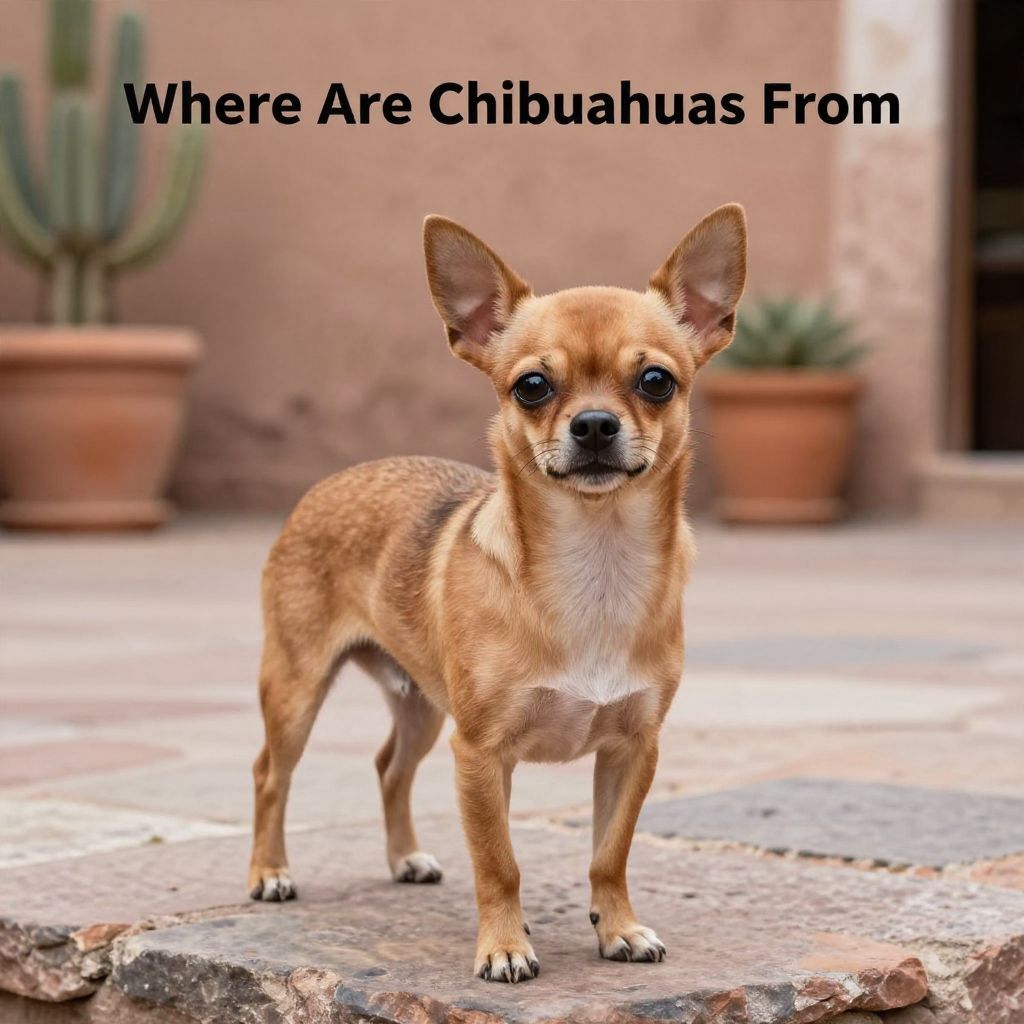
Chihuahuas are from Mexico, where the breed’s roots are tied to ancient small companion dogs kept by Indigenous peoples. Modern Chihuahuas were later developed and standardized in Mexico, then became popular worldwide as tiny companion pets.
If you’re wondering where Chihuahuas come from, the short answer is Mexico—but their exact ancestry is more complex. Knowing their background can help you understand their size, temperament, and care needs without assuming every Chihuahua acts the same way.
Where Are Chihuahuas From?
Chihuahuas are generally considered a Mexican breed, named after the Mexican state of Chihuahua. Their history is linked to small companion dogs that existed in pre-Columbian Mexico, and the modern breed was refined there before spreading internationally as a companion dog.
The Breed’s Historical Roots
Chihuahua history is often connected to small dogs kept by ancient Mesoamerican cultures. Over time, those dogs likely influenced the breed we know today, though the full story is not perfectly documented.
What is well supported
- The breed is strongly associated with Mexico.
- The name comes from the Mexican state of Chihuahua.
- Chihuahuas became recognized as a distinct companion breed much later than their ancient roots.
What is less certain
- Exactly which ancient dogs contributed to the modern Chihuahua.
- How much of today’s breed comes directly from pre-Columbian dogs versus later breeding.
That uncertainty is normal in old breed histories. What matters for you as an owner is that Chihuahuas were developed as small companion dogs, which helps explain why many do best with close human contact and thoughtful handling.
Why Their Origin Matters for You
Understanding where Chihuahuas are from can help you set realistic expectations. Their background as tiny companion dogs often means they may be alert, people-focused, and sensitive to handling, but individual temperament still varies widely.
- Small size means they can be physically fragile.
- Companion-breed history often means they want to stay close to you.
- Alertness can show up as barking or watchfulness in some dogs.
- Early socialization is important so they feel safe around people, dogs, and normal household sounds.
These are tendencies, not guarantees. A well-socialized Chihuahua may be calm and confident, while another may be shy, vocal, or cautious based on genetics, early experiences, and training history.
Common Chihuahua Traits That May Relate to Their Background
Attachment to people
Many Chihuahuas form strong bonds with their families. Because of that, they may prefer being near you and can become stressed if left alone too long without preparation.
Watchfulness and barking
Some Chihuahuas are quick to notice movement, sounds, or visitors. This can be useful, but it can also become excessive barking if they are not taught what to do instead.
Sensitivity to rough handling
Their small bodies make them more vulnerable to falls, jumping injuries, and being accidentally stepped on. Children and visitors should be taught to sit down and let the dog approach calmly.
Confidence varies a lot
Some Chihuahuas are bold and outgoing. Others are cautious or nervous. Breed history can suggest general tendencies, but your dog’s own personality matters more than stereotypes.
How to Care for a Chihuahua Based on Their Size and Temperament
Because Chihuahuas are small and often highly aware of their surroundings, practical care should focus on safety, gentle training, and predictable routines.
Safe handling
- Support the chest and hind end when picking them up.
- Use ramps or steps if they need help getting onto furniture safely.
- Supervise interactions with large dogs and young children.
- Keep them secure in a carrier or harness for travel.
Training that works well
Reward-based training is usually the best approach. Use treats, praise, and short sessions to teach cues like come, sit, stay, and settle.
- Keep sessions brief and positive.
- Reward calm behavior before problems start.
- Practice in quiet places first, then add distractions gradually.
- Avoid yelling, intimidation, or punishment, which can increase fear and defensiveness.
Exercise and enrichment
Most Chihuahuas do not need intense exercise, but they do need daily activity and mental stimulation. Short walks, indoor games, and food puzzles can help prevent boredom.
- Short leash walks
- Hide-and-seek games
- Simple trick training
- Chew-safe enrichment toys
Socialization for a Chihuahua Puppy or Adult Dog
Because Chihuahuas can be sensitive, early and gentle socialization is especially helpful. The goal is to build positive experiences, not to overwhelm the dog.
Helpful socialization steps
- Introduce new people slowly and calmly.
- Pair new sounds and places with treats or praise.
- Let your dog observe from a safe distance before closer contact.
- Stop if you see signs of fear such as freezing, trembling, or trying to hide.
If your Chihuahua already seems fearful or reactive, a qualified force-free trainer or veterinary behaviorist can help you create a plan. Early support is often easier than trying to fix a long-standing problem later.
Health Considerations for Small Dogs
Breed origin does not determine health by itself, but a Chihuahua’s small size does affect everyday safety. Tiny dogs can be more prone to injury from jumping, rough play, or being dropped.
Watch for these red flags
- Difficulty breathing
- Collapse or fainting
- Sudden limping or inability to walk
- Persistent vomiting or diarrhea
- Not eating or drinking normally
- Severe lethargy or obvious pain
Seek urgent veterinary care if your Chihuahua has trouble breathing, cannot stand, has a seizure, or seems to be in severe pain. Small dogs can deteriorate quickly, so do not wait if symptoms are serious.
Routine veterinary care matters
Regular checkups help catch problems early. Your veterinarian can advise you on dental care, parasite prevention, weight management, and age-appropriate screening based on your dog’s individual needs.
Feeding and Weight Management
Chihuahuas can gain weight easily if their food and treats are not measured carefully. Extra weight can make movement harder and may worsen joint or breathing issues.
- Feed a complete and balanced dog food appropriate for your dog’s life stage.
- Measure meals instead of free-feeding when possible.
- Use small training treats or part of the daily kibble allowance for rewards.
- Ask your vet if you are unsure whether your dog is at a healthy weight.
Because they are small, even modest overfeeding can add up. If your Chihuahua is unusually hungry, losing weight, or acting tired, schedule a veterinary visit rather than changing food on your own without guidance.
Grooming and Everyday Care
Chihuahuas may have either short or long coats, and grooming needs vary accordingly. Coat type does not change their origin, but it does affect how you care for them.
Basic grooming checklist
- Brush regularly to reduce loose hair and tangles.
- Check ears, teeth, nails, and skin often.
- Trim nails before they get too long.
- Brush teeth or use vet-approved dental care routines.
Dental care is especially important for small dogs. If you notice bad breath, red gums, drooling, or trouble chewing, ask your veterinarian to examine your dog’s mouth.
Common Mistakes New Chihuahua Owners Make
- Assuming small size means the dog does not need training.
- Letting the dog jump from high furniture without support.
- Skipping socialization because the dog is “tiny and easy.”
- Using punishment for barking or fear.
- Allowing rough handling from children or larger dogs.
These mistakes can lead to fear, injury, or behavior problems. A Chihuahua may be small, but it still needs structure, exercise, and consistent training like any other dog.
When to Ask a Professional for Help
Contact a veterinarian if you notice pain, sudden behavior changes, appetite loss, or any emergency signs. A certified trainer or veterinary behaviorist can help if your Chihuahua is fearful, reactive, or difficult to manage despite patient training.
- Veterinarian: health concerns, injury, pain, appetite changes
- Certified trainer: manners, leash skills, barking, socialization
- Veterinary behaviorist: severe fear, anxiety, or aggression-related concerns
If you want to keep learning, you may also find it helpful to read about how long Chihuahuas live and why some owners ask why Chihuahuas seem aggressive. Understanding lifespan and behavior can help you care for your dog more confidently.
So, where are Chihuahuas from? They are from Mexico, with deep historical roots tied to ancient small companion dogs. If you focus on gentle handling, socialization, and routine veterinary care, you can give your Chihuahua the safe, happy life this small breed deserves.