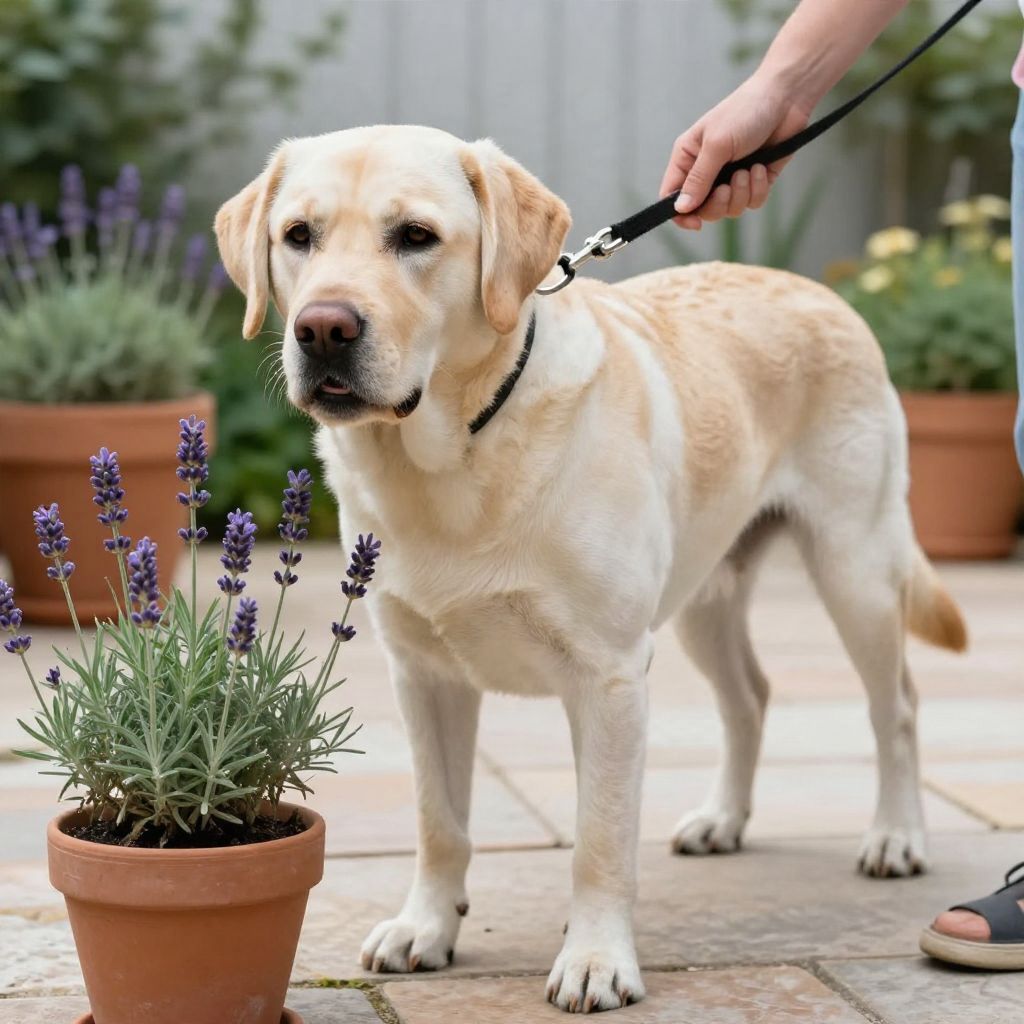
If you’re wondering, “Is lavender toxic to dogs?” the short answer is that lavender can be risky for dogs, especially in concentrated forms like essential oils. Mild exposure to the plant itself may cause only minor stomach upset in some dogs, but ingestion or skin contact with stronger lavender products can be more serious.
What matters most is the form of lavender, how much your dog contacted, and whether your dog has symptoms. If your dog ate lavender, licked oil, or seems unwell, contact your veterinarian promptly for guidance.
Is Lavender Toxic To Dogs?
Lavender is not always severely toxic, but it is not automatically safe for dogs either. The plant, dried flowers, and especially lavender essential oil can irritate a dog’s stomach, skin, or airways, and concentrated products may cause more significant illness. If symptoms appear, call your vet right away.
Why Lavender Can Be a Problem for Dogs
Lavender contains natural compounds that may be irritating or upsetting to some dogs. The risk depends on the product and the route of exposure.
Common lavender exposures
- Fresh or dried lavender plants: may cause mild drooling, vomiting, or stomach upset if chewed or swallowed.
- Lavender essential oil: much more concentrated and more likely to cause problems if licked, inhaled in a strong diffuser, or applied to skin.
- Lavender sprays, shampoos, and lotions: can irritate skin or be harmful if your dog licks them off.
- Potpourri or scented products: may contain other ingredients that are also unsafe for dogs.
Some dogs tolerate small exposures better than others, while puppies, toy breeds, older dogs, and dogs with health issues may be more sensitive. A dog’s size, overall health, and how much lavender was involved all matter.
Signs Your Dog May Be Reacting to Lavender
Watch for symptoms after your dog sniffs, eats, or rubs against lavender products. Mild signs may pass, but worsening symptoms need veterinary care.
- Drooling
- Vomiting
- Diarrhea
- Loss of appetite
- Redness or irritation of the skin
- Itching or pawing at the face
- Coughing, sneezing, or watery eyes
- Lethargy or unusual behavior
Get urgent veterinary help if your dog has trouble breathing, collapses, has repeated vomiting, seems very weak, trembles, or has swelling of the face or mouth. These are red flags that should not be watched at home.
What To Do If Your Dog Ate Lavender
If your dog ate a small amount of plain lavender plant material, your vet may recommend monitoring for mild stomach upset. If your dog ate essential oil, a scented product, or a large amount of plant material, call your veterinarian or an emergency clinic for advice.
- Remove any remaining lavender or product from your dog’s reach.
- Check the package or label if a product was involved.
- Note when the exposure happened and how much may have been eaten or licked.
- Watch for vomiting, drooling, coughing, weakness, or breathing changes.
- Contact your veterinarian for next steps.
Do not try to make your dog vomit unless a veterinarian specifically tells you to do so. Some products can cause more harm coming back up, and home remedies can make the situation worse.
Is Lavender Essential Oil Safe for Dogs?
Lavender essential oil is the biggest concern. Because it is highly concentrated, even small amounts can irritate a dog’s mouth, stomach, skin, or lungs. Diffusers can also be a problem if the room is poorly ventilated or if your dog cannot leave the area.
Why essential oils need extra caution
- Dogs may lick oil off fur or surfaces.
- Some dogs are sensitive to strong scents or airborne particles.
- Oil can be absorbed through the skin and cause irritation.
- Essential oils may be especially risky for puppies, seniors, and dogs with asthma-like or respiratory issues.
If you use essential oils in your home, keep them out of reach and never apply them to your dog without veterinary guidance. “Natural” does not mean safe for pets.
Can Dogs Be Around Lavender Plants?
Many dogs can be around a lavender plant without issue, especially if they do not chew it. The main concern is ingestion, repeated nibbling, or exposure to concentrated products used on the plant or nearby surfaces.
If your dog likes to graze on houseplants or garden plants, supervision matters. Some dogs ignore lavender completely, while others chew anything within reach. Individual behavior is more important than breed alone.
How to reduce risk around lavender plants
- Place plants where your dog cannot reach them.
- Clean up fallen leaves or flowers promptly.
- Avoid using oils or sprays directly on the plant unless you know they are pet-safe.
- Redirect chewing with safe toys and enrichment if your dog is a plant nibbler.
What If Lavender Was Used in a Dog Product?
Some dog shampoos, wipes, and calming sprays include lavender. That does not automatically make them safe for every dog. Products should be used exactly as directed, and you should stop using them if your dog develops redness, itching, sneezing, or stomach upset.
Be careful with calming products
Calming scents may seem helpful, but they are not the right solution for all dogs. If your dog is anxious, a veterinarian or certified trainer can help you choose safer behavior support options instead of relying on scented products alone.
When Lavender Exposure Is More Concerning
Some situations deserve faster veterinary attention because the risk is higher than a simple sniff or tiny nibble.
- Your dog swallowed lavender essential oil.
- Your dog has repeated vomiting or diarrhea.
- Your dog is coughing, wheezing, or struggling to breathe.
- Your dog seems unusually sleepy, weak, or uncoordinated.
- Your dog has a known medical condition and now seems worse.
- Your dog is a very young puppy, very small dog, or senior dog with fragile health.
These cases can worsen quickly, so it’s better to call early than wait for symptoms to “pass.”
Common Mistakes Dog Owners Make With Lavender
Most problems happen when people assume a natural scent is harmless. Avoid these common errors:
- Using essential oil on a dog’s skin without veterinary advice.
- Running a diffuser in a closed room with no escape route.
- Leaving lavender sachets, oils, or sprays where a dog can lick them.
- Assuming all “pet-safe” labels are equally reliable for every dog.
- Ignoring mild vomiting or drooling after exposure.
Even if the first exposure seems mild, repeated exposure can still irritate your dog over time.
How To Keep Your Dog Safe Around Lavender
If you enjoy lavender in your home or yard, you can usually manage it safely with a few precautions.
- Keep essential oils and scented products stored securely.
- Use good ventilation if any fragrance is used indoors.
- Prevent your dog from chewing plants or licking surfaces.
- Choose unscented grooming products unless your vet recommends otherwise.
- Monitor your dog closely after any new household product is introduced.
If your dog has a history of sensitive skin, allergies, or frequent stomach upset, be extra cautious with any new scent or topical product.
When to Call the Veterinarian
Call your veterinarian if you are unsure whether your dog’s exposure was significant, or if you notice any symptoms after contact with lavender. If the exposure involved essential oil, a diffuser, or a commercial product with multiple ingredients, professional advice is especially important.
Seek emergency care immediately if your dog has breathing trouble, severe weakness, seizures, collapse, or persistent vomiting.
Bottom Line
So, is lavender toxic to dogs? It can be, especially in concentrated forms like essential oil and scented products. Small contact with the plant may only cause mild upset, but any concerning exposure should be taken seriously. When in doubt, call your veterinarian and keep lavender products out of your dog’s reach.
If you want to learn more about other dog-safe or unsafe household items, you may also find these helpful: is white chocolate bad for dogs and can dogs have lime.