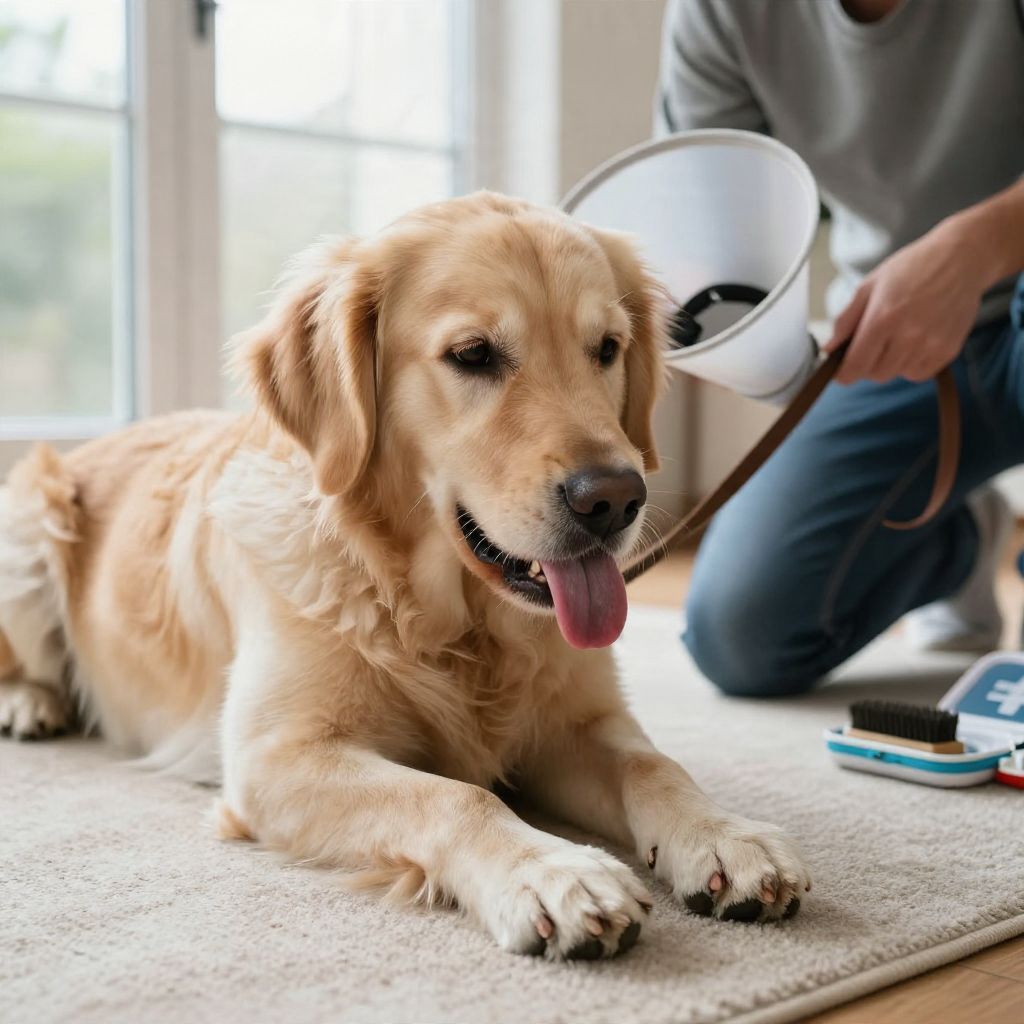
Why do dogs bite their paws? Most often, it’s a sign of itchiness, pain, irritation, or stress. The behavior can be mild and occasional, or it can point to a skin problem, injury, allergy, or infection that needs veterinary care.
Because paw biting can quickly worsen the skin, it’s important to look for the cause rather than just stopping the behavior. Some dogs need simple grooming changes, while others need prompt treatment from a veterinarian.
Why do dogs bite their paws?
Dogs bite their paws when something is making the feet uncomfortable, itchy, sore, or emotionally stressful. Common causes include allergies, parasites, skin infections, foreign objects, nail problems, injuries, and anxiety. If the biting is frequent, one-sided, or causing redness, swelling, or limping, your dog should be checked by a veterinarian.
Common causes of paw biting
Allergies
Allergies are one of the most common reasons dogs chew or bite their paws. Dogs may react to environmental triggers such as pollen, grass, dust mites, or mold, and some have food-related sensitivities that affect the skin.
Allergic dogs often have other signs too, such as:
- Itchy ears
- Red or inflamed skin
- Repeated licking of the feet
- Seasonal flare-ups
Because allergies can look similar to infections or parasites, a veterinarian may need to sort out the real cause before treatment can help.
Parasites
Fleas, mites, and other parasites can make dogs intensely itchy. Even if you do not see bugs, parasites can still be present and irritating the skin between the toes or around the paws.
Watch for scratching, hair loss, scabs, or generalized itchiness. Parasites are especially important to consider if your dog spends time outdoors or is not on a consistent parasite-prevention plan recommended by your vet.
Skin infections
Bacterial or yeast infections often develop after repeated licking or biting, but they can also be the original problem. Moisture trapped between the toes, allergies, or minor wounds can create the right environment for infection.
Possible clues include:
- Red, swollen, or warm skin
- Odor from the paws
- Greasy or sticky fur
- Brown staining from saliva
- Crusts, discharge, or pain
Infections usually need a veterinary diagnosis and targeted treatment, not just grooming alone.
Foreign objects and minor injuries
A thorn, grass awn, pebble, splinter, burr, or broken nail can make a dog focus on one paw. A cut pad, burned paw, or sore toe can also lead to biting because the dog is trying to relieve discomfort.
If the problem is mostly on one paw, inspect it closely for swelling, tenderness, bleeding, or something stuck between the toes. Do not dig deeply into the paw if you cannot easily see the object.
Nail and paw-pad problems
Overgrown nails, torn nails, cracked pads, and rough surfaces can all cause discomfort. Dogs that walk a lot on hard ground, or dogs whose nails are not trimmed regularly, may start biting at their feet because every step feels irritating.
Some dogs are also sensitive to hot pavement, ice, salt, or rough terrain. Seasonal weather can make paw-pad issues more noticeable.
Anxiety, boredom, or habit
Not every case is caused by a physical problem. Some dogs bite their paws when they are stressed, under-stimulated, left alone too long, or stuck in a repetitive habit that started after an itch or injury.
Behavior-related paw biting is more likely when the dog does it during quiet times, when bored, or in response to changes at home. Even then, you should still rule out medical causes first, because pain and itch can trigger the behavior.
How to tell if it’s a medical issue or a behavior issue
It can be hard to separate itch, pain, and habit at home. A useful clue is whether the biting is linked to redness, swelling, limping, odor, hair loss, or one specific paw. Those signs suggest a physical problem that needs veterinary attention.
Behavioral paw biting is more likely if your dog is otherwise healthy, the skin looks normal, and the habit appears during stress or downtime. Even so, a vet exam is still the safest first step if the behavior is new or persistent.
What you should do first
If your dog is biting their paws, start with a calm, careful check and avoid assuming it is “just a habit.” Early action can prevent a small irritation from becoming a bigger skin problem.
- Look closely at all four paws, including between the toes and around the nails.
- Check for redness, swelling, discharge, odor, broken nails, or anything stuck in the paw.
- Notice whether one paw or several paws are affected.
- Think about recent changes: new food, new walking routes, grooming products, weather, or stress.
- Schedule a veterinary visit if the biting is frequent, worsening, or causing skin damage.
Helpful steps you can take at home
These measures may reduce irritation while you wait for an appointment or while you monitor a mild case:
- Rinse muddy paws and dry them well after walks.
- Check for burrs, tiny cuts, or debris after outdoor time.
- Keep nails trimmed to a comfortable length.
- Use a cone or recovery collar if your dog is damaging the skin and you are waiting for veterinary guidance.
- Increase mental enrichment and exercise if boredom seems to be a trigger.
Do not apply human creams, essential oils, or over-the-counter medications unless your veterinarian has told you they are safe for your dog.
When paw biting is an emergency
Some signs mean you should seek urgent veterinary care rather than waiting. Paw biting can be a symptom of something more serious if it is paired with sudden pain or a rapidly worsening injury.
- Severe limping or refusal to bear weight
- Heavy bleeding or a torn nail
- Rapid swelling
- A deep puncture wound or embedded object
- Pus, strong odor, or spreading redness
- Sudden intense pain or distress
- Facial swelling, hives, or trouble breathing
Do not wait if your dog seems very painful, cannot walk normally, or has signs of an allergic reaction.
Why repeated biting can make the problem worse
Once a dog starts chewing the skin, the area can become inflamed and more itchy, which creates a cycle. Saliva, moisture, and friction can also encourage infection and make healing slower.
This is why “watch and wait” is not always the best plan when the behavior is frequent. The longer the skin stays irritated, the harder it can be to break the cycle.
What your veterinarian may check
A veterinarian will usually look at the paws, skin, nails, and ears, and may ask about diet, grooming, environment, and the timing of the problem. Depending on the findings, they may recommend tests to look for infection, parasites, allergies, or injury.
Possible next steps can include a skin exam, cytology, parasite treatment, diet discussion, or referral for allergy workup. If anxiety or compulsive behavior is suspected, your vet may also discuss behavior support.
How to reduce paw biting long term
The best long-term plan depends on the cause, but several strategies are commonly helpful once serious medical issues are ruled out or treated.
For itch and skin irritation
- Follow your veterinarian’s treatment plan exactly.
- Keep the paws clean and dry after wet walks.
- Use parasite prevention as recommended.
- Track flare-ups so you can spot patterns by season, location, or food changes.
For boredom or stress
- Provide daily exercise suited to your dog’s age and body condition.
- Use food puzzles, sniffing games, and training sessions for mental enrichment.
- Keep a predictable routine when possible.
- Reward calm behavior instead of punishing the biting.
If the behavior seems linked to separation stress, major household changes, or compulsive habits, a certified trainer or veterinary behaviorist can help you build a humane plan.
For grooming and foot care
- Trim nails regularly, or ask a groomer or vet to help if your dog is anxious.
- Check paw pads after hikes, winter walks, or time on rough ground.
- Keep the fur between the toes neat if it traps debris, especially in dogs with fluffy feet.
Breed, coat type, and lifestyle matter here. Some dogs naturally need more foot maintenance than others, but any dog can develop paw irritation if grooming is neglected.
Common mistakes to avoid
When you are trying to help, it is easy to focus on stopping the behavior instead of fixing the cause. That can delay proper treatment and make the skin worse.
- Ignoring persistent paw biting because it “comes and goes”
- Using harsh punishment or scolding
- Applying random creams, sprays, or home remedies
- Assuming all paw biting is anxiety-related
- Waiting too long when there is redness, odor, or limping
Reward-based management and veterinary guidance are safer and more effective than trying to force the behavior to stop.
Bottom line
Why do dogs bite their paws? Usually because something is irritating, painful, or stressing them, and the cause may be medical or behavioral. The safest approach is to inspect the paws, watch for warning signs, and get veterinary help if the problem is frequent, worsening, or causing skin damage.
If you want to learn more about related foot-licking and chewing behaviors, you may also find why dogs lick their paws and why dogs chew on their feet helpful.