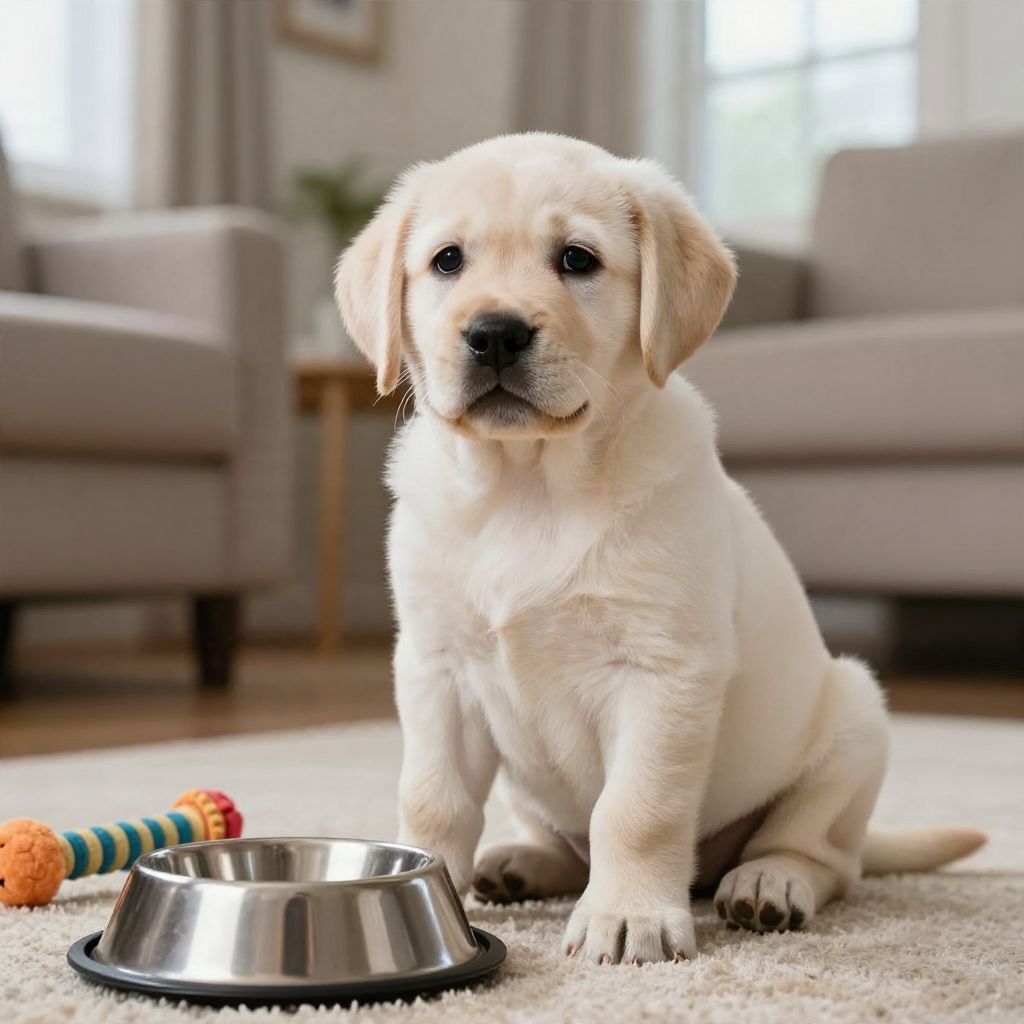
Puppies get hiccups because their diaphragm is still developing and can spasm more easily than an adult dog’s. Excitement, eating too quickly, gulping air, or sudden changes in breathing patterns can also trigger them.
In most cases, puppy hiccups are harmless and pass on their own. If your puppy seems distressed, has trouble breathing, or hiccups happen often with other symptoms, it’s time to call your veterinarian.
Why do puppies get hiccups?
Puppies get hiccups when the diaphragm, the muscle that helps them breathe, contracts suddenly and repeatedly. Because puppies are small, active, and still maturing, they may hiccup more often than adult dogs. Common triggers include eating too fast, drinking quickly, play bursts, stress, or swallowing extra air.
What puppy hiccups usually look like
Hiccups often sound like a small “hic” or “yip” and may make your puppy’s chest or belly twitch. They can last a few minutes and then stop without treatment. Many puppies barely notice them and continue playing, resting, or exploring normally.
Hiccups vs. other breathing problems
Hiccups are usually rhythmic and brief. They are different from coughing, gagging, wheezing, or labored breathing, which can signal a health problem. If you are unsure what you are seeing, watch closely and contact your vet if the episode seems unusual.
Common reasons puppies get hiccups
- Eating too quickly: Fast eaters may swallow air along with food.
- Drinking too fast: Rapid water intake can irritate the diaphragm.
- Excitement or overactivity: Rough play and bursts of energy can change breathing patterns.
- Stress or arousal: New experiences, visitors, or training sessions may trigger hiccups in some puppies.
- Immature nervous system: Young puppies are still developing, so hiccups can happen more easily.
Are puppy hiccups normal?
Yes, occasional hiccups are usually normal in healthy puppies. They are especially common in young dogs and often become less frequent as the puppy matures. Breed, size, and temperament can influence how often they happen, but there is no single pattern that applies to every puppy.
What you can do when your puppy gets hiccups
Most of the time, the best response is to stay calm and let the episode pass. If your puppy is otherwise comfortable, you usually do not need to do anything special.
- Pause play for a few minutes so breathing can settle.
- Offer a small amount of water if your puppy seems thirsty, but do not force it.
- Let your puppy rest in a quiet place.
- Watch for any change in breathing, energy, or behavior.
Do not try risky home remedies or force your puppy to drink, eat, or “hold their breath.” Those ideas are not appropriate for dogs and can make things worse.
How to help prevent hiccups in puppies
You may not be able to stop hiccups completely, but you can reduce common triggers.
- Feed smaller meals more often if your puppy gulps food.
- Use a slow-feeder bowl or puzzle feeder if your veterinarian says it is appropriate.
- Keep mealtimes calm and avoid intense play right before or after eating.
- Make sure your puppy has regular access to fresh water.
- Help your puppy learn to settle with short rest breaks during play.
These steps are especially helpful for puppies that get hiccups after meals or during high-energy zoomies.
When hiccups may point to a problem
Occasional hiccups are usually harmless, but frequent or severe episodes can sometimes happen alongside another issue. That is why it matters to look at the whole picture, not just the hiccups themselves.
Call your veterinarian if hiccups come with:
- Vomiting or repeated retching
- Diarrhea or refusal to eat
- Coughing, wheezing, or noisy breathing
- Lethargy or unusual weakness
- Swollen belly or obvious discomfort
- Drooling, gagging, or trouble swallowing
- Hiccups that happen very often or last a long time
These signs do not mean the hiccups themselves are dangerous, but they can indicate illness that needs veterinary attention.
Emergency warning signs
Seek urgent veterinary care right away if your puppy has hiccups and also shows any of the following:
- Difficulty breathing
- Blue, gray, or very pale gums
- Collapse or inability to stand
- A swollen, painful abdomen
- Repeated unproductive vomiting or severe distress
Do not wait to see if these symptoms improve on their own. Breathing problems and abdominal swelling can be emergencies.
Do some puppies get hiccups more than others?
Yes, but not in a predictable way for every dog. Very young puppies often hiccup more than older dogs because their systems are still developing. Small, excitable, or fast-eating puppies may also seem more prone to them, but individual habits matter more than breed labels alone.
If your puppy’s hiccups seem tied to meals, activity, or stress, tracking those patterns can help you make practical changes. If they seem random, brief, and mild, they are still often just a normal puppy quirk.
What not to do
It is easy to overreact when your puppy starts hiccupping, but avoid practices that could cause harm or stress.
- Do not scare or startle your puppy to “stop” the hiccups.
- Do not force food, water, or treats.
- Do not use punishment if hiccups happen during training or play.
- Do not ignore repeated episodes with other symptoms.
Gentle observation is usually the safest approach.
When to talk with your vet even if your puppy seems fine
It is reasonable to ask your veterinarian about hiccups if they happen very often, seem to follow every meal, or leave your puppy uncomfortable. A vet can review your puppy’s diet, feeding routine, growth, and overall health to help you decide whether anything needs to change.
This is also a good time to mention any other concerns, such as vomiting, fast breathing, or trouble settling after meals.
Helpful puppy care habits that can reduce hiccups
Simple routines can make mealtimes and playtime easier on a young puppy’s body.
- Keep training sessions short and positive.
- Use calm transitions between active play and rest.
- Feed on a consistent schedule.
- Choose age-appropriate food recommended by your veterinarian.
- Monitor your puppy’s energy, appetite, and breathing patterns over time.
These habits support overall puppy care, not just hiccup prevention.
Conclusion
Why do puppies get hiccups? Most often, it is a normal sign of an immature diaphragm, fast eating, excitement, or swallowed air. If the hiccups are brief and your puppy acts normal, you can usually relax and let them pass. If breathing looks difficult or other symptoms appear, contact your veterinarian promptly.
If you want to learn more about related puppy symptoms, you may also find why is my puppy throwing up and do puppies breathe fast helpful.