
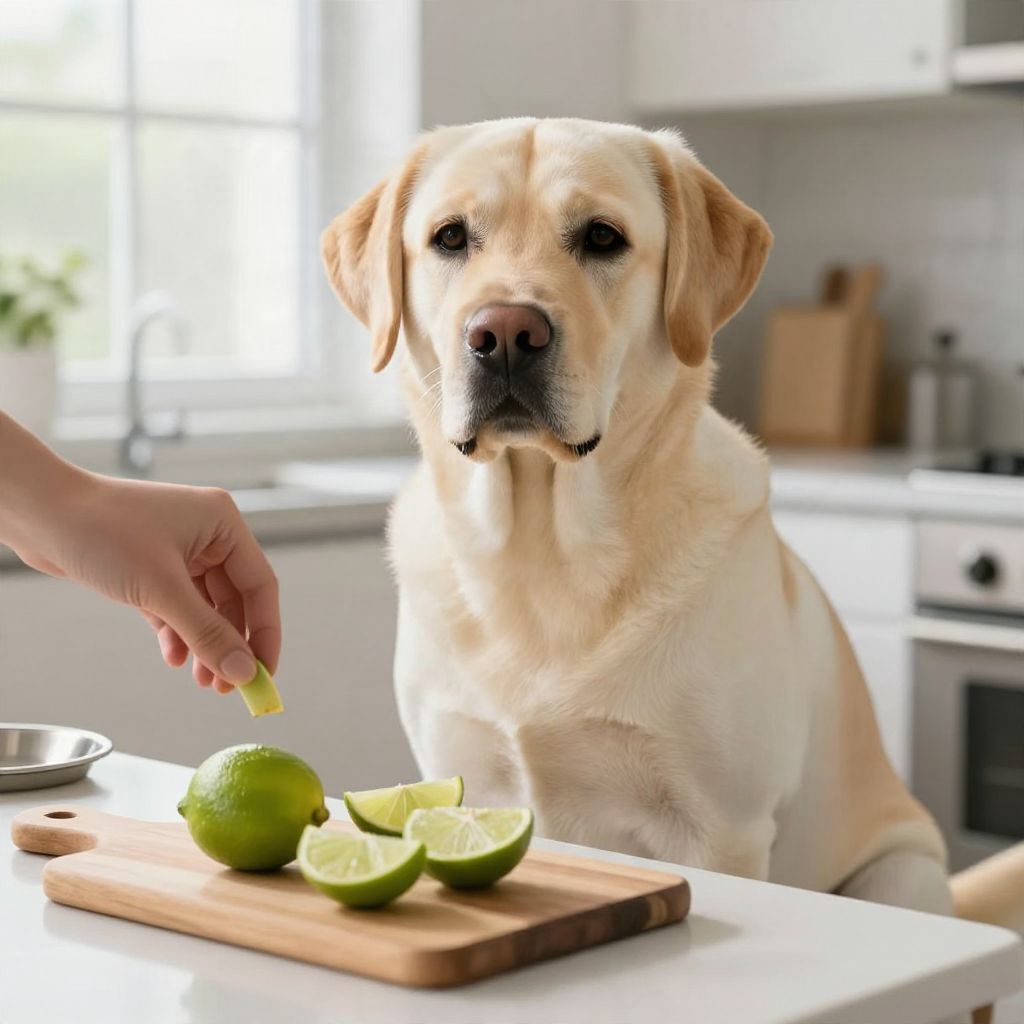
Can dogs have lime? In most cases, it’s best to avoid feeding lime to dogs. Small accidental tastes usually cause no major problem, but lime can upset the stomach, and the peel, seeds, and essential oils are more concerning than the fruit itself.
If your dog ate lime, the risk depends on how much was eaten, your dog’s size, and whether they swallowed peel, seeds, or anything with lime flavoring. Watch closely for vomiting, diarrhea, drooling, or signs of discomfort, and call your veterinarian if symptoms appear.
Can dogs have lime?
Dogs should not intentionally eat lime. A tiny lick of lime juice or a small bite of the flesh is unlikely to be dangerous for many dogs, but lime is acidic and can irritate the mouth and stomach. The peel, seeds, and concentrated lime oils are more likely to cause problems.
Why lime can be risky for dogs
Lime is not a healthy snack for dogs, and it is not a necessary part of their diet. The main concerns are digestive upset and exposure to more concentrated plant compounds in the peel, pith, and oils.
Stomach irritation
The acidity of lime can bother some dogs, especially those with sensitive stomachs, a history of vomiting, or a tendency toward digestive upset. Even if a dog seems fine at first, irritation can show up later as nausea, drooling, or loose stool.
Peel, pith, and seeds
Lime peel and the white pith are harder to digest than the fruit. Seeds can also be a choking hazard for smaller dogs or dogs that gulp food quickly. Large amounts of peel may contribute to vomiting or intestinal upset.
Essential oils and flavored products
Lime essential oil, concentrated flavoring, cleaning products, and drinks are more concerning than fresh fruit. These products can contain ingredients that are unsafe for dogs or irritating in very small amounts. If your dog licked a product with lime oil, contact your veterinarian promptly.
What happens if a dog eats lime?
Most mild exposures cause temporary digestive signs rather than severe illness. Still, you should monitor your dog carefully because symptoms can vary based on body size, age, and overall health.
- Vomiting
- Diarrhea
- Drooling
- Lip smacking or swallowing repeatedly
- Reduced appetite
- Mild belly discomfort
Some dogs may have no obvious reaction after a very small exposure. Others, especially puppies, toy breeds, seniors, or dogs with sensitive stomachs, may react more strongly to even a modest amount.
When lime is more likely to be a problem
Individual factors matter. A dog’s size, age, health status, and what exactly was eaten all affect the level of concern.
Puppies
Puppies have smaller bodies and less digestive reserve, so even a small amount of acidic or unfamiliar food can lead to vomiting or diarrhea. They are also more likely to chew on peels, seeds, or discarded wedges.
Small dogs
Small dogs can be affected by less food simply because their bodies are smaller. A few bites that might barely bother a larger dog may be enough to upset a small dog’s stomach.
Dogs with sensitive stomachs or medical conditions
If your dog already has gastrointestinal disease, pancreatitis, food intolerance, or a history of repeated vomiting, it is safer to avoid lime entirely. Dogs taking medications or recovering from illness may also be more vulnerable to stomach upset.
What to do if your dog ate lime
Stay calm and figure out what was eaten. The exact response depends on whether your dog had a small taste of fruit, swallowed peel or seeds, or licked a lime-flavored product.
- Remove any remaining lime or product from reach.
- Check whether your dog ate fruit, peel, seeds, juice, or a flavored item.
- Offer fresh water.
- Monitor for vomiting, diarrhea, drooling, or unusual behavior.
- Call your veterinarian if your dog ate a large amount, swallowed peel or seeds, or shows any symptoms.
Do not try to make your dog vomit unless a veterinarian specifically tells you to do so. Home remedies can make some situations worse, especially if the exposure involved oils, drinks, or other mixed ingredients.
Red-flag signs that need urgent veterinary care
Most mild lime exposures are not emergencies, but some signs mean your dog needs prompt veterinary attention. Seek urgent care if you notice any of the following:
- Repeated vomiting
- Severe diarrhea or diarrhea with blood
- Swollen belly or obvious abdominal pain
- Weakness, collapse, or extreme lethargy
- Tremors, seizures, or trouble walking
- Difficulty breathing
- Known ingestion of lime essential oil or a cleaning product
- Choking, gagging, or trouble swallowing after eating peel or seeds
If your dog is a puppy, very small, elderly, or already ill, contact a veterinarian sooner rather than later, even if the signs seem mild.
Are lime-flavored foods safe for dogs?
Usually not. Many lime-flavored human foods contain sugar, salt, alcohol, xylitol, caffeine, onions, or other ingredients that are unsafe for dogs. The lime itself may not be the biggest issue.
Examples to avoid
- Lime candies and gummies
- Lime pies, cakes, and desserts
- Cocktails or mixers with alcohol
- Salsa, marinades, or spicy foods with lime
- Drinks sweetened with artificial sweeteners
- Products containing lime essential oil
When in doubt, treat flavored human foods as unsafe unless your veterinarian has said otherwise.
Can dogs have lime juice?
Small accidental licks of plain lime juice are less concerning than concentrated products, but lime juice is still acidic and can irritate the stomach. It is not a good treat and should not be offered on purpose.
Juice mixed into drinks or recipes is more difficult to assess because of the other ingredients. If your dog drank a beverage with lime, check the full ingredient list and call your veterinarian if anything toxic may be included.
Can dogs have lime peel or seeds?
It’s safer to say no. Lime peel is harder to digest and more likely to cause stomach upset than the flesh. Seeds can be a choking hazard and may irritate the digestive tract if swallowed in quantity.
If your dog likes scavenging from the trash or counters, keep peels and leftover wedges out of reach. Many accidental exposures happen when dogs find discarded fruit or drink garnishes.
Safer ways to treat your dog
If you want to give your dog a special snack, choose dog-safe options instead of citrus. The best treat is one that fits your dog’s regular diet and doesn’t upset their stomach.
- Small pieces of plain cooked carrot
- Plain cucumber slices
- Dog treats made for their size and diet
- Frozen dog-safe treats approved by your veterinarian
Keep treats to a small part of your dog’s daily calories, especially if your dog is overweight, has diabetes, or has a sensitive digestive system.
How to prevent accidental lime exposure
Prevention is simple and often easier than dealing with stomach upset later. A few household habits can reduce the chance of your dog getting into citrus foods or products.
- Keep limes, peels, and garnishes off counters and tables.
- Use covered trash cans.
- Store drinks and food containers where your dog cannot reach them.
- Keep essential oils and cleaning products secured.
- Teach a reliable “leave it” cue using reward-based training.
If your dog is especially food-motivated, management matters as much as training. Supervision around kitchen prep and outdoor gatherings can prevent many accidents.
What your veterinarian may ask
If you call for advice, be ready to share the details of the exposure. Clear information helps the veterinary team decide whether home monitoring is enough or whether your dog needs an exam.
- Your dog’s weight and age
- What was eaten: fruit, peel, seeds, juice, or a product
- How much was eaten
- When it happened
- Any symptoms so far
- Any other ingredients involved
This is especially important if the lime was part of a mixed food, drink, or cleaning product, because the other ingredients may be more dangerous than the lime itself.
The bottom line
Can dogs have lime? It’s best not to feed it intentionally. A tiny accidental taste may only cause mild stomach upset, but peel, seeds, essential oils, and lime-flavored products can be more concerning. If your dog ate lime and develops vomiting, diarrhea, drooling, or any red-flag symptoms, contact your veterinarian right away.
If you want more help with digestive upset in dogs, you may also find what to give a dog with an upset stomach and what can you give a dog for diarrhea useful for next steps.