
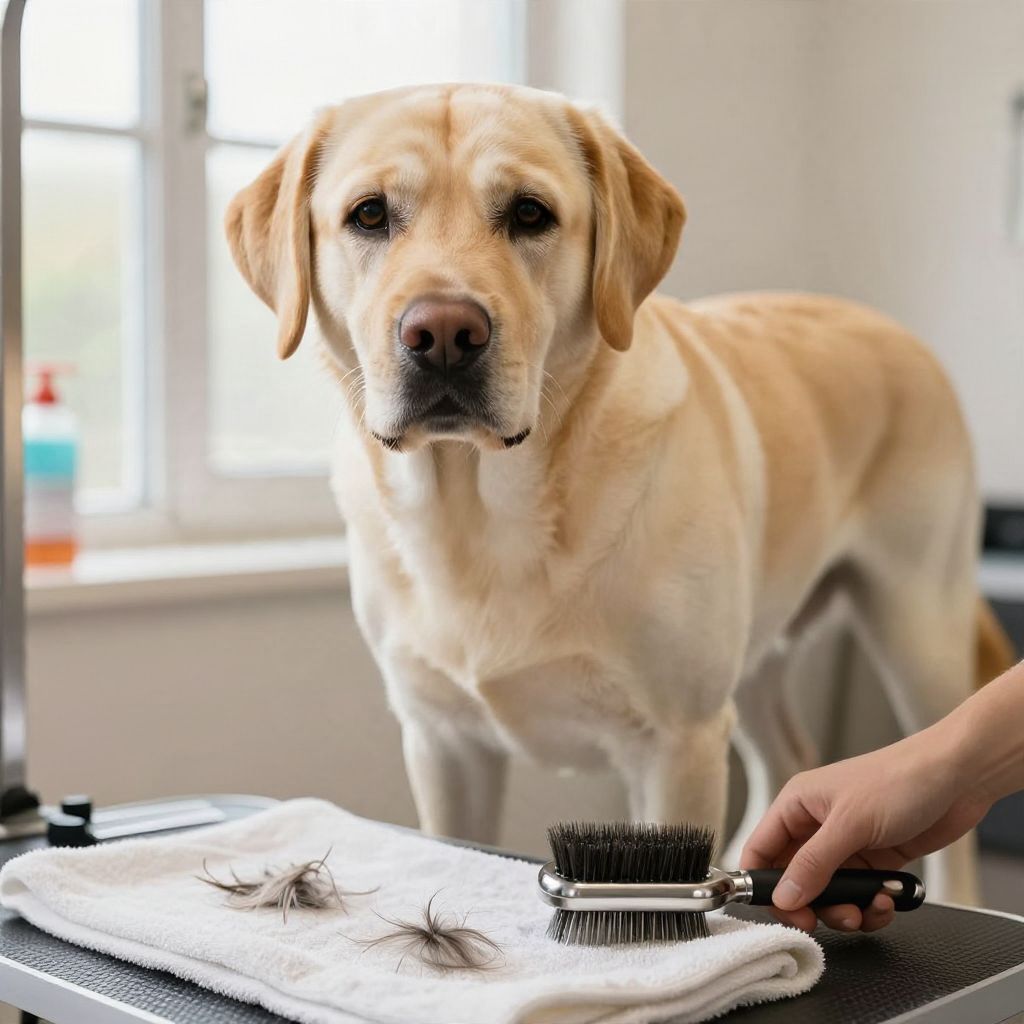
Do dog whiskers grow back if they’re cut, broken, or shed? In most healthy dogs, yes—whiskers usually regrow over time. But they are important sensory hairs, so trimming them is not recommended unless a veterinarian has a specific medical reason.
If your dog has lost whiskers, the main job is to protect the area and watch for irritation, injury, or other signs that something else is going on. Most cases are harmless, but sudden or repeated whisker loss can sometimes point to a skin or health issue.
Do Dog Whiskers Grow Back?
Yes. Dog whiskers usually grow back after being cut, broken, or naturally shed, as long as the hair follicle is healthy. Regrowth often takes weeks to months. If the skin is damaged, inflamed, or infected, whiskers may regrow more slowly or unevenly, so a vet check is wise if loss is frequent.
What Dog Whiskers Do
Whiskers are not just long hairs. They are specialized touch sensors that help dogs judge space, detect nearby objects, and gather information about the world around them.
Why whiskers matter
- They help dogs sense objects close to the face.
- They can support navigation in dim light or tight spaces.
- They may help dogs protect the eyes, muzzle, and face from contact.
- They give your dog extra sensory input when exploring.
Because whiskers serve a sensory role, cutting them can temporarily make some dogs less confident or more cautious, especially in unfamiliar places. Not every dog shows obvious changes, but the hair should still be treated as important.
What Causes Whiskers to Fall Out or Break?
Some whisker loss is normal. Dogs naturally shed hair, and whiskers can break during play, rubbing, grooming, or rough contact with objects.
Common harmless reasons
- Natural shedding and replacement
- Accidental breakage during play or crate contact
- Grooming tools catching the whiskers
- Face rubbing on bedding, fences, or furniture
Possible medical reasons
- Skin irritation or allergies
- Fungal or bacterial skin infection
- Parasites affecting the face or muzzle
- Trauma to the whisker follicles
- Hormonal or immune-related skin disease
If the whiskers are falling out along with redness, itching, scabs, hair loss elsewhere, or a change in your dog’s behavior, the cause may be more than simple shedding.
How Long Does It Take for Whiskers to Regrow?
Regrowth varies by dog, age, and overall health. Some whiskers start to return fairly quickly, while others take longer to reach full length. Puppies and healthy adult dogs often regrow hair more predictably than older dogs or dogs with skin disease.
It is normal if the new whisker seems short, white, bent, or uneven at first. Hair growth is not perfectly synchronized, so you may see some whiskers return before others.
Should You Trim a Dog’s Whiskers?
In general, no. Most dogs do not need their whiskers trimmed, and routine cutting is usually unnecessary. Groomers should avoid removing them unless there is a clear medical or safety reason.
When trimming might be discussed
- Only if a veterinarian recommends it for a medical procedure or specific treatment
- When a wound or skin condition requires careful management
- When a dog’s grooming plan is being adjusted under professional guidance
For everyday grooming, it is safer to leave whiskers alone. If you are unsure whether your dog’s grooming style is affecting whiskers, ask a qualified groomer or veterinarian to review it.
What to Do If Your Dog’s Whiskers Were Accidentally Cut
If the whiskers were clipped during grooming, try not to panic. In most healthy dogs, they will grow back. The main concern is preventing further irritation while the follicles recover.
- Stop any grooming that is pulling or irritating the muzzle.
- Check the skin for redness, cuts, swelling, or discharge.
- Keep your dog from rubbing the face on rough surfaces.
- Monitor for changes in confidence, bumping into things, or face sensitivity.
- Contact your veterinarian if the skin looks inflamed or the loss keeps happening.
Do not apply human creams, antiseptics, or home remedies unless your veterinarian tells you to. The wrong product can irritate the skin or be unsafe if licked.
When Whisker Loss Is a Red Flag
Whisker loss by itself is often minor, but certain signs suggest a skin problem or other health issue. These cases deserve veterinary attention rather than simple watchful waiting.
Call your vet soon if you notice
- Repeated whisker loss in the same area
- Redness, crusting, swelling, or pimples around the muzzle
- Itching, face rubbing, or frequent scratching
- Hair loss on other parts of the body
- Bad odor from the skin
- Changes in appetite, energy, or behavior
Seek urgent veterinary care if your dog has
- Facial swelling that appears quickly
- Bleeding, deep cuts, or obvious trauma to the face
- Eye injury or squinting after whisker damage
- Difficulty breathing
- Severe pain, marked lethargy, or collapse
Those signs are not typical “whisker regrowth” issues and may indicate an emergency.
How Breed, Age, and Health Can Affect Regrowth
Whisker regrowth is not identical in every dog. Some dogs recover quickly, while others take longer depending on individual factors.
- Breed and coat type: Some dogs have very noticeable whiskers, while others have finer facial hair. The amount and appearance of regrowth can vary.
- Age: Puppies and younger dogs may regrow hair more quickly than seniors.
- Health: Skin disease, poor nutrition, hormonal problems, or chronic illness can slow regrowth.
- Grooming history: Repeated clipping or rough handling can irritate the area.
- Temperament: A nervous dog may rub the face more, which can delay recovery.
Because these factors differ from one dog to another, it is better to watch the individual dog than assume all dogs will respond the same way.
How to Protect Your Dog’s Whiskers
You can reduce whisker damage with a few simple habits during grooming and daily care.
- Tell your groomer not to trim whiskers unless medically necessary.
- Use gentle brushing around the muzzle.
- Choose bowls and crates that do not force constant face rubbing.
- Check for mats or debris near the muzzle after outdoor play.
- Keep your dog’s skin healthy with regular veterinary care and parasite prevention.
If your dog is sensitive about facial handling, use reward-based training to help them tolerate gentle touch. Short, positive sessions are safer and more effective than forcing the issue.
Common Mistakes to Avoid
When people worry about whiskers, they sometimes overcorrect. A few common mistakes can make things worse.
- Trimming whiskers “for neatness” without a medical reason
- Ignoring repeated whisker loss because it seems minor
- Using harsh grooming tools around the face
- Applying human skin products without veterinary advice
- Assuming all facial hair loss is normal shedding
If you are unsure whether your dog’s whisker loss is normal, it is safer to ask a veterinarian than to guess.
What to Expect After Whiskers Grow Back
Once regrowth begins, the whiskers should gradually return to their usual function. Your dog may seem more comfortable as the hairs lengthen, especially if they were clipped very short.
Still, if your dog continues to bump into things, seems unusually anxious, or keeps rubbing the face, the problem may not be the whiskers alone. That is a good reason to schedule a veterinary exam.
Bottom Line
Do dog whiskers grow back? Usually yes, and most dogs regrow them without any special treatment. The important part is to avoid unnecessary trimming, protect the face from irritation, and watch for signs of skin disease or injury. If the loss is repeated or comes with other symptoms, contact your veterinarian.
If you want to learn more about related dog-care topics, you may also find it helpful to read about why dogs lick their lips and why dogs shed.