
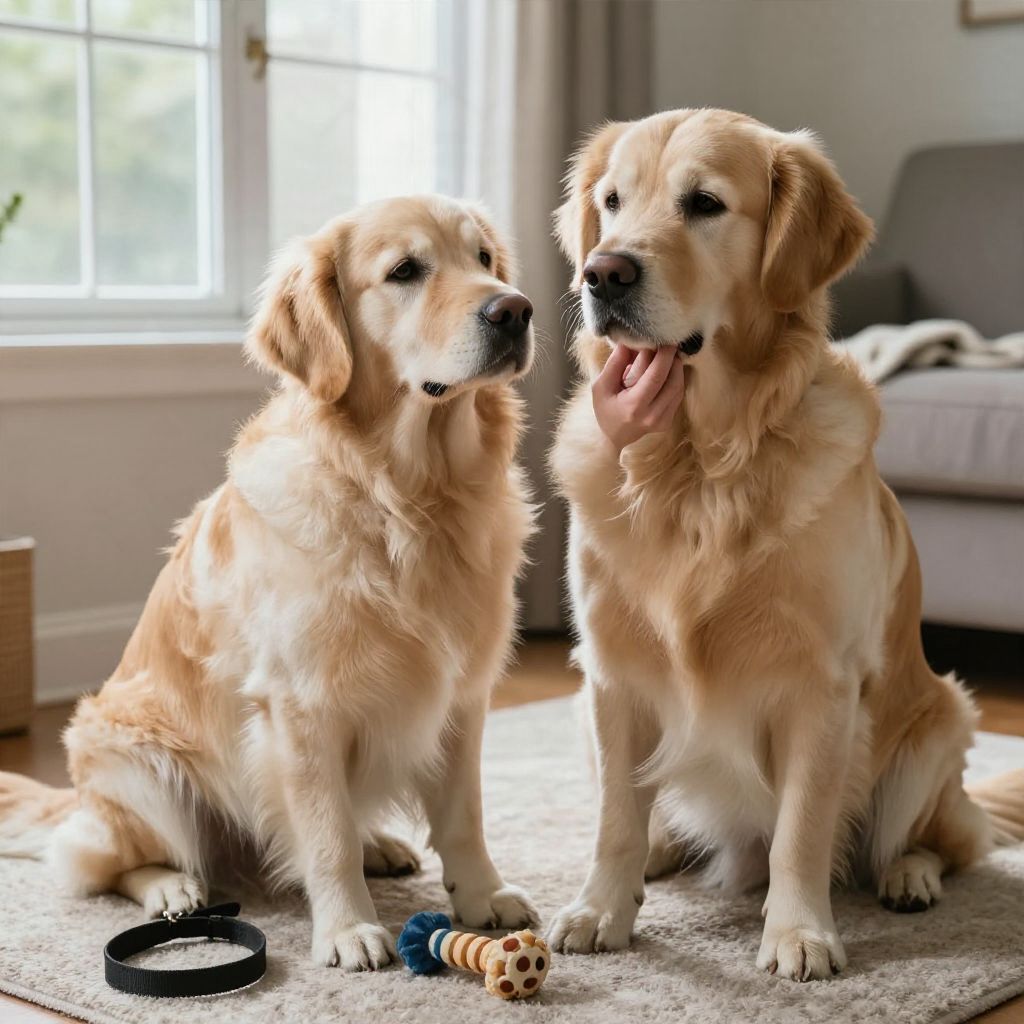
If you’re wondering how to tell your dog you love them, the answer is mostly through actions, not words. Dogs read your tone, body language, routine, and how safe and comfortable they feel with you.
The best way to show love is to meet your dog’s needs consistently: gentle attention, predictable care, positive training, play, rest, and respect for their boundaries. What feels loving varies by dog, age, health, and temperament.
How do you tell your dog you love them?
You tell your dog you love them by making life feel safe, rewarding, and predictable. Use calm praise, kind touch if they enjoy it, daily exercise, enrichment, and reward-based training. Pay attention to your dog’s preferences, because some dogs love cuddles while others prefer space, play, or quiet companionship.
Step-by-step ways to show your dog love
1. Learn what your dog actually enjoys
Not every dog likes the same kind of affection. Some lean into petting, some prefer toys, and some show love by following you from room to room.
- Notice whether your dog relaxes, leans in, or seeks more contact.
- Watch for signs of discomfort such as turning away, lip licking, freezing, or moving off.
- Respect your dog’s “no” so they can trust you more.
2. Use calm, friendly body language
Dogs often respond better to soft, relaxed behavior than to big, intense gestures. A gentle voice, loose posture, and slow movements can feel reassuring.
- Approach from the side rather than looming over your dog.
- Let your dog come to you when possible.
- Pair your presence with good things like treats, play, or quiet company.
3. Give affection in a way your dog likes
Petting can be loving, but only if your dog enjoys it. Many dogs prefer chest rubs, shoulder scratches, or brief gentle touch over hugging or face-to-face contact.
- Start with a short petting session.
- Pause and see if your dog asks for more.
- Stop if your dog stiffens, moves away, or looks uneasy.
4. Spend quality time together
Time with you is one of the clearest ways to tell your dog you love them. That might mean a walk, a training game, a sniffing session, or simply sitting nearby while they rest.
- Choose activities your dog can comfortably handle.
- Mix physical exercise with mental enrichment.
- Keep routines predictable, especially for puppies and anxious dogs.
5. Use positive reinforcement training
Training is a powerful way to build trust. Reward-based methods help your dog learn without fear, and they often strengthen your bond.
- Reward behaviors you want with treats, praise, or play.
- Keep sessions short and upbeat.
- Avoid yelling, intimidation, leash jerks, or punishment-based methods.
6. Meet your dog’s daily needs
One of the most loving things you can do is provide consistent care. Food, fresh water, rest, grooming, exercise, and veterinary care all communicate that your dog matters.
- Feed a balanced diet appropriate for your dog’s life stage.
- Keep water available and clean.
- Maintain parasite prevention, vaccines, and wellness checks as your veterinarian recommends.
7. Give your dog choices
Choice is a form of kindness. Letting your dog decide whether to interact, which toy to chase, or where to rest can reduce stress and build confidence.
- Offer two toys instead of one.
- Allow your dog to walk away from affection.
- Use a crate or bed as a safe retreat, never as punishment.
8. Provide enrichment, not just attention
Dogs need more than cuddles. Sniffing, chewing, problem-solving, and exploring are all mentally satisfying and can reduce boredom-related behavior.
- Use puzzle feeders or scatter feeding when appropriate.
- Rotate toys to keep them interesting.
- Offer sniff walks where your dog can explore at their own pace.
Signs your dog feels loved
A dog who feels secure often shows relaxed, open behavior. They may seek you out, settle near you, or respond eagerly to your presence.
- Loose body posture
- Soft eyes and relaxed ears
- Approaching you voluntarily
- Playful behavior
- Calm resting near you
Keep in mind that shy, older, fearful, or medically unwell dogs may show affection more quietly. A lack of exuberance does not always mean a lack of trust.
What not to do when showing love
Some common “affection” habits can actually make dogs uncomfortable. Love should feel safe, not overwhelming.
- Do not force hugs if your dog resists them.
- Do not kiss your dog’s face if they dislike it or if it puts you near their teeth.
- Do not crowd, chase, or trap your dog for attention.
- Do not use punishment and call it training.
- Do not ignore pain, fear, or stress signals.
How to tell your dog you love them based on their age and personality
Puppies
Puppies benefit from gentle handling, short training sessions, and lots of positive experiences. Love for a puppy means patience, consistency, and safe socialization.
- Keep interactions brief and positive.
- Reward calm behavior and gentle handling.
- Protect them from overwhelming situations.
Adult dogs
Adult dogs often do best with routine, exercise, and clear communication. Many thrive when you combine affection with structure and enrichment.
- Stick to predictable mealtimes and walks.
- Practice skills that make daily life easier.
- Make time for the activities your dog enjoys most.
Senior dogs
Older dogs may need a softer approach. Love may mean more comfort, easier movement, and closer attention to health changes.
- Offer supportive bedding and easy access to water.
- Adjust exercise to match mobility and stamina.
- Ask your veterinarian about stiffness, appetite changes, or confusion.
When affection changes into a health concern
If your dog suddenly avoids touch, seems withdrawn, or becomes irritable when handled, pain or illness could be involved. A dog who seems less affectionate than usual may need a veterinary exam.
- New sensitivity to petting or being picked up
- Sudden hiding or withdrawal
- Changes in appetite, energy, or mobility
- Growling, snapping, or guarding that is new or worsening
Seek prompt veterinary care if your dog has trouble breathing, collapses, has severe pain, repeated vomiting, a bloated abdomen, seizures, or sudden weakness. These are urgent signs, not normal behavior changes.
Practical ways to build a stronger bond every day
You do not need grand gestures to tell your dog you love them. Small, consistent habits often matter most.
- Greet your dog calmly and warmly.
- Give them a chance to choose contact.
- Use reward-based training during daily routines.
- Make time for exercise and sniffing.
- Keep their environment safe and predictable.
- Watch for what they enjoy and repeat it.
Common mistakes people make
Many owners mean well but accidentally ignore their dog’s preferences. Avoiding these mistakes can make your dog feel more secure.
- Assuming every dog likes kisses or hugs
- Using the same affection style for every dog
- Confusing excitement with comfort
- Skipping training and enrichment
- Missing signs of pain or stress
Final thoughts
The best way to tell your dog you love them is to be the person who makes them feel safe, understood, and well cared for. Learn your dog’s preferences, respect their boundaries, and meet their physical and emotional needs every day.
If you want to learn more about canine affection and communication, you may also find these helpful: how dogs show affection and whether dogs know what kisses are.