
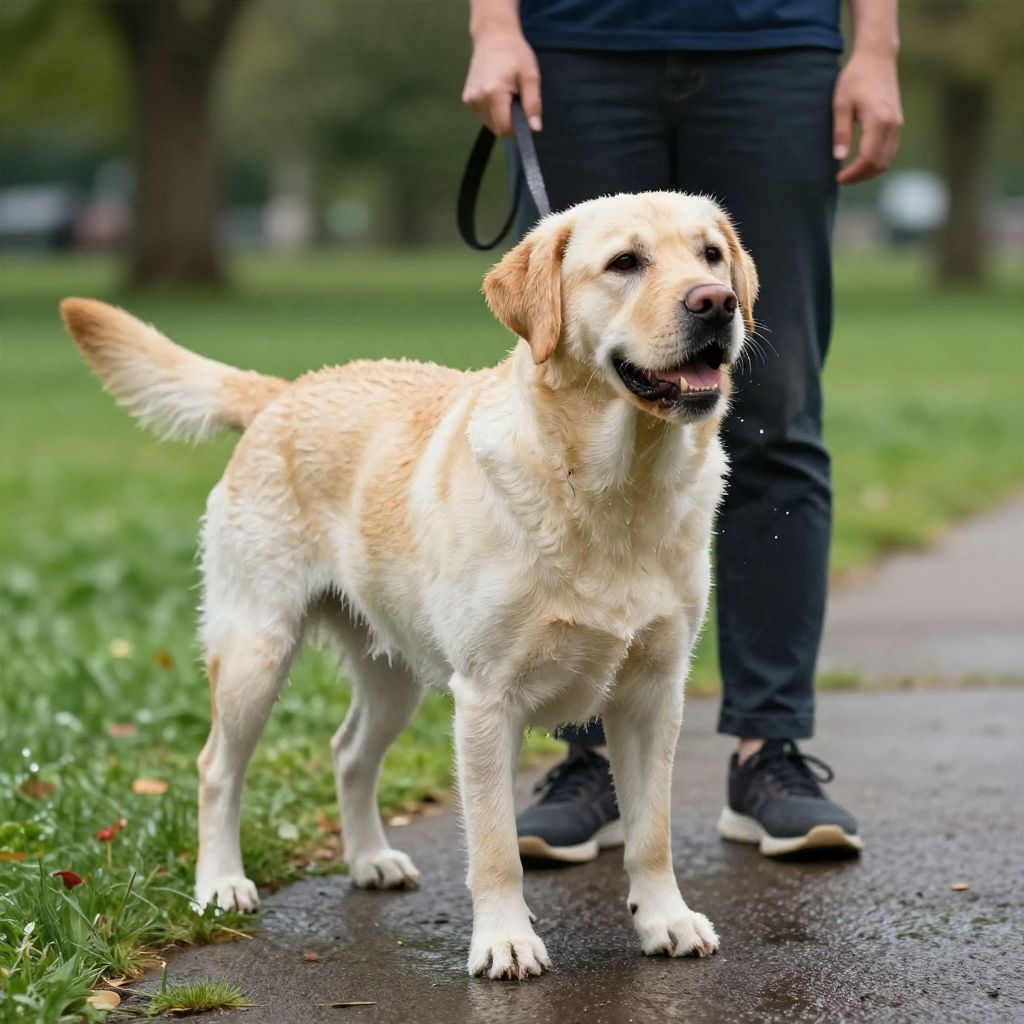
Why do dogs shake their bodies? In many cases, it is a normal way to reset after being wet, uncomfortable, excited, or overstimulated. A quick full-body shake can also help a dog settle after a change in posture, a stressful moment, or a brief itch.
But frequent, forceful, or unexplained shaking can sometimes point to pain, skin irritation, ear problems, nausea, or a more serious medical issue. The context matters, and so do your dog’s age, breed, health history, and any other symptoms you notice.
Why do dogs shake their bodies?
Dogs shake their bodies to remove water, debris, or loose fur, and to relieve mild discomfort or tension. Occasional shaking is usually normal. If shaking is repeated, sudden, or paired with pain, head tilting, vomiting, weakness, or scratching, your dog should be checked by a veterinarian.
Common reasons dogs shake their bodies
1. They are wet
This is the most familiar reason. After rain, a bath, a swim, or even damp grass, many dogs shake from head to tail to remove water quickly.
Some dogs shake more vigorously than others, but the behavior itself is normal. Short-haired dogs, long-haired dogs, and dogs with thick coats may all shake after getting wet, though the amount of water they hold can differ.
2. They are trying to dislodge something
A dog may shake after getting dirt, sand, grass seeds, or debris on the coat or in the ears. This can be a simple self-cleaning response.
If the shaking starts after a walk in tall grass or at the beach, check the coat, paws, and ears for irritation, tangles, or foreign material.
3. They feel itchy or mildly irritated
Skin itch from allergies, dry skin, fleas, or a minor irritation can prompt a full-body shake. Dogs may also shake after rubbing against furniture, rolling on the floor, or scratching an itchy spot.
Look for other clues such as licking, chewing, dandruff, redness, or small bumps. Ongoing itchiness deserves veterinary attention, especially if it is affecting sleep or causing hair loss.
4. They are excited, stressed, or overstimulated
Some dogs shake after greeting people, coming out of the crate, finishing a training session, or leaving a stressful situation. In these cases, the shake can be a normal “reset” behavior.
Individual temperament matters. A confident dog may shake off excitement, while a more sensitive dog may shake after a noisy event, a vet visit, or a conflict with another dog.
5. They are releasing tension after a brief scare
Dogs sometimes shake after a startling sound, a slip on the floor, or a minor social interaction they found uncomfortable. This can be a healthy way to let off tension.
If the shaking is brief and your dog quickly returns to normal behavior, it is often not a concern. If your dog seems fearful, withdrawn, or unable to settle, look at the bigger pattern rather than the single shake.
6. They may be nauseous or unwell
Shaking can happen when a dog feels sick, especially if nausea, abdominal discomfort, fever, or weakness is present. It may also occur with pain, ear disease, or neurologic problems.
When shaking is not linked to wetness, excitement, or a clear trigger, and your dog seems “off,” it is wise to call your veterinarian for guidance.
When shaking is normal versus when it is a warning sign
A normal shake is usually brief, purposeful, and tied to a clear situation, such as being wet or startled. Your dog then goes back to normal activity, posture, and appetite.
Shaking becomes more concerning when it is frequent, intense, or paired with other symptoms. Pay closer attention if you notice any of the following:
- Head tilting or loss of balance
- Repeated scratching at the ears or body
- Whining, restlessness, or signs of pain
- Vomiting, diarrhea, or drooling
- Weakness, collapse, or trembling
- Red, swollen, or smelly ears
- Stiffness, limping, or trouble standing up
- Shaking that happens at rest and does not stop
What to do if your dog is shaking their body
Start with a quick check
Think about what happened right before the shaking started. Did your dog get wet, go outside, meet new dogs, hear fireworks, or scratch at a specific area?
Then look for obvious issues:
- Wet fur or mud
- Something stuck in the coat or paws
- Redness, swelling, or a bad smell from the ears
- Signs of pain when touched
- Vomiting, drooling, or unusual tiredness
Give your dog a calm, safe space
If the shaking seems related to stress or overstimulation, reduce noise and activity. Let your dog settle in a quiet area with water and a familiar resting spot.
Use calm, predictable handling. Avoid crowding, forcing interaction, or adding more stimulation if your dog is already uneasy.
Dry and groom appropriately
If your dog is shaking because they are wet, towel-dry them and brush out tangles if needed. For dogs with longer coats, make sure moisture is not trapped against the skin, since that can contribute to irritation.
Regular grooming can also help you spot fleas, skin redness, mats, or small wounds before they become bigger problems.
Monitor for patterns
If shaking happens often, keep a simple note of when it occurs, how long it lasts, and what else you observe. Patterns can help your veterinarian identify triggers such as allergies, ear infections, anxiety, or pain.
Possible health causes that need veterinary attention
Ear problems
Ear infections, ear mites, or trapped debris can make a dog shake their head and body repeatedly. You may also see scratching, odor, discharge, or sensitivity around the ears.
Because ear issues can worsen quickly and may be painful, they should be evaluated by a veterinarian rather than treated casually at home.
Skin allergies or parasites
Dogs with allergies may shake after itching or rubbing. Fleas, mites, and other parasites can also cause repeated shaking, scratching, and discomfort.
If your dog is scratching a lot, losing fur, or developing scabs, schedule a veterinary visit. The right treatment depends on the cause.
Pain or musculoskeletal discomfort
Some dogs shake their bodies when they are sore, stiff, or trying to adjust after movement. Older dogs and dogs with arthritis may show subtle signs rather than obvious limping.
If your dog seems reluctant to jump, climb stairs, or be touched in certain areas, pain could be part of the picture.
Neurologic or systemic illness
Less commonly, shaking can be linked to neurologic disease, fever, toxin exposure, or another internal problem. These causes are more likely when shaking is persistent or accompanied by abnormal behavior.
Because these conditions can be serious, do not try to guess at the cause if your dog also seems weak, disoriented, or unwell.
When to seek urgent veterinary care
Some shaking situations should be treated as urgent. Contact a veterinarian right away, or seek emergency care, if your dog has any of these red flags:
- Collapse, severe weakness, or inability to stand
- Seizure-like activity or loss of consciousness
- Repeated vomiting or severe diarrhea
- Signs of breathing trouble
- A swollen face, hives, or sudden severe itching
- Suspected toxin exposure or ingestion of something dangerous
- Severe pain, crying, or a suddenly hunched posture
- Head tilt, circling, or loss of balance
Do not wait if the shaking is intense and your dog is also acting sick. Rapid changes can signal a problem that needs prompt care.
How age, size, and temperament can affect body shaking
Age and individual temperament can change how often a dog shakes and what it means. Puppies may shake after excitement, play, or a new experience, while senior dogs may shake more because of stiffness, discomfort, or underlying illness.
Small dogs sometimes appear to tremble more noticeably because their body size makes movement easier to see, but visible shaking is not automatically normal just because a dog is small. Likewise, a calm dog and a highly sensitive dog may react very differently to the same trigger.
What not to do
- Do not assume every shake is “just nerves.”
- Do not punish your dog for shaking or fear-based behavior.
- Do not put anything into the ears unless your veterinarian has instructed you to do so.
- Do not delay care if shaking comes with pain, vomiting, weakness, or balance problems.
- Do not use human medications unless a veterinarian specifically tells you to.
How to help prevent unnecessary shaking
You cannot prevent every shake, and you do not need to. But you can reduce common triggers and catch problems earlier.
- Keep up with flea and parasite prevention as recommended by your veterinarian.
- Dry your dog well after baths, swims, or rainy walks.
- Check ears and coat regularly for odor, redness, debris, and mats.
- Use gentle, reward-based training to lower stress during handling and grooming.
- Provide predictable routines if your dog is sensitive to noise or change.
- Schedule veterinary checks if shaking becomes frequent or unexplained.
Bottom line
Why do dogs shake their bodies? Most often, it is a normal way to shake off water, debris, excitement, or tension. The key is to look at the context and watch for other symptoms. If the shaking is frequent, unexplained, or paired with pain, illness, or balance changes, contact your veterinarian.
If you want to learn more about related signs, you may also find these helpful: why dogs shake and pant and why dogs lick their lips.