
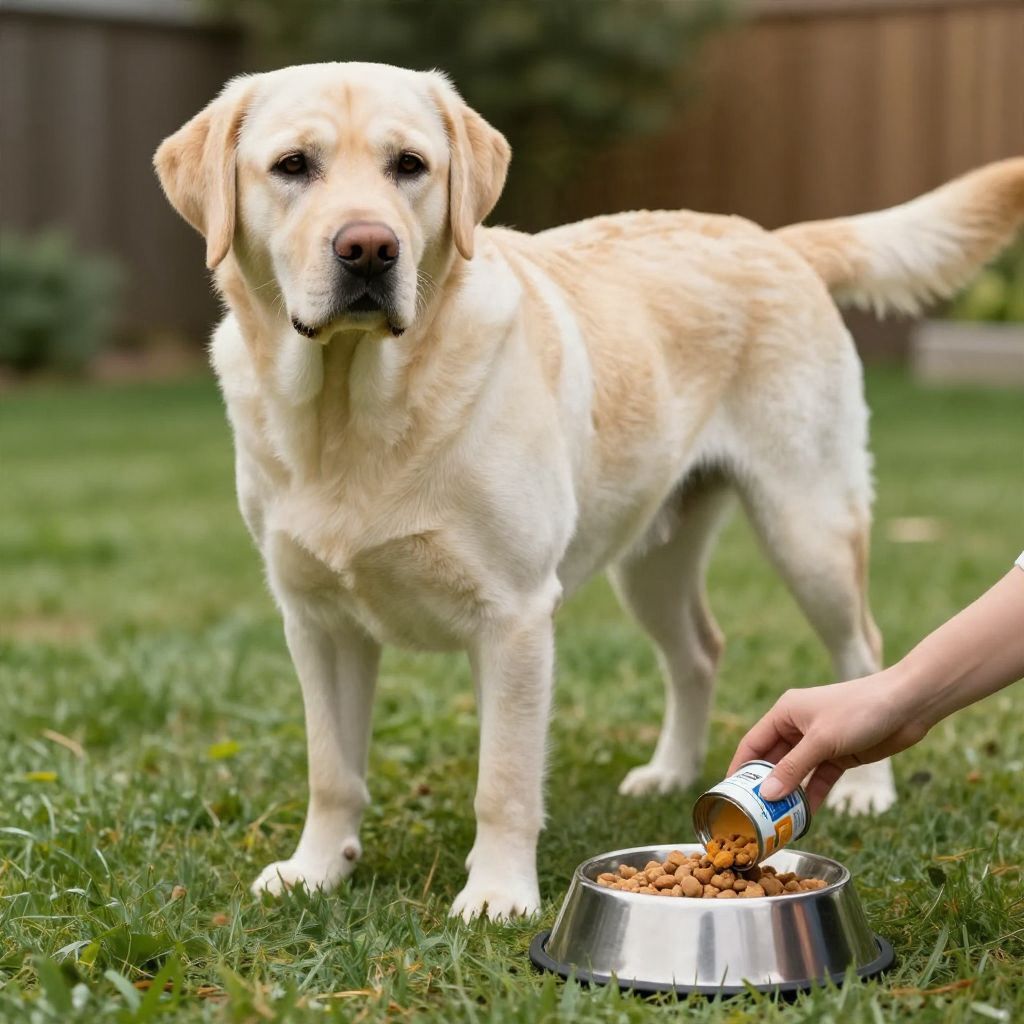
How to firm up dog poop depends on the cause, but the safest first steps are usually simple: review recent diet changes, pause rich treats, make sure your dog stays hydrated, and monitor for other symptoms. Mild loose stool often improves with careful feeding and time, but ongoing diarrhea needs veterinary attention.
If your dog’s poop is soft, mushy, or unformed, the goal is to support the gut without masking a bigger problem. The right approach varies with age, diet, breed size, stress level, and health history, so watch closely for warning signs and call your vet when symptoms are severe or persistent.
How to firm up dog poop?
To firm up dog poop, start by simplifying your dog’s diet, offering bland vet-approved food if needed, keeping fresh water available, and avoiding treats, table scraps, and sudden diet changes. Add fiber only when appropriate, and contact your veterinarian if loose stool lasts more than a day or comes with vomiting, lethargy, blood, or pain.
Step-by-step: what to do first
Loose stool can happen after dietary indiscretion, stress, parasites, infections, food intolerance, or a medical condition. A calm, structured response helps you figure out whether the problem is temporary or needs veterinary care.
- Check for red flags. If your dog is weak, vomiting repeatedly, straining, has bloody stool, a swollen abdomen, or seems dehydrated, seek urgent veterinary care.
- Review the last 48 hours. Think about new food, chews, garbage, table scraps, treats, medications, boarding, travel, or stress.
- Keep water available. Loose stool can dehydrate dogs quickly, especially puppies, seniors, and small dogs.
- Pause rich extras. Stop fatty treats, table food, and flavored chews while you stabilize the digestive tract.
- Feed a consistent, gentle diet. If your veterinarian has previously recommended a bland diet or digestive-support food, follow that guidance.
- Monitor stool and behavior. Note how often your dog is going, whether the stool is improving, and whether appetite and energy are normal.
Common reasons dog poop gets soft
Understanding the cause helps you choose the right fix. Some cases are minor and short-lived, while others need testing or treatment.
Diet-related causes
- Sudden food changes
- Too many treats or rich table scraps
- Fatty foods
- Eating garbage, compost, or spoiled food
- Food intolerance or sensitivity
Medical causes
- Parasites such as worms or protozoa
- Viral or bacterial intestinal infections
- Inflammatory bowel disease
- Pancreatitis
- Other digestive or systemic illness
Stress and routine changes
Some dogs get soft stool during boarding, travel, a move, a new pet in the home, or changes in exercise and sleep. Sensitive dogs may show digestive upset before they seem anxious in other ways.
Food changes that can help firm stool
Food is often the biggest factor in stool quality, but it helps to change it carefully. Dogs with sensitive stomachs usually do better with consistency than with frequent switching.
Keep meals simple
- Use the same balanced food your dog already tolerates well, unless your vet advises otherwise.
- Avoid mixing in multiple toppers, oils, or new treats while stool is loose.
- Do not make abrupt food changes unless your veterinarian tells you to do so.
Consider fiber carefully
Some dogs benefit from added fiber, but the right type and amount depends on the dog and the cause of the loose stool. Fiber can help certain cases, but too much may worsen gas or diarrhea.
- Ask your vet whether a fiber supplement is appropriate for your dog.
- Be especially cautious with puppies, toy breeds, and dogs with chronic digestive disease.
- Do not assume that more fiber is always better.
Use a vet-recommended bland diet when appropriate
A bland diet is sometimes used short term for mild digestive upset, but it is not a complete long-term diet. Your veterinarian can tell you whether this is suitable for your dog and how long to use it safely.
Hydration matters more than many owners realize
When stool is loose, fluid loss can become a bigger concern than the poop itself. Keeping your dog hydrated supports recovery and helps prevent complications.
- Offer fresh water at all times.
- Encourage drinking by placing water in a quiet, easy-to-reach spot.
- Watch for signs of dehydration such as dry gums, sunken eyes, weakness, or reduced urination.
If your dog refuses water, is vomiting, or seems dull and weak, contact a veterinarian promptly. Puppies and small dogs can worsen faster than healthy adult dogs.
What not to do when trying to firm up dog poop
It is easy to make loose stool worse by trying too many things at once. A simple, careful plan is usually safer and more effective.
- Do not give human anti-diarrhea medications unless a veterinarian specifically instructs you to do so.
- Do not keep changing foods every day to “test” what works.
- Do not use fatty, spicy, or heavily seasoned foods.
- Do not ignore blood, repeated vomiting, or pain.
- Do not assume soft stool is normal if it keeps happening.
When soft stool may be normal for a short time
Some dogs have a brief episode of loose stool after a mild diet mistake or a stressful event and then return to normal quickly. If your dog is otherwise bright, eating, drinking, and acting normally, careful monitoring for a short period may be reasonable.
That said, repeated loose stool is not something to dismiss. Frequent episodes can point to food intolerance, parasites, or a chronic digestive issue that needs diagnosis.
Age and size can change the risk
How concerned you should be depends partly on your dog’s life stage and body size. The same symptom can be more serious in one dog than another.
Puppies
Puppies can dehydrate quickly and are more vulnerable to parasites and infections. Loose stool in a puppy deserves a lower threshold for veterinary advice, especially if appetite drops or vomiting starts.
Adult dogs
Healthy adult dogs may tolerate a brief digestive upset better, but persistent diarrhea still needs evaluation. Recurrent episodes are a clue that something ongoing may be happening.
Senior dogs
Older dogs may have other health conditions, take medications, or recover more slowly. New stool changes in a senior dog should not be brushed off as “just age.”
Small dogs
Small dogs can become dehydrated more quickly and may be less able to handle prolonged digestive upset. Even a short bout of diarrhea can matter more in a tiny dog than in a larger one.
When you should call the vet
Contact your veterinarian if loose stool lasts more than 24 hours, keeps coming back, or is accompanied by other symptoms. Your vet may recommend a fecal test, diet trial, physical exam, or other diagnostics depending on the history.
- Blood in the stool
- Black, tarry stool
- Repeated vomiting
- Refusal to eat or drink
- Marked lethargy or weakness
- Abdominal pain or bloating
- Signs of dehydration
- Possible toxin, garbage, or foreign-body ingestion
Seek urgent care now if your dog collapses, has a swollen abdomen, cannot keep water down, or appears severely unwell. Those signs can signal a medical emergency.
How to prevent soft stool from coming back
Once your dog improves, prevention is about consistency and observation. A stable routine often helps sensitive stomachs more than frequent experimentation.
- Keep your dog on a consistent, complete diet.
- Introduce new foods slowly over several days if your vet approves a change.
- Limit rich treats and table scraps.
- Keep up with parasite prevention and routine fecal checks as recommended by your vet.
- Track which foods, chews, or situations seem to trigger digestive upset.
If your dog has repeated episodes, ask your veterinarian whether a prescription gastrointestinal diet, parasite testing, or a food trial makes sense. Chronic soft stool is often manageable, but it should be evaluated rather than guessed at.
Practical troubleshooting guide
If you are not sure what is causing the problem, use this simple filter.
- Recent food change? Return to the last well-tolerated diet and call your vet if symptoms continue.
- Stressful event? Keep the routine calm and consistent while monitoring closely.
- Scavenging or garbage access? Watch for vomiting, pain, or worsening diarrhea and call your vet if anything changes.
- Repeated loose stool with no clear cause? Schedule a veterinary exam and bring a fresh stool sample if requested.
Bottom line
To firm up dog poop, focus on consistency, hydration, and careful monitoring while avoiding sudden diet changes and risky home treatments. If the stool does not improve quickly, or if your dog shows any red-flag symptoms, contact your veterinarian for proper evaluation and treatment.
If you want more help with digestive upset, you may also find what you can give a dog for diarrhea and how to stop dog diarrhea useful for next steps.