
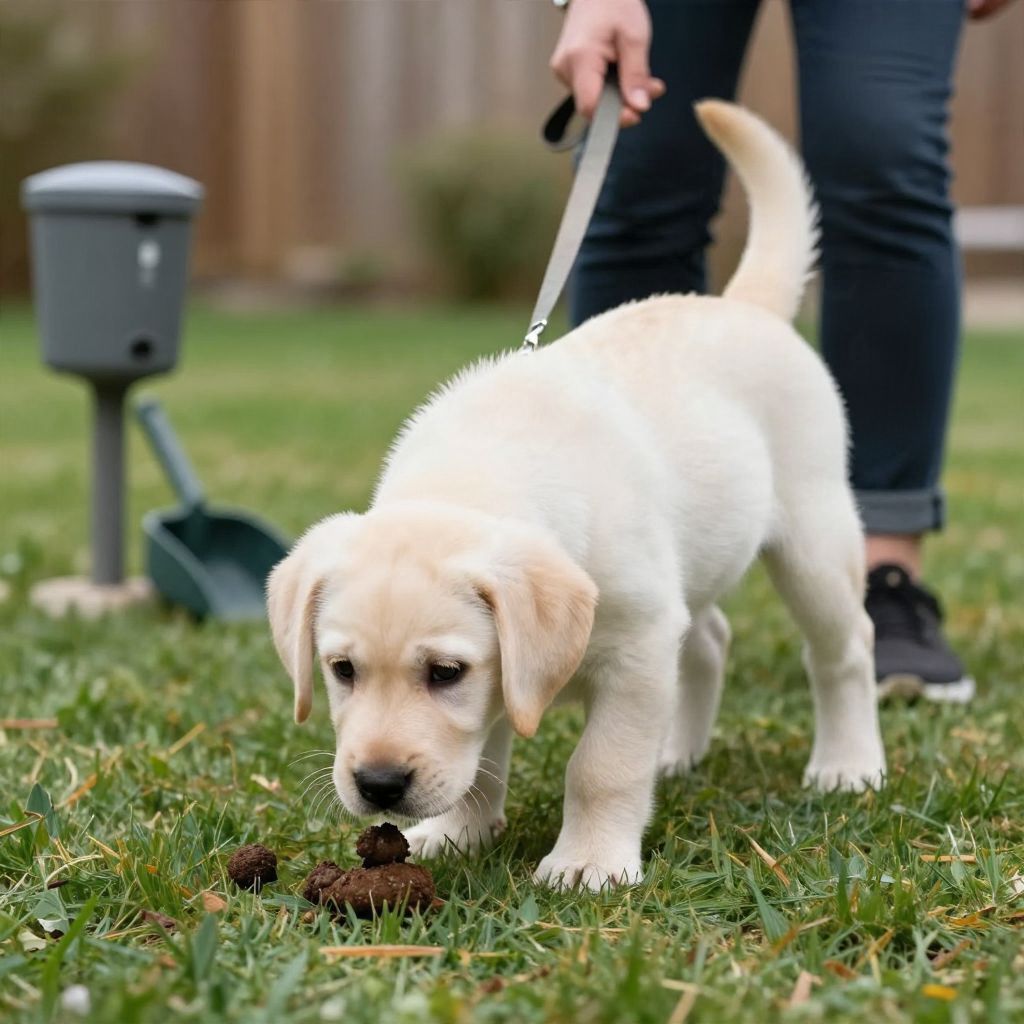
Why is my puppy eating poop? This behavior, called coprophagia, is fairly common in young dogs and can happen for several reasons, including curiosity, boredom, stress, hunger, or simply learning by exploring the world with their mouth.
Most puppies outgrow it with good management and training, but it is important to rule out medical causes and prevent repeat access to stool. If the habit is frequent, sudden, or paired with other symptoms, your veterinarian should help you sort out what is going on.
Why is my puppy eating poop?
Puppies may eat poop because they are curious, copying other dogs, trying to clean up an area, or reacting to hunger, stress, or poor digestion. Sometimes it is a normal puppy phase, but if it starts suddenly or comes with vomiting, diarrhea, weight loss, or a big appetite change, a vet check is important.
Common reasons puppies eat poop
There is usually no single cause. In many puppies, the behavior is a mix of instinct, opportunity, and reinforcement from the environment.
Normal puppy curiosity
Puppies explore with their mouths. Stool can simply be another object they decide to investigate, especially if they are unsupervised outdoors or in a messy potty area.
Attention-seeking or learned behavior
Some puppies discover that eating poop gets a big reaction from people. Even negative attention can reinforce the habit if it consistently brings you rushing over.
Access to stool for too long
If poop sits in the yard, crate area, or litter-style potty space, your puppy has more chances to eat it. Quick cleanup is one of the most effective fixes.
Stress, anxiety, or boredom
Under-stimulated puppies may chew, lick, or eat non-food items more often. A puppy that is anxious, crated too long, or not getting enough exercise and enrichment may be more likely to repeat the behavior.
Diet or digestive issues
Some puppies with poor digestion, parasites, or nutrient absorption problems may seek out stool. This does not mean the diet is always the cause, but it is one reason your vet may want to examine your puppy.
Could it be a medical problem?
Sometimes, yes. A puppy that suddenly starts eating poop, especially if the behavior is new or intense, should be checked by a veterinarian. Medical issues such as intestinal parasites, gastrointestinal upset, malabsorption, or increased appetite from certain illnesses can contribute.
Call your vet sooner if you notice:
- Vomiting or diarrhea
- Weight loss or poor growth
- Bloated belly, lethargy, or weakness
- Excessive hunger or drinking
- Bad-smelling stool, mucus, or blood in the stool
- Repeated poop eating despite management
Urgent care is needed if your puppy has severe vomiting, repeated diarrhea, blood in vomit or stool, collapse, a swollen abdomen, trouble breathing, or seems painful or unable to keep water down.
What you can do right away
The fastest way to reduce poop eating is to prevent access while you build better habits. Management is not “giving in”; it is how you stop rehearsal of the behavior.
- Pick up stool immediately in the yard, potty area, and crate or pen.
- Supervise potty breaks so you can interrupt and redirect before your puppy reaches the stool.
- Use a leash outdoors if your puppy races to poop after another dog.
- Reward fast disengagement with praise and a treat when your puppy leaves stool alone.
- Keep the environment clean to reduce temptation and habit strength.
Helpful training approach
Teach cues like “leave it” and “come” using rewards, not punishment. If your puppy approaches stool, calmly call them away and reward them for turning to you.
If you punish the puppy after the fact, you may only teach them to eat faster or hide the behavior. Reward-based training is safer and more effective.
How diet and feeding habits can matter
Some puppies eat poop when they are very hungry, fed too infrequently, or not getting enough calories for their growth stage. Others may be drawn to stool because of diet-related digestive upset or because they are scavengers by temperament.
Feeding changes should be made carefully. If you think the diet is not agreeing with your puppy, talk with your veterinarian before switching foods repeatedly or adding supplements.
- Feed an age-appropriate, complete puppy diet.
- Keep meals on a consistent schedule.
- Avoid sudden food changes unless your vet advises it.
- Do not rely on home remedies or flavor additives without veterinary guidance.
Why some puppies are more likely to do it
Any puppy can eat poop, but some are more likely than others depending on age, environment, and personality. Young puppies are especially prone because they are curious, impulsive, and still learning house rules.
Breed alone does not determine the behavior. Individual temperament, training history, and daily routine matter much more than stereotypes. A high-energy puppy of any breed may be more likely to scavenger-style behaviors if they are bored or under-supervised.
How to stop the habit with humane training
Stopping poop eating usually works best when you combine management, reward-based training, and good routine. The goal is to make the unwanted behavior hard to practice and the preferred behavior easy to repeat.
Teach an automatic check-in
Reward your puppy for looking at you, coming when called, and moving away from stool. This builds a habit of turning to you instead of investigating poop.
Practice “leave it” in easy situations first
Start with low-value items indoors, then gradually work up to more distracting environments. Keep sessions short and positive.
Make potty breaks structured
Take your puppy out on leash, give a potty cue if you use one, and then move away promptly once they finish. Reward the puppy for coming with you and not circling back to the stool.
Increase enrichment
A tired, mentally engaged puppy is less likely to seek out odd behaviors. Use safe chew toys, sniffing games, short training sessions, and age-appropriate exercise.
- Short training games
- Food puzzles or scatter feeding, if appropriate
- Supervised play
- Regular naps and a predictable routine
What not to do
Some common responses make the problem worse. Avoid harsh corrections, yelling, or trying to scare your puppy away from stool. These methods can increase anxiety and do not teach a better choice.
Also avoid guessing about supplements, detox products, or unproven “taste deterrents” without veterinary advice. If a product is used incorrectly, it can upset your puppy’s stomach or distract from the real cause.
When to call the veterinarian
You should contact your veterinarian if the poop eating is new, frequent, or paired with any signs of illness. A vet can check for parasites, digestive problems, diet issues, or other medical concerns and help you decide whether testing is needed.
Bring details if you can: how often it happens, what the stool looks like, where it happens, what your puppy eats, and whether there are other symptoms. That information helps your vet narrow down the cause faster.
How long does it last?
For many puppies, poop eating improves as they mature, especially when you prevent access and reinforce better habits. Some puppies stop quickly once the environment is managed well, while others need more time and consistent training.
If the behavior continues into adolescence or adulthood, or if it becomes obsessive, work with your veterinarian and a qualified positive-reinforcement trainer. Persistent cases may need a more detailed behavior and health assessment.
Simple plan to follow this week
If you want a practical starting point, keep it simple and consistent.
- Schedule a vet visit if the behavior is new or there are any health concerns.
- Pick up stool immediately after every potty break.
- Use leash supervision outdoors.
- Reward your puppy for leaving stool alone and coming to you.
- Increase enrichment, sleep, and routine.
For more related guidance, you may also find these helpful: how to stop a dog from eating poop and why dogs eat their vomit.
If you are asking, “Why is my puppy eating poop,” start with cleanup, supervision, and reward-based training, then involve your veterinarian if the behavior is frequent, sudden, or linked to other symptoms. With the right approach, most puppies can learn to leave stool alone.