
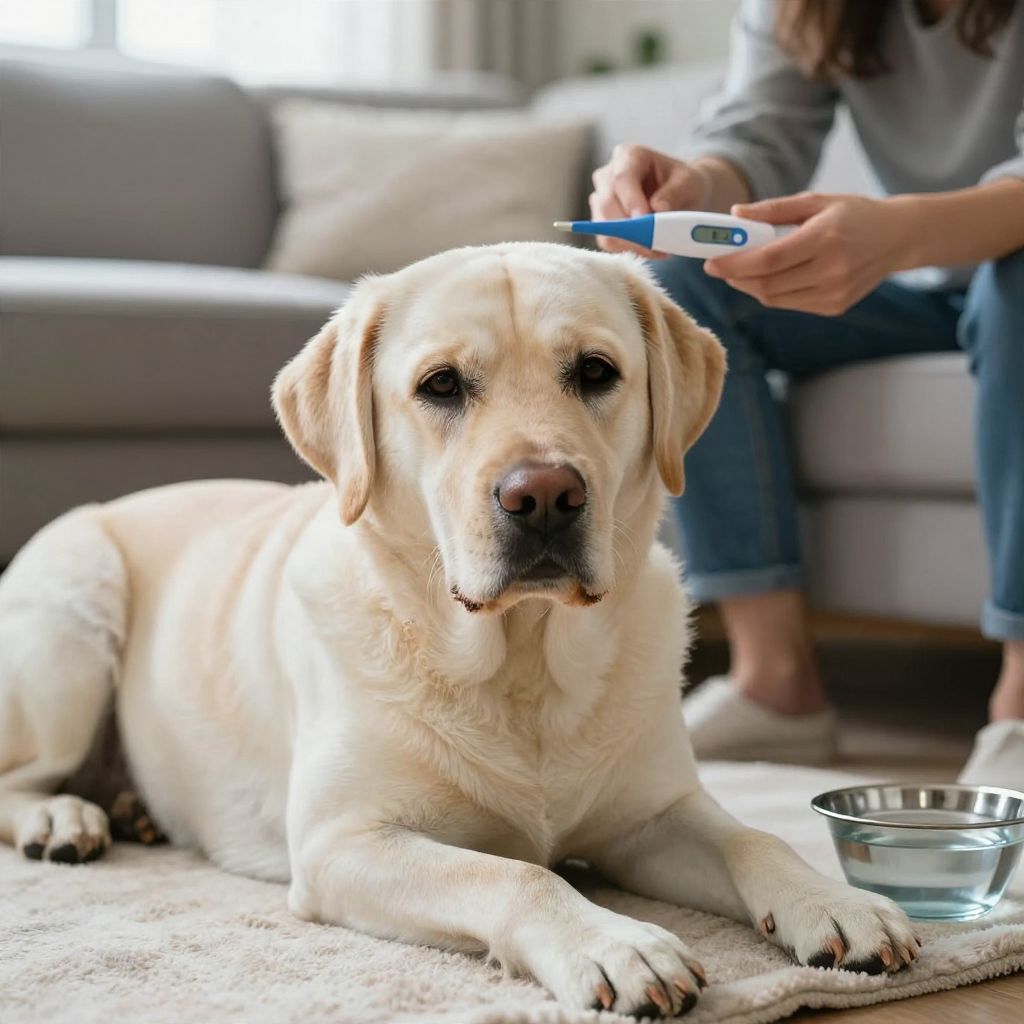
Can a dog get a cold? Yes, dogs can develop upper respiratory infections that look a lot like a human cold, with sneezing, a runny nose, coughing, and low energy. But the causes are different, and some “cold” symptoms can signal something more serious.
If your dog seems under the weather, it helps to watch closely for breathing changes, appetite loss, fever, or worsening symptoms. Many mild cases improve with rest and supportive care, but some dogs need prompt veterinary attention.
Can a dog get a cold?
Yes, dogs can get cold-like illnesses, but they do not usually catch the same common cold viruses that affect people. What looks like a cold in a dog is often a respiratory infection, irritation, allergies, or another health problem, so a vet check is important if symptoms are persistent or severe.
What “a cold” usually means in dogs
When people ask, “Can a dog get a cold,” they usually mean a mild respiratory illness with sneezing, congestion, or a cough. In dogs, those signs can come from several causes, including contagious infections, environmental irritants, or underlying disease.
Common causes of cold-like signs
- Viral or bacterial respiratory infections
- Allergies to pollen, dust, mold, or household irritants
- Foreign material in the nose or throat
- Dental disease that affects the nasal passages
- Chronic conditions in older dogs or dogs with weaker immune systems
Because the signs overlap, you should not assume every sneeze is “just a cold.” A dog that seems mildly sick today could be developing a more serious airway or infection problem.
Signs your dog may have a cold-like illness
Cold-like illness in dogs often starts with mild symptoms and may stay mild, but it can also worsen. Watch for changes in behavior, breathing, appetite, and energy level.
- Sneezing
- Runny nose or watery discharge
- Soft cough or throat-clearing
- Mild eye discharge
- Reduced energy
- Less interest in food or play
- Occasional gagging or swallowing
Some dogs, especially puppies, seniors, and dogs with chronic illness, can decline faster than you expect. Breed alone does not determine severity, but dogs with flatter faces, narrow airways, or existing breathing issues may struggle more if they get congested.
When to call a veterinarian
Contact your veterinarian if your dog’s symptoms last more than a day or two, are getting worse, or seem to affect eating, drinking, or normal breathing. It is especially important to call if your dog is very young, elderly, unvaccinated, or has a known medical condition.
Red-flag symptoms that need urgent care
- Labored breathing, open-mouth breathing at rest, or gasping
- Blue, gray, or pale gums
- Collapse or extreme weakness
- High fever or obvious severe lethargy
- Refusing water or signs of dehydration
- Repeated vomiting along with respiratory signs
- Thick, bloody, or foul-smelling discharge
- Persistent coughing or coughing fits
If your dog is struggling to breathe, do not wait to “see if it passes.” Respiratory distress is an emergency and needs immediate veterinary attention.
Can dogs catch colds from humans?
Most human cold viruses do not spread to dogs in the way they spread between people. However, dogs can still pick up other respiratory infections from dogs, and human household habits can make symptoms worse by exposing pets to smoke, dust, strong fragrances, or poor ventilation.
If you are sick, basic hygiene is still wise: wash your hands before handling your dog, avoid coughing or sneezing near them, and keep shared items clean. If your dog is already coughing or sneezing, limit close contact with other dogs until a veterinarian says it is safe.
What you can safely do at home
For a mildly affected dog that is still eating, drinking, and breathing normally, supportive care may help while you monitor closely. Home care should be gentle and should never replace veterinary advice if symptoms worsen.
- Let your dog rest and avoid intense exercise.
- Encourage drinking by offering fresh water often.
- Keep the environment calm, warm, and free of smoke or strong scents.
- Use a harness instead of a collar if coughing makes leash pressure uncomfortable.
- Monitor appetite, energy, and breathing several times a day.
- Isolate from other dogs until you know whether the illness is contagious.
A humid environment may help some dogs feel more comfortable, but avoid anything that could burn, overheat, or expose your dog to essential oils or medicated steam products unless your veterinarian specifically recommends them.
What not to do
It is easy to make a cold-like illness worse by trying human remedies. Dogs process medications differently, and some common products are dangerous.
- Do not give human cold medicine, decongestants, or pain relievers unless your veterinarian specifically instructs you to do so.
- Do not use essential oils, vapor rubs, or herbal products without veterinary guidance.
- Do not force food if your dog is nauseated or having trouble breathing.
- Do not ignore coughing that becomes frequent, harsh, or productive.
- Do not send a sick dog to daycare, boarding, or the dog park.
If you are unsure whether a product is safe, ask your veterinarian before using it. “Natural” does not automatically mean safe for dogs.
How veterinarians figure out what is going on
A vet will look at your dog’s symptoms, vaccination status, age, exposure to other dogs, and overall health. Depending on the case, they may recommend an exam, temperature check, listening to the chest, or tests to identify infection or other causes.
Treatment depends on the cause. A mild viral illness may need supportive care, while other conditions may require medication, rest, isolation, or further testing. Because the same symptoms can come from different problems, a diagnosis matters before treatment is chosen.
Which dogs may need extra caution
Any dog can get sick, but some are more vulnerable to complications or dehydration. Individual health matters more than breed labels, though age, body condition, airway anatomy, and immune status can all affect how a dog handles respiratory illness.
Puppies
Puppies can become dehydrated quickly and may have less reserve if they stop eating. Even mild symptoms deserve a lower threshold for veterinary advice.
Senior dogs
Older dogs may have weaker immune function or other conditions that make recovery slower. A “simple cold” can also hide heart, lung, or dental disease in seniors.
Dogs with chronic illness
Dogs with heart disease, airway disease, immune problems, or recent surgery should be monitored carefully. If your dog already has breathing limitations, even mild congestion can become more serious.
How to reduce the chance of respiratory illness
You cannot prevent every illness, but you can lower risk with good routine care and smart management. Prevention is especially important for dogs that spend time around other dogs.
- Keep vaccinations current as recommended by your veterinarian.
- Avoid close contact with coughing or sneezing dogs.
- Use good hygiene after dog-park, daycare, or boarding visits.
- Keep your dog away from smoke and strong airborne irritants.
- Support overall health with balanced nutrition, exercise, and regular checkups.
If your dog is frequently sick or seems to catch respiratory problems often, ask your veterinarian whether an underlying issue is making them more susceptible.
Common mistakes dog owners make
Many owners try to wait out symptoms or treat them like a human cold. That can delay care for infections, airway problems, or other illnesses that need attention.
- Assuming every sneeze is harmless
- Using human medications without veterinary approval
- Continuing vigorous exercise during illness
- Ignoring reduced appetite or drinking
- Exposing a sick dog to other dogs too soon
When in doubt, a quick call to your veterinarian is better than guessing. Early guidance can help you avoid complications and unnecessary worry.
Bottom line
So, can a dog get a cold? Dogs can get cold-like respiratory illness, but the cause is not always a simple “cold,” and some symptoms need prompt veterinary care. Watch closely, keep your dog comfortable, and contact your vet if symptoms are severe, persistent, or worsening.
If you want to learn more, you may also find these related articles helpful: can dogs catch colds from humans and can dogs get colds.