
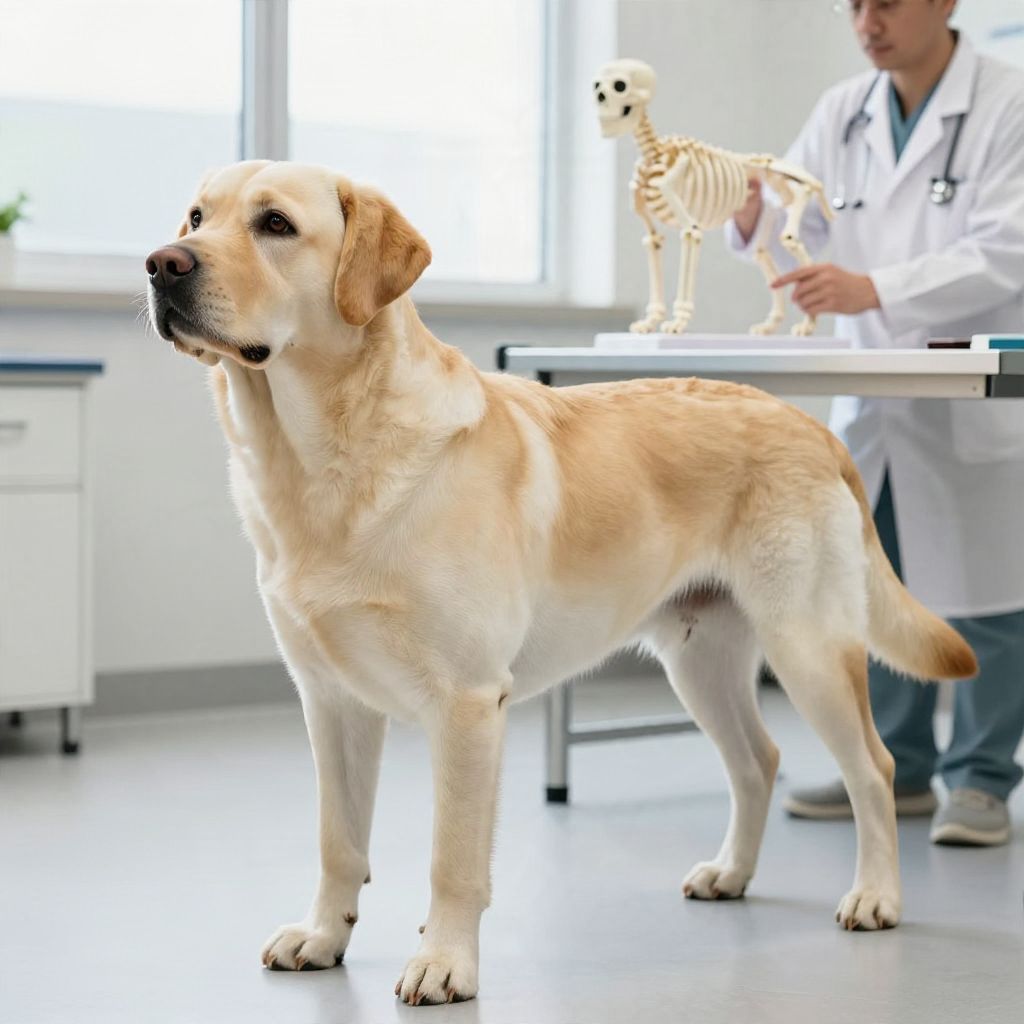
How many bones do dogs have? The short answer is that most adult dogs have about 319 bones, though the exact number can vary a little by breed and individual anatomy. Puppies have more bones at first because many bones fuse as they grow.
Knowing the basics can help you understand your dog’s growth, movement, and injury risks. It also explains why some dogs are more prone to certain orthopedic problems, especially as they age or if they are very active.
How many bones do dogs have?
Most adult dogs have about 319 bones, but the exact count can vary because some tail vertebrae are different in number and some bones fuse as dogs mature. Puppies start with more separate bones than adults, and breed, size, and anatomy can affect the final total.
Why the number can vary
There is no single exact bone count for every dog. The total changes slightly based on natural differences in the spine, tail, and skull, plus how individual bones fuse as the dog grows.
Puppies vs. adult dogs
Puppies are born with many bones that are not fully fused. As they mature, some of those bones join together, which is why the adult skeleton has fewer separate pieces than the puppy skeleton.
This growth process is one reason young dogs need careful exercise, appropriate nutrition, and age-appropriate play. Too much jumping or repetitive impact can stress developing joints and growth plates.
Breed and body-size differences
All dogs share the same basic skeletal plan, but body shape can change how the skeleton looks and functions. For example, long-backed dogs, short-legged dogs, and giant breeds may have different proportions that affect posture, movement, and joint stress.
These are tendencies, not guarantees. A dog’s individual health, weight, conditioning, and history of injury matter just as much as breed type.
What bones do dogs have?
A dog’s skeleton includes the skull, spine, ribs, limbs, paws, and pelvis. Together, these bones support movement, protect organs, and give the body structure.
- Skull: protects the brain and supports the face and jaw.
- Spine: connects the head, trunk, and tail and allows flexibility.
- Ribs and sternum: help protect the heart and lungs.
- Front and rear limbs: support walking, running, jumping, and balance.
- Paws and toes: help with traction, shock absorption, and fine movement.
- Pelvis: supports the hind end and connects the rear legs to the body.
How the dog skeleton helps daily movement
Dogs rely on their bones, joints, muscles, and ligaments working together. If one part is painful or injured, you may notice limping, stiffness, reluctance to jump, or changes in posture.
Because dogs use their bodies in quick bursts, even a small injury can affect comfort and mobility. Early attention often makes recovery easier and helps reduce the chance of long-term problems.
Common signs something may be wrong
- Limping or favoring one leg
- Swelling, heat, or obvious pain around a limb or joint
- Difficulty standing, climbing stairs, or getting into a car
- Stiffness after rest
- Sudden yelping, crying, or guarding a body part
- Loss of appetite or behavior changes linked to pain
When bone or joint problems need a vet
Some issues are urgent. If your dog cannot bear weight, has a visibly deformed limb, has severe swelling, or seems weak, distressed, or unable to move normally, seek veterinary care promptly.
Emergency signs include a suspected fracture, a traumatic fall or hit by a car, severe pain, open wounds over a bone, or sudden paralysis. Do not try to straighten a limb or force movement.
Common bone and joint concerns in dogs
Dogs can develop a range of orthopedic problems, including fractures, sprains, hip or elbow disease, kneecap issues, and arthritis. Some conditions are more common in certain body types or life stages, but any dog can be affected.
Older dogs are more likely to develop arthritis, while growing dogs may be vulnerable to developmental joint problems if they grow too quickly or are overexercised. Your veterinarian can help identify the cause and recommend safe treatment options.
How to support healthy bones in dogs
Healthy bones depend on balanced nutrition, appropriate activity, and a healthy body weight. Overfeeding, underfeeding, or unbalanced homemade diets can all affect skeletal health.
- Feed a complete and balanced diet appropriate for your dog’s age and size.
- Keep your dog at a healthy weight to reduce stress on joints and bones.
- Provide regular, moderate exercise instead of intense weekend-only activity.
- Use safe surfaces and avoid repeated high-impact jumping, especially for puppies.
- Schedule veterinary checkups if you notice limping, stiffness, or pain.
Puppy bone care
Puppies need special care because their skeleton is still developing. Growth plates are vulnerable, so rough play, slippery floors, and repeated jumping can increase injury risk.
For growing dogs, focus on controlled exercise, gentle socialization, and a diet formulated for their life stage. If you are unsure how much activity is appropriate, ask your veterinarian.
Senior dog bone care
Older dogs often need more help staying comfortable. Arthritis, muscle loss, and reduced flexibility can make everyday movement harder, even if your dog still wants to be active.
Helpful adjustments may include nonslip mats, ramps, softer bedding, shorter walks, and veterinary guidance for pain management. Never give human pain medicine unless your veterinarian specifically instructs you to do so.
Do dogs have more bones than humans?
Yes. Dogs have more bones than adult humans, partly because of differences in the spine, tail, and paw structure. Their anatomy is built for running, braking, turning, and balancing in ways that are different from human movement.
That extra skeletal complexity helps dogs move efficiently, but it also means injuries can affect them in subtle ways. A slight limp or change in gait may be an early sign of pain.
What to do if you suspect a bone injury
If your dog may have injured a bone, keep them calm and restrict movement right away. Use a leash or carrier if needed, and contact your veterinarian for advice.
- Do not let your dog run, jump, or play.
- Do not attempt to splint a limb unless a veterinarian has taught you how.
- Do not give medication without veterinary guidance.
- Transport your dog carefully to avoid worsening the injury.
If the injury followed trauma, or if your dog is in obvious pain, treat it as urgent. Quick evaluation can help prevent complications and reduce suffering.
Helpful takeaways about dog bones
Most adult dogs have about 319 bones, but the exact number is not identical in every dog. Puppies have more separate bones early in life, and some bones fuse as they mature.
The most important thing for you is not the exact count, but how well your dog’s skeleton is supported through good nutrition, safe exercise, healthy weight, and prompt veterinary care when something seems wrong.
If you want to keep learning about canine anatomy, you may also find it helpful to read about how many toes dogs have and more details on dog bone counts.