
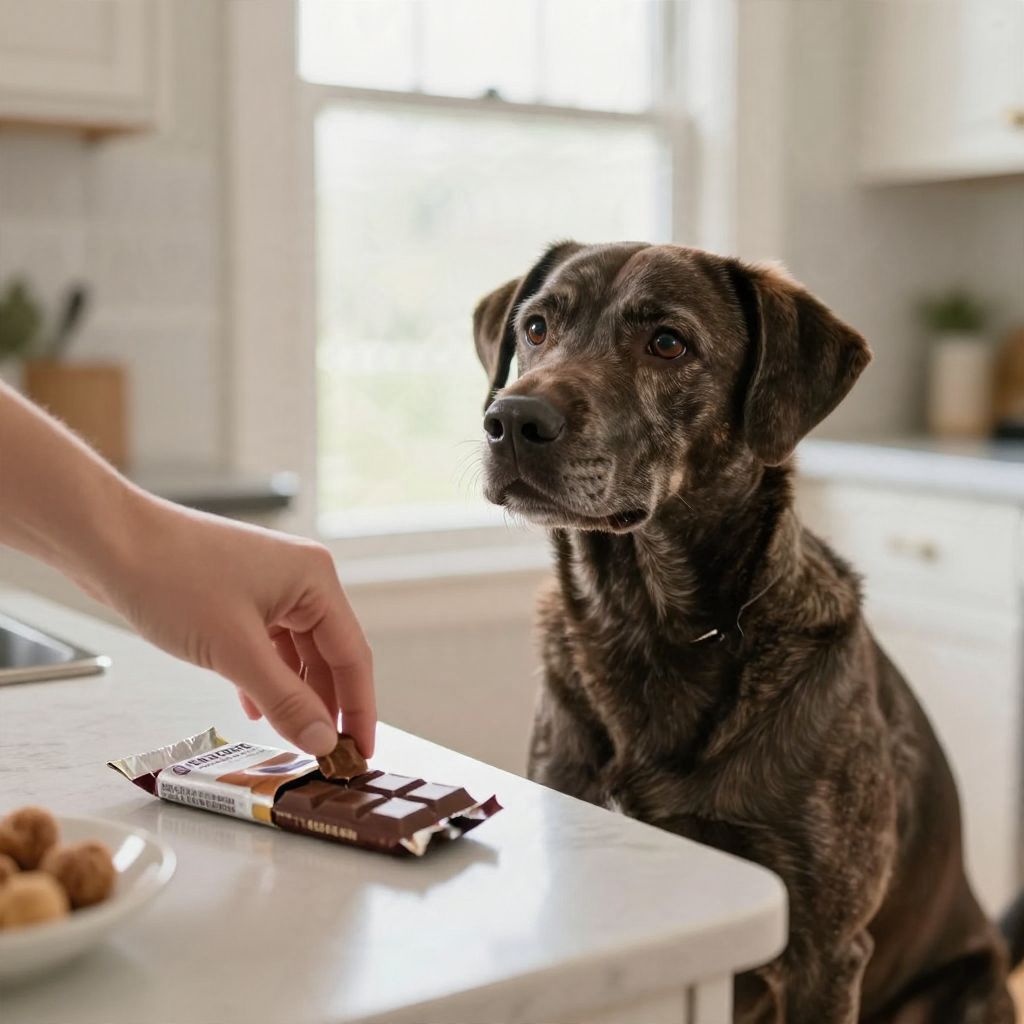
Can dogs die from chocolate? Yes, they can, especially if they eat enough of the right kind of chocolate or if the dog is small, young, old, or has other health problems. Chocolate contains theobromine and caffeine, which dogs process much more slowly than people do.
If your dog ate chocolate, treat it seriously and call your veterinarian or an emergency clinic right away for guidance. Quick action matters because symptoms can worsen over time, and severe cases can become life-threatening.
Can dogs die from chocolate?
Yes. Chocolate can be toxic to dogs, and severe poisoning can be fatal. The risk depends on the type of chocolate, how much was eaten, and your dog’s size and health. Darker, more concentrated chocolate is generally more dangerous than milk chocolate.
Why chocolate is dangerous for dogs
Chocolate contains theobromine and caffeine, both of which stimulate a dog’s nervous system and heart. Dogs break these compounds down slowly, so toxic effects can build up and last longer than you might expect.
Which chocolates are most risky?
- Baking chocolate and cocoa powder: usually the most dangerous because they are highly concentrated.
- Dark chocolate: more toxic than milk chocolate in most cases.
- Milk chocolate: still unsafe, especially for small dogs or larger amounts.
- White chocolate: usually much lower in theobromine, but it can still cause stomach upset and may contain other harmful ingredients.
Chocolate products can also include wrappers, nuts, raisins, xylitol, or large amounts of fat, which may create additional problems beyond chocolate toxicity.
What symptoms should you watch for?
Signs often begin with stomach upset and can progress to more serious heart, nervous system, or breathing problems. Symptoms may appear within a few hours, but timing can vary.
Common warning signs
- Vomiting
- Diarrhea
- Restlessness or hyperactivity
- Rapid breathing
- Increased heart rate
- Tremors or muscle twitching
- Excessive thirst or urination
- Weakness or unsteady walking
Emergency red flags
- Seizures
- Collapse
- Severe tremors
- Very fast or irregular heartbeat
- Extreme agitation
- Difficulty breathing
- Loss of consciousness
If you see any of these emergency signs, go to a veterinarian or emergency clinic immediately. Do not wait to see if your dog improves on their own.
What should you do if your dog ate chocolate?
Act quickly and gather details before you call. The more accurate information you can give, the better a veterinarian can assess the risk and recommend next steps.
- Remove any remaining chocolate so your dog cannot eat more.
- Check the package for the type of chocolate, ingredients, and approximate amount eaten.
- Estimate your dog’s weight if you can.
- Call your veterinarian, an emergency clinic, or a pet poison hotline for immediate advice.
- Follow professional instructions exactly.
Do not try to guess whether the amount was “too small to matter.” Small dogs can be affected by amounts that might not bother larger dogs, and mixed ingredients can increase the danger.
What not to do
- Do not induce vomiting unless a veterinarian specifically tells you to.
- Do not give home remedies, milk, oil, or salt.
- Do not wait for symptoms before calling if you know your dog ate chocolate.
- Do not assume white chocolate is always harmless.
Why size, age, and health matter
The same amount of chocolate can affect dogs very differently. A small dog may become sick from a much smaller portion than a large dog, and puppies, seniors, and dogs with heart disease or seizure disorders may be more vulnerable.
Individual sensitivity also varies. Some dogs may show mild stomach upset, while others develop more serious signs after a similar exposure. That is why professional guidance is important even when your dog seems fine at first.
How veterinarians assess chocolate exposure
Your veterinarian will usually ask what kind of chocolate was eaten, how much, when it happened, and your dog’s weight. They may recommend observation, a clinic visit, or treatment based on the estimated risk and your dog’s symptoms.
Treatment can depend on timing and severity. If the exposure was recent, a veterinarian may consider ways to reduce absorption; if symptoms are already present, they may focus on supportive care and monitoring.
When is it an emergency?
Chocolate exposure is an emergency when your dog has concerning symptoms, ate a large amount, or consumed a highly concentrated product such as baking chocolate or cocoa powder. It is also urgent if your dog is very small or has another medical condition.
Seek immediate veterinary help if your dog has:
- Seizures or collapse
- Severe vomiting or diarrhea
- Marked tremors
- Breathing trouble
- Abnormal heart rate
- Extreme agitation or weakness
How to prevent chocolate poisoning
Prevention is the safest approach because chocolate is a common household hazard. Many exposures happen during holidays, baking, or when food is left within reach on counters or tables.
- Store chocolate in closed cabinets or high containers.
- Keep desserts, candy, and baking ingredients out of reach.
- Teach children not to share chocolate with dogs.
- Use secure trash cans with lids.
- Watch closely during holidays and parties.
- Train a reliable “leave it” cue using rewards and management.
Good management matters because even well-trained dogs may grab food if it is left accessible. Prevention should not rely on willpower alone.
Common mistakes dog owners make
Many chocolate emergencies become worse because owners delay calling for help or rely on internet advice that is not appropriate for their dog’s situation. Fast, informed action is safer than guessing.
- Assuming milk chocolate is always safe in small amounts
- Waiting for symptoms before seeking advice
- Forgetting about cocoa powder, brownies, or chocolate-covered snacks
- Not considering other toxic ingredients in the food
- Trying unapproved home treatments
What if your dog seems fine after eating chocolate?
A dog can look normal at first and still develop symptoms later. That is why you should still contact a veterinarian or poison expert for advice, even if your dog appears comfortable right now.
Observation may be enough in some low-risk situations, but only a qualified professional can help you decide that safely. Watch closely for vomiting, restlessness, tremors, or changes in breathing or behavior.
Bottom line
Yes, dogs can die from chocolate, especially when the exposure is large, concentrated, or untreated. If your dog ate chocolate, contact a veterinarian right away, monitor for warning signs, and seek emergency care immediately if severe symptoms appear.
If you want more practical guidance, you may also find these helpful: what happens when dogs eat chocolate and what to do if your dog eats chocolate.