
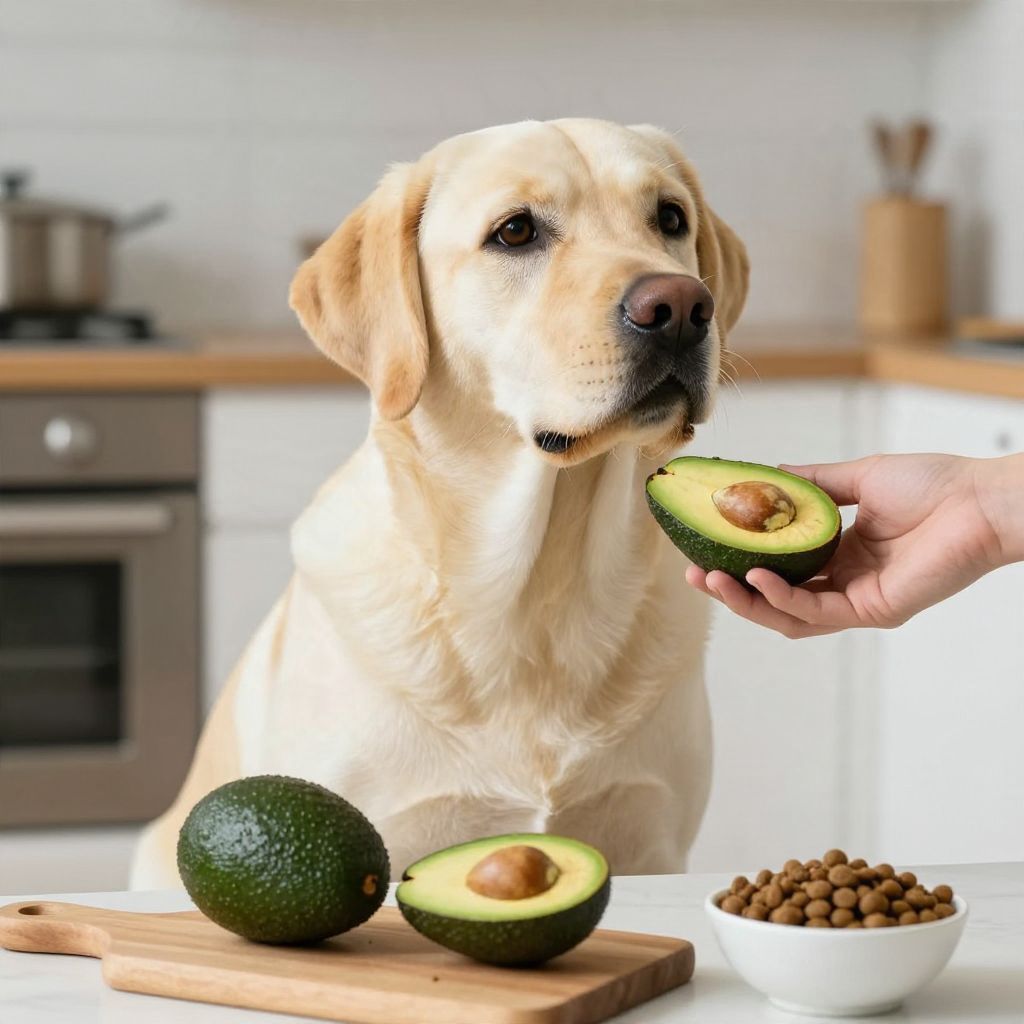
Can dogs eat avocado? In small amounts, the flesh is usually not considered highly toxic to dogs, but avocado is not a risk-free treat. The pit, skin, and leaves can cause problems, and the fruit’s fat content may upset some dogs’ stomachs.
If your dog ate avocado, the safest response depends on what part was eaten, how much, and your dog’s size and health. When in doubt, call your veterinarian, especially if your dog has vomiting, diarrhea, pain, or trouble breathing.
Can Dogs Eat Avocado?
Yes, dogs can usually eat a small amount of plain avocado flesh, but it should be treated as an occasional snack, not a regular food. The pit, skin, and plant parts are the bigger concerns, and some dogs are sensitive to the fruit’s high fat content.
What Part of the Avocado Is Safe for Dogs?
If you choose to offer avocado, only the soft flesh is the part most commonly considered acceptable in tiny amounts. Even then, it should be plain and unseasoned.
- Avocado flesh: May be okay in small amounts for some dogs.
- Pit: Unsafe because it can cause choking or an intestinal blockage.
- Skin: Hard to digest and can be a choking or blockage risk.
- Leaves, stems, and plant material: Not something your dog should eat.
Why Avocado Can Be a Problem for Dogs
Avocado is not the same kind of food risk for every dog. Some dogs tolerate a little flesh without issue, while others get stomach upset from even a small amount of rich food.
1. Gastrointestinal upset
Avocado is fatty, and rich foods can trigger vomiting, diarrhea, drooling, or a gassy stomach in sensitive dogs. Dogs with a history of pancreatitis or a sensitive digestive system may be more likely to react badly.
2. Choking and blockage risk
The pit is the biggest immediate danger. It can lodge in the throat or digestive tract, and even smaller pieces of skin can be difficult to pass.
3. Added ingredients in avocado dishes
Plain avocado is one thing; guacamole and avocado-based recipes are another. Many contain onion, garlic, salt, spices, lime, or other ingredients that are unsafe or irritating for dogs.
How Much Avocado Can a Dog Eat?
There is no universal “safe” amount for every dog, because size, age, health, and sensitivity all matter. A tiny taste of plain avocado flesh may be tolerated by some healthy dogs, but it should remain a rare treat and never replace balanced dog food.
- Small dogs: Need especially small portions, if any.
- Large dogs: May tolerate a little more, but fat-related stomach upset is still possible.
- Puppies: More prone to digestive upset, so extra caution is wise.
- Dogs with pancreatitis, obesity, or GI issues: Should generally avoid avocado unless your veterinarian says otherwise.
Signs Your Dog May Not Be Tolerating Avocado
Watch your dog closely after eating avocado, especially if it was more than a tiny bite or if the avocado was part of a mixed dish. Symptoms can show up within hours, but sometimes later if a blockage develops.
- Vomiting
- Diarrhea
- Loss of appetite
- Abdominal pain or a tense belly
- Repeated swallowing or drooling
- Lethargy
- Straining to poop or no stool
When Avocado Is an Emergency
Get urgent veterinary help right away if your dog ate the pit, is choking, has trouble breathing, collapses, has a swollen abdomen, or is repeatedly vomiting. These can be signs of a blockage or another serious problem that should not wait.
Call your veterinarian promptly if your dog ate a large amount of avocado flesh and develops ongoing vomiting, diarrhea, pain, or seems unusually weak. If you are unsure whether your dog swallowed the pit or skin, it is safer to ask for veterinary advice than to guess.
What to Do If Your Dog Ate Avocado
Stay calm and figure out exactly what was eaten. The next step depends on whether your dog had plain flesh, a mixed dish, or the pit or skin.
- Remove any remaining avocado or avocado dish.
- Check whether the pit, skin, or leaves are missing.
- Note how much was eaten and when it happened.
- Watch for vomiting, diarrhea, pain, or choking.
- Contact your veterinarian if the pit was swallowed, symptoms appear, or you are unsure what happened.
Do not try risky home fixes
Do not induce vomiting unless a veterinarian specifically tells you to do so. If the pit or skin has already moved into the throat or gut, making your dog vomit could cause more harm.
Can Dogs Eat Guacamole?
Guacamole is not a safe dog food. Even if the avocado itself is plain, guacamole often contains onion, garlic, salt, chili, tomatoes, or other ingredients that can upset your dog’s stomach or be toxic.
If your dog snatched a small lick of plain guacamole, the risk may be lower than if a large amount was eaten. But because recipes vary so much, it is best to treat guacamole as off-limits.
Health Conditions That Make Avocado a Poor Choice
Some dogs should avoid avocado altogether or only eat it if your veterinarian approves. The concern is not just toxicity; it is also how rich foods affect the body.
- Pancreatitis history: Fatty foods may trigger flare-ups.
- Sensitive stomachs: Even small amounts may cause vomiting or diarrhea.
- Weight management issues: Avocado adds calories quickly.
- Senior dogs: Older dogs may have more digestive sensitivity or other health issues.
- Puppies: Their digestion is still developing, so they may react more easily.
How to Offer Avocado More Safely, If Your Vet Says It’s Okay
If your veterinarian says a tiny amount is fine for your dog, keep it simple. The goal is to avoid common hazards and keep the treat small enough that it does not upset your dog’s diet.
- Use only plain, ripe avocado flesh.
- Remove the pit, skin, and any stringy or hard bits.
- Offer only a very small amount as an occasional treat.
- Do not mix it with onion, garlic, salt, spices, or sauces.
- Stop if your dog gets diarrhea, vomiting, or itching after eating it.
Better Treat Alternatives to Avocado
If you want a safer snack option, many dogs do well with simple, dog-friendly foods in small amounts. Choose treats that are low in fat, plain, and easy to digest.
- Plain cooked pumpkin
- Small pieces of apple without seeds
- Blueberries
- Plain cooked carrot
- Green beans
Even safe treats should stay within your dog’s daily calorie needs. Too many extras can lead to weight gain or stomach upset, even when the food itself is dog-friendly.
Frequently Asked Questions
Is avocado toxic to dogs?
Avocado flesh is not usually treated as highly toxic to dogs, but the pit, skin, and plant parts are unsafe, and rich avocado can still cause digestive upset. The overall risk depends on what was eaten and how your dog reacts.
Can dogs eat avocado toast?
No, avocado toast is not a good dog snack. Bread may be plain, but toppings, seasonings, butter, garlic, onion, and salt can all create problems.
Can puppies eat avocado?
Puppies are more likely to get an upset stomach from rich foods, so it is best to avoid avocado unless your veterinarian recommends otherwise. Puppies also need a carefully balanced diet for growth.
Conclusion
Can dogs eat avocado? In very small amounts of plain flesh, some dogs can, but the pit, skin, and avocado-based dishes are the real dangers. If your dog ate avocado and you are unsure what was consumed, contact your veterinarian for guidance.
For related reading, you may also find can dogs eat avacado and can dogs have guacamole helpful.