
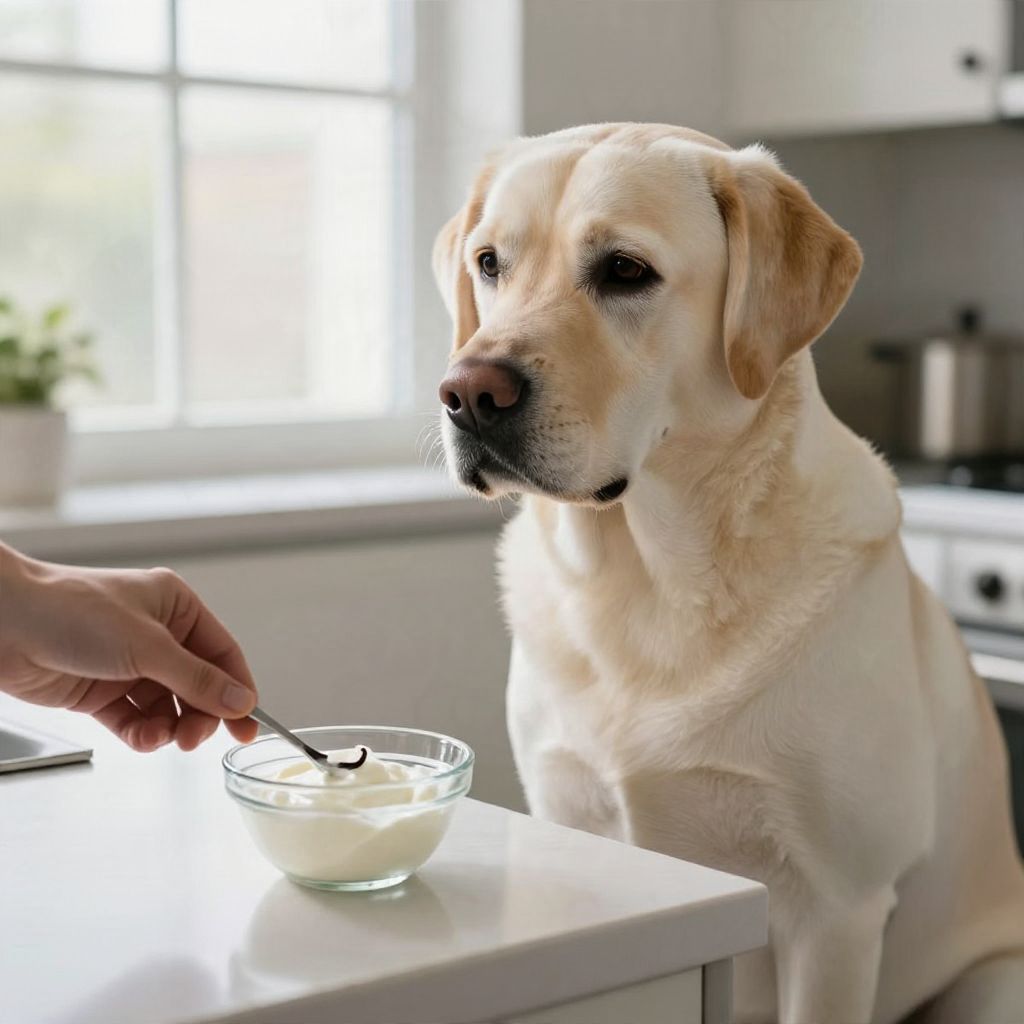
Can dogs eat vanilla? In small amounts, plain vanilla flavoring is usually not toxic to dogs, but the answer depends on the form. Vanilla extract, imitation vanilla, and vanilla desserts can contain alcohol, sugar, xylitol, or other ingredients that may be unsafe.
If your dog licked a little vanilla from a plain treat, they may be fine. If they ate vanilla extract, a dessert, or anything with xylitol, call your veterinarian or a pet poison hotline right away.
Can Dogs Eat Vanilla?
Dogs can usually have a tiny amount of plain vanilla-flavored food if it contains no alcohol, xylitol, chocolate, raisins, or other toxic ingredients. The main concern is not vanilla itself, but the recipe it comes in. Vanilla extract, baked goods, ice cream, and frosting can all be risky for dogs.
What Kind of Vanilla Is Safe, and What Is Not?
“Vanilla” can mean several different things, and they are not equally safe for dogs. Always check the ingredient list before sharing anything flavored with vanilla.
Usually safer in very small amounts
- Plain dog treats with natural vanilla flavoring
- Small bites of plain baked goods made without toxic ingredients, though these are still not ideal
- Dog-safe homemade treats that use a tiny amount of vanilla flavoring and no harmful additives
Potentially unsafe or best avoided
- Vanilla extract, especially if your dog can drink or lick a large amount
- Imitation vanilla, which may also contain alcohol
- Vanilla ice cream, custard, pudding, or frosting because of sugar, fat, and possible dairy sensitivity
- Any vanilla dessert containing chocolate, macadamia nuts, raisins, xylitol, or caffeine
Why Vanilla Extract Can Be a Problem
Pure vanilla extract is often made with alcohol, and alcohol can be dangerous for dogs. Even if the vanilla itself is not the issue, the alcohol content and the amount consumed can cause problems, especially in small dogs, puppies, or dogs with underlying health issues.
Imitation vanilla may also contain alcohol, and some vanilla-flavored products include sweeteners or additives that are more concerning than the flavoring itself. That is why “vanilla” is not automatically safe just because it sounds simple.
What Happens If a Dog Eats Vanilla?
Many dogs that only lick a tiny amount of vanilla-flavored food will not have any serious problems. But a larger exposure, or a product with alcohol or xylitol, can cause symptoms that need veterinary attention.
Possible signs of a problem
- Vomiting or diarrhea
- Drooling
- Low energy or unusual sleepiness
- Wobbliness or poor coordination
- Restlessness or agitation
- Rapid breathing or changes in behavior
- Seizures in severe cases
Emergency warning: If your dog ate vanilla extract, a dessert with xylitol, or is acting weak, disoriented, shaky, or having trouble breathing, seek urgent veterinary care immediately.
How Much Vanilla Is Too Much?
There is no safe universal “dose” for vanilla extract or vanilla desserts because risk depends on the product, the ingredients, your dog’s size, and their health. A small lick from a spoon is very different from drinking from a bottle or eating a slice of dessert.
Smaller dogs are generally at greater risk from the same amount of alcohol or sugar than larger dogs. Puppies, senior dogs, and dogs with diabetes, pancreatitis, or sensitive stomachs may also be more vulnerable.
What To Do If Your Dog Ate Vanilla
If your dog just tasted a plain vanilla-flavored treat, monitor them for stomach upset. If they ate vanilla extract or a dessert, take the product with you or keep the label handy when you call for advice.
- Remove any remaining food so your dog cannot eat more.
- Check the ingredient list for alcohol, xylitol, chocolate, raisins, nuts, or caffeine.
- Estimate how much was eaten and when it happened.
- Call your veterinarian for guidance, especially if the product was liquid extract or a rich dessert.
- Go to an emergency clinic right away if your dog has severe symptoms or may have eaten xylitol.
Do not try home remedies or force vomiting unless a veterinarian specifically tells you to do so. Some ingredients make vomiting unsafe or unhelpful.
Are Vanilla Desserts Safe for Dogs?
Vanilla desserts are usually a poor choice for dogs even when they are not directly toxic. Ice cream, cake, cookies, and frosting often contain too much sugar, fat, or dairy for many dogs to digest comfortably.
Common dessert concerns
- Upset stomach: Dairy, sugar, and fat can trigger vomiting or diarrhea.
- Pancreatitis risk: Rich, fatty foods can be a problem for some dogs.
- Weight gain: Frequent treats add extra calories quickly.
- Toxic add-ins: Chocolate, xylitol, raisins, and some nuts are dangerous.
If you want to share a special treat, choose a dog-safe option instead of human dessert. A small, plain treat made for dogs is usually a better choice than a spoonful of vanilla ice cream.
Can Puppies Eat Vanilla?
Puppies can be more sensitive than adult dogs because they are smaller and still developing. A tiny lick of a plain vanilla-flavored item may not cause harm, but puppies should not be given vanilla extract, rich desserts, or foods with questionable ingredients.
Because puppies can become dehydrated more quickly if they vomit or have diarrhea, it is wise to call your veterinarian sooner if a puppy eats something unusual.
Can Senior Dogs Eat Vanilla?
Senior dogs may be more likely to have diabetes, dental disease, digestive sensitivity, or other conditions that make sugary or rich foods a bad idea. Even if vanilla itself is not the issue, desserts are often a poor fit for older dogs.
If your senior dog has a chronic health condition, ask your veterinarian before offering any human food, even in small amounts.
Safer Ways To Give Your Dog a Treat
If you want to reward your dog without risking a bad reaction, keep treats simple and dog-appropriate. The best choice depends on your dog’s diet, size, and health needs.
- Use their regular dog treats in small pieces
- Offer plain cooked lean meat with no seasoning
- Try dog-safe fruits or vegetables if your veterinarian says they are appropriate
- Use part of their daily kibble as training rewards
When introducing any new treat, give only a small amount first and watch for vomiting, diarrhea, itching, or changes in behavior.
How To Read a Vanilla Ingredient Label
Before giving your dog anything flavored with vanilla, check the label carefully. Product names can be misleading, and “natural flavor” does not automatically mean dog-safe.
- Look for xylitol or birch sugar
- Check for alcohol, especially in extracts and flavorings
- Watch for chocolate, cocoa, coffee, or tea ingredients
- Avoid raisins, currants, macadamia nuts, and nutmeg in baked goods
- Be cautious with “sugar-free” products
When You Should Call the Vet
Contact your veterinarian if your dog ate more than a small lick of vanilla extract, if the product label shows xylitol or alcohol, or if your dog has any symptoms at all. It is better to ask early than to wait for signs to worsen.
Get urgent help now if your dog collapses, has seizures, cannot walk normally, has trouble breathing, or becomes very weak or unresponsive.
Bottom Line
Can dogs eat vanilla? In tiny amounts, plain vanilla-flavored foods may be okay, but vanilla extract, desserts, and anything with alcohol or xylitol can be dangerous. When in doubt, skip the human treat and choose a dog-safe option instead.
If you want to compare vanilla desserts with other sweet treats, you may also find these guides helpful: can dogs eat cake and can dogs have cheesecake.