
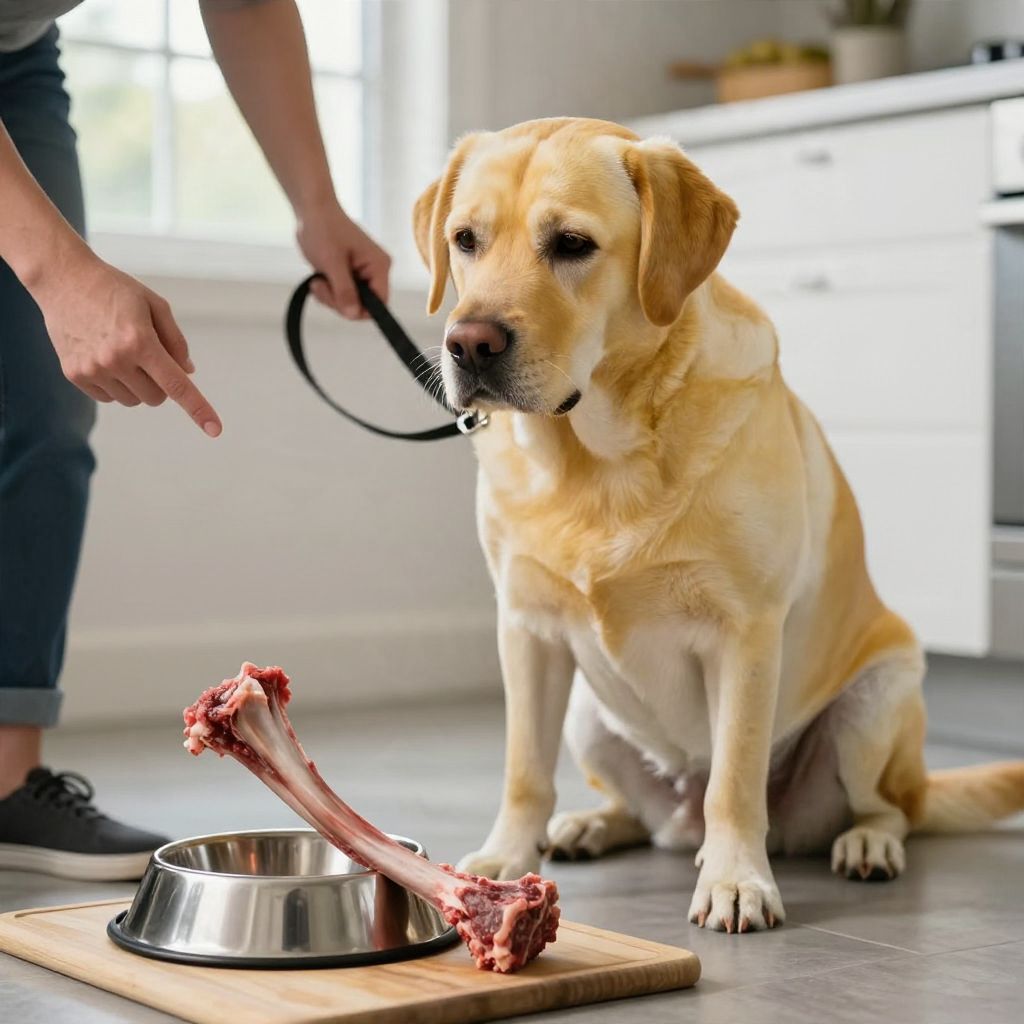
Can dogs have beef rib bones? Sometimes, but only in very limited circumstances and with real caution. Cooked beef rib bones are unsafe for most dogs because they can splinter, crack teeth, or cause choking and internal injury.
If you want to offer a bone, the safest choice depends on your dog’s size, chewing style, age, and health. When in doubt, choose a vet-approved chew instead of a rib bone.
Can dogs have beef rib bones?
Dogs can sometimes chew raw beef rib bones under close supervision, but cooked beef rib bones are not safe. Cooking makes bones more likely to splinter, and even raw bones can break teeth, get stuck in the throat, or cause digestive blockage. Many dogs are better off with safer chews.
Why beef rib bones can be risky
Beef rib bones are appealing because they are large and flavorful, but they are not risk-free. The main concern is not just “can a dog eat it,” but whether the bone is safe for your specific dog and whether you can supervise the chewing closely.
Common hazards
- Splintering, especially if the bone is cooked, smoked, or roasted
- Tooth fractures from hard chewing
- Choking if pieces break off or the bone is too small
- Stomach or intestinal blockage from swallowed fragments
- Constipation or painful stools after swallowing bone material
- Gum injury from sharp edges
Some dogs chew carefully, while others crush bones aggressively. A dog with a powerful bite or a fast, gulping style may be at higher risk than a slower, more methodical chewer.
Raw vs. cooked beef rib bones
The difference matters. Cooked rib bones are the bigger concern because heat changes the bone structure and increases the chance of sharp splinters. Raw bones are generally less likely to splinter, but they still carry risks and are not automatically safe for every dog.
Cooked beef rib bones
These should generally be avoided. They can crack into sharp shards and may damage the mouth, throat, stomach, or intestines.
Raw beef rib bones
Raw bones may be considered by some owners as a chew option, but they still require careful selection, supervision, and hygiene. They are not a good choice for dogs with dental disease, a history of swallowing objects, or sensitive stomachs.
Which dogs should not have beef rib bones?
Some dogs are poor candidates for any bone chew, including beef rib bones. Individual health and behavior matter more than breed alone.
- Puppies, especially young puppies with baby teeth or a strong tendency to swallow things
- Senior dogs with worn teeth, dental disease, or weaker jaws
- Dogs with a history of intestinal blockage or pancreatitis
- Dogs that crush and gulp chews instead of gnawing slowly
- Dogs with broken teeth, gum disease, or oral pain
- Dogs with food allergies, sensitive digestion, or chronic vomiting
- Dogs who become resource guarding around bones or high-value items
Breed can influence chewing style, but it does not guarantee safety or danger. A large breed may still swallow bone fragments, and a smaller dog may be a careful chewer. Your dog’s habits matter more than a label.
How to decide if a beef rib bone is appropriate
If you are considering giving your dog a beef rib bone, use a cautious checklist first. If any answer is “no,” it is usually better to skip the bone.
- Is the bone raw, not cooked, smoked, or seasoned?
- Is it large enough that your dog cannot fit the whole bone in the mouth?
- Can you supervise the entire chew session?
- Does your dog chew calmly instead of cracking hard or trying to swallow chunks?
- Does your dog have healthy teeth and no history of swallowing dangerous objects?
- Can you remove the bone once it becomes small or damaged?
If you are unsure about any of these points, a safer chew is the better choice.
Safer ways to offer a beef rib bone, if your vet says it is okay
Some veterinarians may allow a raw beef rib bone for certain dogs, but the goal is to reduce risk as much as possible. There is no completely risk-free method.
Practical safety tips
- Choose a bone that is large enough that your dog cannot swallow it whole.
- Offer it only under direct supervision.
- Take it away if it becomes small enough to swallow or develops sharp edges.
- Limit chewing time so your dog does not overdo it.
- Discard the bone if it starts to smell bad, dries out excessively, or cracks.
- Wash hands, bowls, and surfaces after handling raw bones.
Never leave a dog alone with a bone overnight or when you are out of the house. Many accidents happen when chewing is unsupervised.
Signs a beef rib bone is causing trouble
Watch your dog closely after chewing. Some problems show up right away, while others appear hours later.
Call your veterinarian promptly if you notice:
- Drooling more than usual
- Repeated pawing at the mouth
- Bleeding from the gums or mouth
- Vomiting or repeated retching
- Refusing food or water
- Constipation, straining, or tiny hard stools
- Abdominal pain, bloating, or restlessness
- Coughing, gagging, or trouble swallowing
Seek urgent veterinary care right away for:
- Choking or breathing difficulty
- A bone fragment stuck in the mouth or throat
- Severe vomiting or inability to keep water down
- A swollen, painful abdomen
- Collapse, weakness, or extreme lethargy
- Black stool or blood in vomit or stool
Do not try to pull out a deeply stuck bone if it risks injury to you or your dog. If your dog is struggling to breathe, treat it as an emergency.
What to do if your dog already ate a beef rib bone
If your dog swallowed part of a beef rib bone, the next steps depend on size, symptoms, and whether the bone was cooked. Stay calm, but do not ignore it.
- Remove any remaining bone pieces if you can do so safely.
- Check whether the bone was cooked, raw, or seasoned.
- Monitor for vomiting, coughing, pain, or trouble passing stool.
- Call your veterinarian for advice, especially if your dog is small or the piece was large.
- Go to urgent care immediately if your dog has breathing trouble, repeated vomiting, or obvious pain.
Do not give home remedies or induce vomiting unless a veterinarian specifically instructs you to do so. Bone pieces can cause more harm coming back up.
Better alternatives to beef rib bones
If your goal is enrichment, dental exercise, or keeping your dog busy, there are safer options than rib bones. The best choice depends on your dog’s chewing strength and eating habits.
- Vet-approved dental chews
- Durable rubber chew toys sized for your dog
- Stuffed puzzle toys with part of your dog’s regular food
- Frozen enrichment toys, if your dog tolerates them well
- Appropriately sized chews recommended by your veterinarian
These options are not risk-free either, but they are often easier to control than a real bone and are less likely to splinter.
Common mistakes to avoid
Many bone-related injuries happen because the bone seemed “natural” or “big enough.” Natural does not always mean safe.
- Giving cooked beef rib bones
- Leaving your dog alone with any bone
- Offering a bone that is too small for your dog’s mouth
- Letting your dog chew until the bone becomes a swallowable chunk
- Ignoring signs of mouth pain or digestive upset
- Assuming a large dog cannot choke or get blocked
Bottom line: should you give your dog a beef rib bone?
For most dogs, the safest answer is no, especially if the bone is cooked. If you are considering a raw beef rib bone, talk with your veterinarian first and only use it if your dog is a good candidate and you can supervise closely. When safety is uncertain, choose a safer chew instead.
For more related reading, you may also find can dogs eat beef bones and can dogs eat lamb bones helpful for comparing bone safety.