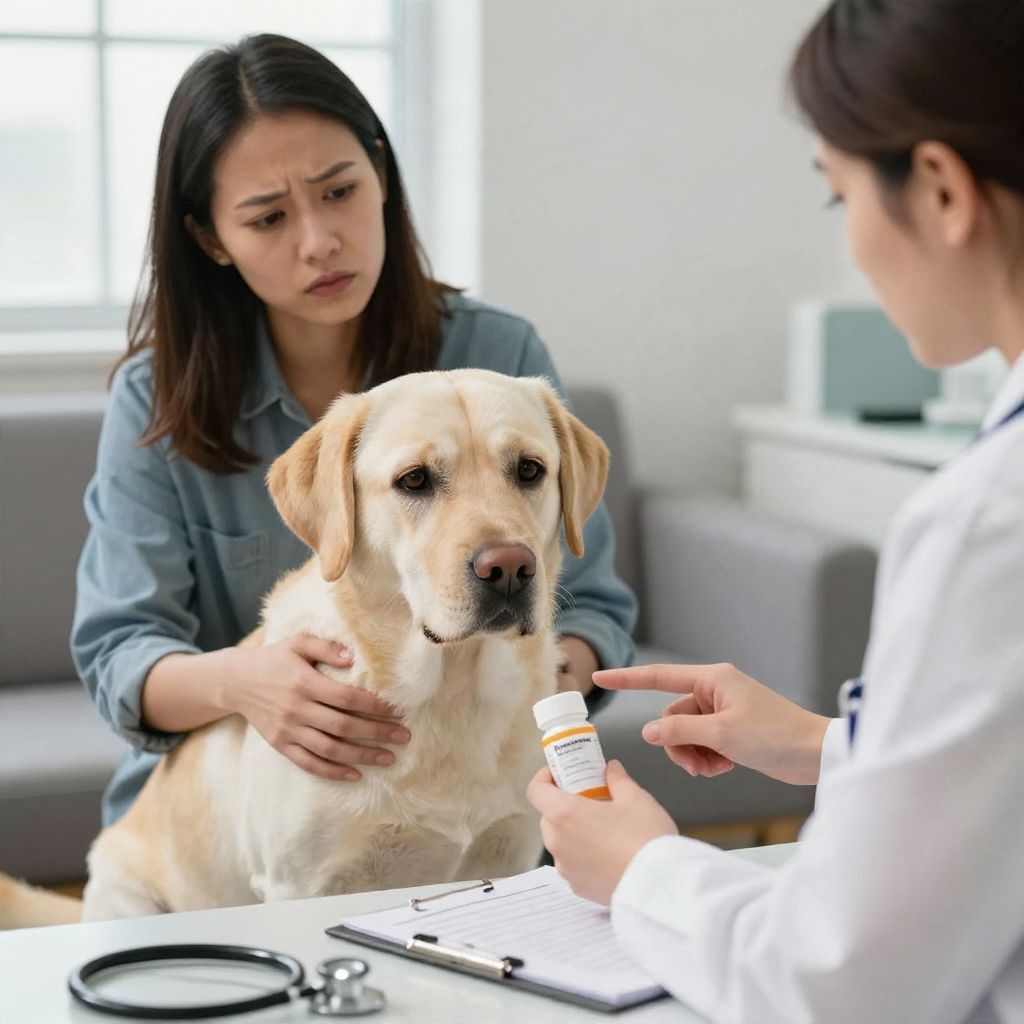
Can gabapentin kill a dog? In most cases, gabapentin is not fatal when it is prescribed correctly, but an overdose or a dog with other health problems can become very sick. The risk depends on the amount taken, the dog’s size, age, and any other medicines involved.
If your dog may have swallowed gabapentin that was not prescribed for them, contact your veterinarian or an emergency clinic right away. Do not wait for symptoms to “wear off,” especially if your dog is very sleepy, wobbly, or having trouble breathing.
Can Gabapentin Kill A Dog?
Gabapentin can be dangerous for dogs if they take too much, take it with other sedating medicines, or have certain medical conditions. While many dogs recover with prompt veterinary care, a large overdose or delayed treatment can become life-threatening. If ingestion was accidental, treat it as an urgent poison exposure.
What Gabapentin Does and Why It Can Be Risky
Gabapentin is a medication veterinarians may use for pain control, nerve pain, anxiety-related situations, or seizure support in some dogs. It can cause drowsiness and unsteadiness even at normal doses, which is why extra amounts can quickly become a problem.
The danger is not the same for every dog. A small puppy, an older dog, or a dog with kidney disease may be more sensitive than a healthy adult dog. Dogs that also took other calming medicines, pain relievers, or alcohol-containing products are at higher risk of severe effects.
Why accidental overdoses happen
- A dog chews a pill bottle or packet.
- Someone gives the wrong strength or the wrong number of capsules.
- A pet in the home receives another pet’s prescription.
- Gabapentin is combined with other medications without veterinary guidance.
Signs Your Dog May Have Taken Too Much Gabapentin
Common overdose signs include marked sleepiness, wobbliness, weakness, and slowed reactions. More serious signs can include vomiting, extreme confusion, collapse, or breathing changes. Any sudden change after a possible ingestion should be taken seriously.
Watch for these warning signs
- Very sleepy or hard to wake
- Stumbling, falling, or inability to stand normally
- Unusual eye movements or disorientation
- Vomiting or drooling
- Weakness or trembling
- Slow, shallow, or difficult breathing
- Collapse or unresponsiveness
Emergency signs: trouble breathing, collapse, seizures, blue or pale gums, or a dog who cannot be awakened normally need immediate veterinary care.
What To Do If Your Dog May Have Eaten Gabapentin
Act quickly and stay calm. The faster you get professional advice, the better the chance of preventing serious complications.
- Remove the medication so your dog cannot eat more.
- Check the bottle for the name, strength, and how many pills may be missing.
- Call your veterinarian, an emergency clinic, or a pet poison hotline right away.
- Tell them your dog’s weight, age, breed, health history, and any other medicines taken.
- Follow their instructions exactly.
Do not try to make your dog vomit unless a veterinarian specifically tells you to do so. Do not give food, milk, or “home detox” remedies unless instructed by a professional.
Why Some Dogs Are at Higher Risk
The same amount of gabapentin can affect dogs differently. Size, age, liver and kidney function, and other medications all matter. A dog that is already weak, sleepy, or ill may have a harder time handling even a moderate extra amount.
Higher-risk situations include
- Puppies and very small dogs
- Senior dogs
- Dogs with kidney disease or other chronic illness
- Dogs taking sedatives, anxiety medications, or certain pain medicines
- Dogs with a history of being sensitive to medications
If your dog has a medical condition, your veterinarian may want closer monitoring because gabapentin can stay in the body longer or affect them more strongly.
Can Gabapentin Be Safe for Dogs When Prescribed?
Yes, gabapentin can be used safely in many dogs when a veterinarian prescribes it and you follow directions carefully. The medication is often part of a broader treatment plan, not a stand-alone solution. Never change the dose or timing on your own.
If your dog seems too sedated, wobbly, or “not themselves” after a prescribed dose, contact your veterinarian. They may need to adjust the plan, check for interactions, or confirm that another problem is not causing the signs.
Helpful safety habits at home
- Store all medications in a secure cabinet.
- Keep pills in childproof containers, not loose on counters.
- Give only the medication and strength your vet prescribed for that dog.
- Use a written log if multiple people care for the dog.
- Keep medications away from curious dogs who chew bags or purses.
What Vets May Do After a Gabapentin Exposure
Treatment depends on how much may have been swallowed, when it happened, and your dog’s symptoms. Your veterinarian may recommend monitoring, decontamination, or hospital care if the situation is more serious.
In some cases, the vet may advise observation if the amount was small and the dog is acting normal. In other cases, they may recommend urgent evaluation, especially if your dog is very sleepy, unstable, or has taken other medications too.
Possible veterinary steps
- Physical exam and neurologic assessment
- Monitoring heart rate, breathing, and blood pressure
- IV fluids if needed
- Activated charcoal only if the veterinarian thinks it is appropriate
- Hospital observation for significant sedation or mixed exposures
Common Mistakes To Avoid
When a dog may have taken gabapentin, well-meaning mistakes can make the situation worse. The safest choice is to get professional guidance quickly and avoid guessing.
- Do not wait to see if symptoms get better on their own.
- Do not give another medication to “counteract” the effect.
- Do not assume a small dog cannot be affected by a few extra pills.
- Do not use a human dosing schedule for your dog.
- Do not ignore mild wobbliness if it is new after a possible ingestion.
When To Call the Vet Right Away
Call immediately if you suspect your dog swallowed gabapentin and you are not sure how much, or if your dog has any symptoms at all. Fast action matters most when the exposure is recent or when other drugs may also be involved.
Seek urgent help now if your dog has:
- Difficulty breathing
- Collapse or severe weakness
- Seizures
- Extreme sleepiness or unresponsiveness
- Repeated vomiting
- Blue, gray, or pale gums
How To Prevent Future Accidents
Prevention is mostly about medication storage and careful routines. Dogs are often drawn to dropped pills, open pill organizers, and purses or backpacks that contain medicine.
- Keep all prescriptions out of reach.
- Check the floor after giving any medication.
- Close pill bottles immediately after use.
- Never leave tablets on nightstands or counters.
- Ask your vet how to handle missed doses safely.
Bottom Line
Can gabapentin kill a dog? It can be dangerous, especially in an overdose or when combined with other medications, but prompt veterinary care greatly improves the outlook. If your dog may have eaten gabapentin, contact a vet or emergency clinic right away rather than waiting for symptoms to progress.
If you want more practical dog safety guidance, you may also find these articles useful: dog vomiting warning signs and what happens when a dog eats chocolate.