
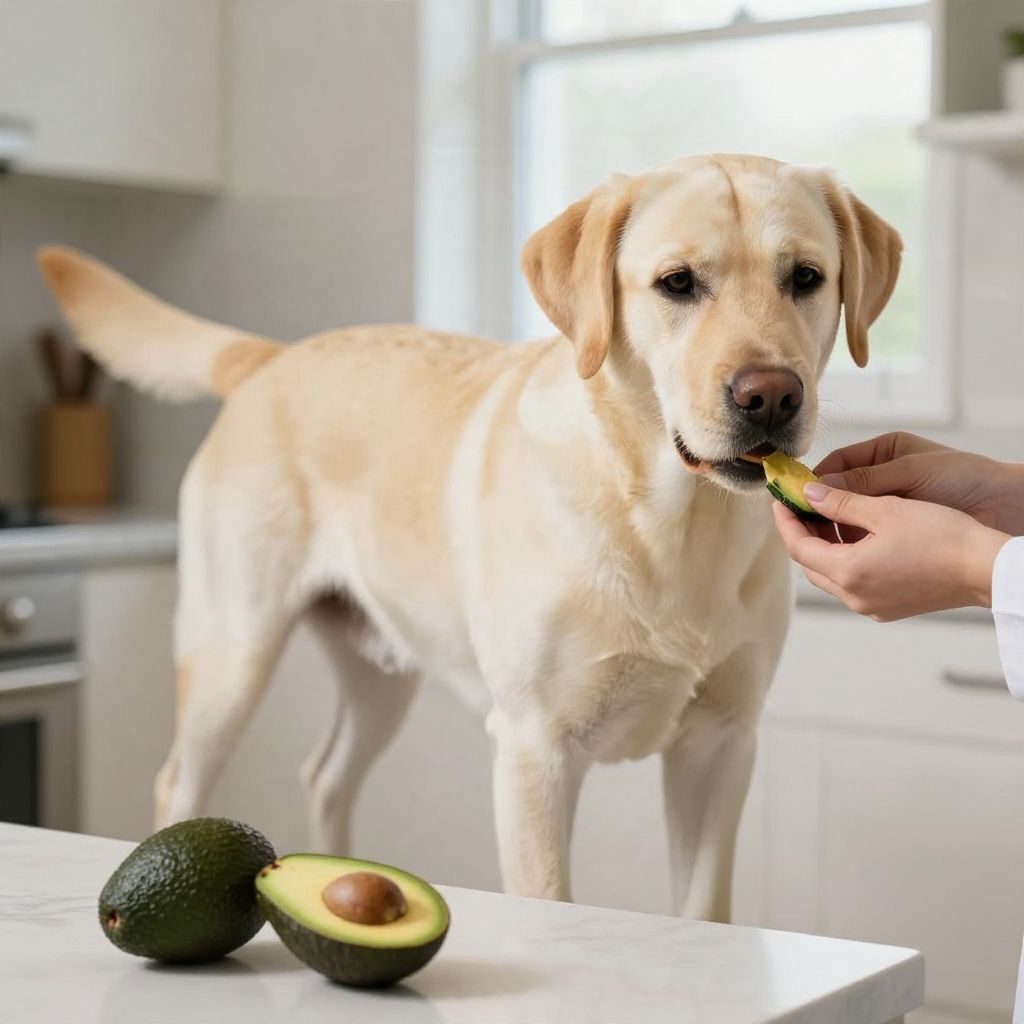
If you’re wondering, “Can my dog eat avocado?” the safest answer is: only in very small amounts of plain flesh, and only if your dog tolerates it. Avocado is not a healthy everyday treat for dogs, and some parts of the fruit can cause problems.
The pit, skin, and leaves are the biggest concerns, and rich avocado dishes like guacamole are unsafe because they often contain onion, garlic, salt, or other seasonings. If your dog ate avocado, what happens next depends on the amount, the form, and your dog’s size and health.
Can My Dog Eat Avocado?
Yes, dogs can usually eat a small amount of plain avocado flesh, but it should be an occasional treat, not a regular food. Avoid the pit, skin, and leaves, and never give guacamole or avocado dishes with seasoning. If your dog has vomiting, diarrhea, choking, or swelling, call your veterinarian promptly.
What Parts of Avocado Are Unsafe for Dogs?
Not every part of an avocado carries the same risk. The flesh is the least concerning in small amounts, while the pit and skin are much more dangerous.
Pit
The pit is a serious choking hazard and can also block the stomach or intestines if swallowed. Even if a dog does not choke, a swallowed pit may require urgent veterinary treatment.
Skin
Avocado skin is tough and difficult to digest. It can irritate the stomach and, if swallowed in larger pieces, contribute to an obstruction.
Leaves and plant material
Avocado leaves and other plant parts are not appropriate for dogs. Keep them out of reach, especially if you grow avocado plants indoors or outdoors.
Guacamole and seasoned avocado foods
Guacamole is not safe for dogs because it often contains ingredients that can upset the stomach or be toxic, such as onion and garlic. Added salt, spices, and fats can also make digestive problems worse.
Why Avocado Can Be a Problem for Dogs
Avocado is high in fat, which means it can trigger stomach upset in some dogs and may be a poor choice for dogs with sensitive digestion or a history of pancreatitis. Even when the flesh itself is not toxic in typical small amounts, rich foods can still cause trouble.
- Digestive upset: vomiting, diarrhea, or gas
- Choking risk: especially from the pit
- Intestinal blockage: from swallowed pit or large skin pieces
- Seasoning hazards: onion, garlic, and excess salt in prepared foods
How Much Avocado Is Too Much?
There is no universal safe amount for every dog, and it is best not to treat avocado as a routine snack. A tiny bite of plain flesh may be tolerated by some dogs, while others may get an upset stomach from a small serving.
Size, age, and health all matter. A toy breed may react differently than a larger dog, and dogs with sensitive stomachs, obesity, or pancreatitis risk should avoid avocado altogether unless your veterinarian says otherwise.
What To Do If Your Dog Ate Avocado
If your dog ate a small amount of plain avocado flesh and seems normal, monitor closely for stomach upset. If your dog ate the pit, skin, a large amount, or any seasoned avocado food, contact your veterinarian or an emergency clinic for advice.
- Remove any remaining avocado or unsafe food from reach.
- Check whether the pit, skin, or seasoning was involved.
- Watch for vomiting, diarrhea, drooling, abdominal pain, or reduced appetite.
- Seek veterinary help right away if your dog is choking, struggling to breathe, or cannot keep water down.
Emergency warning signs
Get urgent veterinary care if you notice any of the following:
- Choking, gagging, or trouble breathing
- A swollen or painful abdomen
- Repeated vomiting or retching
- Lethargy, collapse, or weakness
- Signs of bowel obstruction, such as not eating, straining, or no stool
- Swelling of the face or hives after eating
Can Puppies Eat Avocado?
Puppies can be more likely to have stomach upset from rich foods because their digestive systems are still developing. They are also more vulnerable to choking and intestinal blockage from the pit or skin.
If you want to offer a treat to a puppy, keep it simple and very small. Plain avocado is not necessary for a puppy’s diet, and it is usually better to choose a safer, lower-fat treat approved by your veterinarian.
Can Senior Dogs Eat Avocado?
Senior dogs may be more sensitive to dietary changes, especially if they have pancreatitis, kidney disease, diabetes, or a history of digestive upset. For many older dogs, avocado is not the best treat choice.
If your senior dog has a medical condition or takes medication, ask your veterinarian before offering avocado or any new human food. A small treat that seems harmless can still cause trouble in a dog with a fragile digestive system.
Safer Ways To Offer Avocado, If You Choose To
If your veterinarian says avocado is okay for your dog, keep it plain and minimal. The goal is to avoid turning a rich human food into a regular snack.
- Offer only the soft flesh
- Remove the pit, skin, and any leaf material
- Serve a tiny amount, not a full portion
- Do not add salt, onion, garlic, chili, lime, or other seasonings
- Stop if your dog gets loose stool, vomiting, or itching
Avocado should never replace a balanced dog food. Treats of any kind should stay within your dog’s overall daily calorie needs.
Common Mistakes Dog Owners Make
Most avocado-related problems happen because the unsafe parts or unsafe recipes are overlooked. A few simple habits can prevent many emergencies.
- Leaving avocado pits where dogs can reach them
- Sharing guacamole or avocado toast with seasoning
- Assuming “natural” means “safe for dogs”
- Giving too much of a rich food at once
- Ignoring mild vomiting after a new food exposure
When You Should Call the Veterinarian
Call your veterinarian if your dog ate avocado and you are unsure what part was eaten, how much was eaten, or whether the food contained onion, garlic, or other risky ingredients. This is especially important for puppies, small dogs, and dogs with medical conditions.
You should also call if your dog develops vomiting, diarrhea, abdominal discomfort, reduced appetite, or unusual behavior after eating avocado. Even mild signs can become more serious if a pit or large skin piece was swallowed.
The Bottom Line
Can my dog eat avocado? Sometimes, in very small amounts of plain flesh, but it is not an ideal treat and the pit, skin, and seasoned avocado foods are unsafe. If your dog ate avocado and you are worried, contact your veterinarian for guidance rather than guessing.
If you want to read more, these related guides may help: can dogs eat avocado and can dogs eat guacamole.