
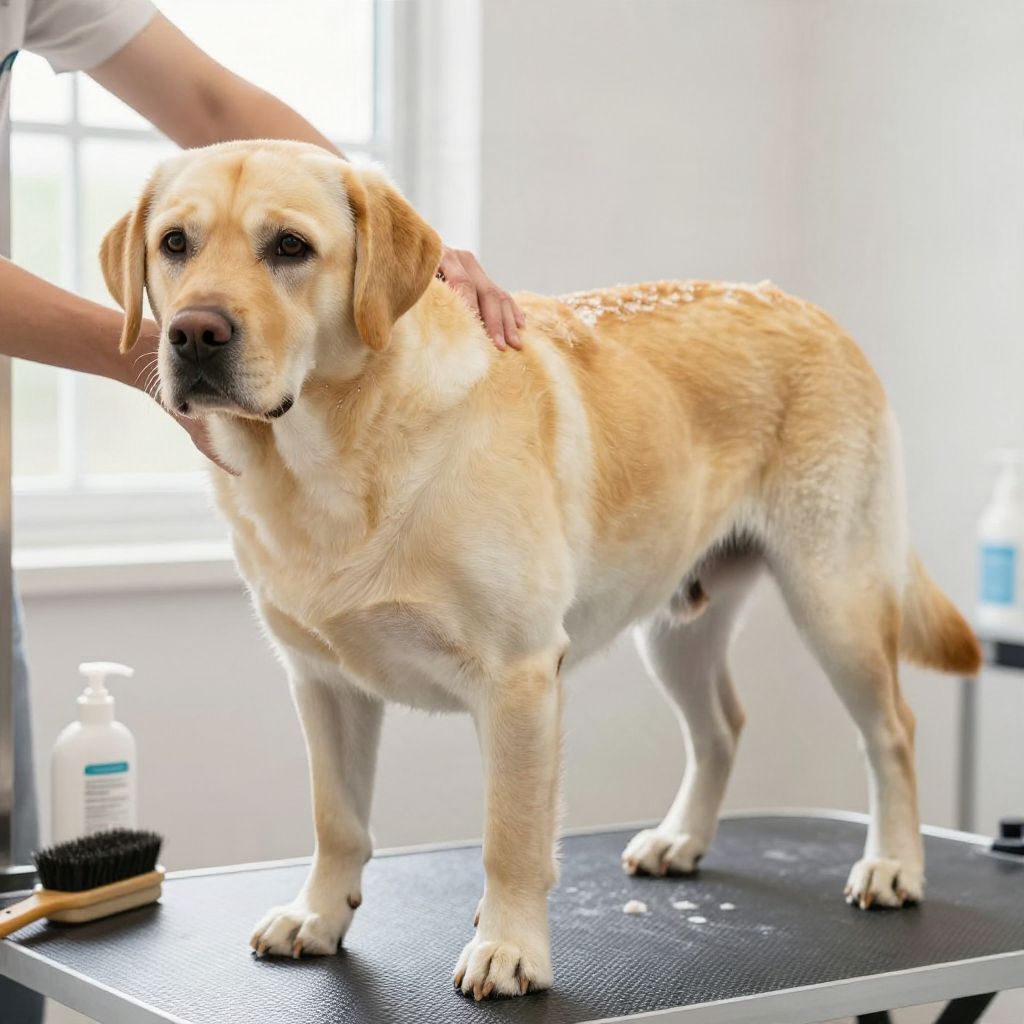
Can dogs have dandruff? Yes—dogs can develop flaky skin just like people, and it can range from mild dryness to a sign of an underlying health problem. The flakes themselves are often not dangerous, but the cause may need attention.
If your dog has dandruff, the right response depends on whether it is occasional dryness or part of itching, redness, odor, hair loss, or other skin changes. Good grooming, balanced nutrition, and a vet check when symptoms persist can make a big difference.
Can dogs have dandruff?
Yes. Dogs can have dandruff, which appears as small white flakes in the coat or on bedding. Mild dandruff may come from dry skin, grooming issues, or seasonal changes, but persistent flaking can also point to allergies, parasites, infection, or another medical condition.
What dandruff in dogs usually looks like
Dandruff is a symptom, not a diagnosis. You may notice:
- White flakes on the coat, collar, or furniture
- Dry, dull, or rough-looking fur
- Mild itching or increased scratching
- Skin that looks flaky, scaly, or slightly oily
Some dogs only have flakes on the back or shoulders, while others develop them over the whole body. The pattern can vary with coat type, grooming routine, environment, and health status.
Common reasons dogs get dandruff
Several issues can cause a dog to have dandruff, and more than one factor may be involved.
Dry skin
Low humidity, indoor heating, frequent bathing, or harsh shampoos can dry out the skin. Dogs with short coats, thick undercoats, or sensitive skin may be more prone to visible flaking.
Grooming gaps
Some dogs need regular brushing to remove loose hair and spread natural skin oils. Without enough grooming, dead skin and coat debris can build up and look like dandruff.
Allergies
Environmental allergies, food sensitivities, or contact irritation can lead to itchy, flaky skin. Allergic dogs may also lick, chew, or rub their skin more than usual.
Parasites
Fleas, mites, and other parasites can trigger irritation and scaling. In some cases, the flakes are accompanied by intense itching, hair loss, crusts, or redness.
Skin infection
Bacterial or yeast infections can cause flaking, odor, greasy skin, or inflamed patches. These problems often need veterinary diagnosis and treatment.
Underlying health conditions
Hormonal disorders, nutritional imbalances, and other medical issues can affect skin and coat health. If dandruff is persistent or widespread, a vet should help rule out these causes.
When dandruff is harmless and when it is not
Occasional light flaking without other symptoms may be a minor grooming or dryness issue. Persistent dandruff, especially with itching, redness, odor, pain, or hair loss, deserves a veterinary exam.
- Usually less concerning: a few flakes after a dry spell or a bath with a drying shampoo
- More concerning: ongoing flakes that do not improve with routine care
- Urgent: open sores, severe itching, swelling, pus, sudden hair loss, or a dog who seems unwell
Red flags that need a vet visit
Contact your veterinarian promptly if your dog’s dandruff comes with any of the following:
- Strong itching, constant scratching, or self-trauma
- Red, inflamed, or painful skin
- Bad smell from the skin or coat
- Greasy coat, scabs, or crusting
- Patchy or widespread hair loss
- Lethargy, fever, reduced appetite, or behavior changes
- Signs of parasites, such as fleas or tiny moving specks in the coat
If your dog has swelling, trouble breathing, collapse, or a rapid worsening skin reaction after a new food, shampoo, or medication, seek urgent veterinary care right away.
How to help a dog with dandruff at home
Home care can help mild cases, but it should support—not replace—veterinary care when symptoms are ongoing.
- Brush regularly. Use a brush suited to your dog’s coat to remove loose hair and skin flakes.
- Bathe only as needed. Overbathing can worsen dryness. Use a gentle dog shampoo recommended for sensitive skin if your vet agrees.
- Rinse thoroughly. Leftover shampoo can irritate skin and increase flaking.
- Check for parasites. Keep up with veterinarian-recommended flea and parasite prevention.
- Improve indoor humidity. Dry air can worsen flaky skin, especially in winter.
- Monitor changes. Note when the dandruff started, where it appears, and whether itching or odor is present.
What not to do
- Do not use human dandruff products unless your veterinarian specifically says they are safe.
- Do not scrub the skin aggressively.
- Do not assume all flakes are just “dry skin” if the problem keeps coming back.
- Do not use essential oils or home remedies without veterinary guidance.
Feeding guide for dogs with dandruff
Diet can affect skin and coat health, but food alone is not a cure-all. A complete and balanced dog food is the foundation, and any diet change should be made carefully.
What to look for in a diet
- A nutritionally complete food appropriate for your dog’s life stage
- Consistent feeding rather than frequent switching between foods
- Veterinary guidance if you suspect a food allergy or sensitivity
Some dogs with skin issues benefit from a diet review, especially if they also have digestive signs, recurring ear problems, or chronic itch. Your veterinarian may suggest a structured dietary trial if food allergy is suspected.
Supplements and skin health
Some supplements are marketed for coat health, but not every product is useful or appropriate for every dog. Ask your vet before adding fish oil, vitamins, or other supplements, especially if your dog has a medical condition or takes medication.
Feeding mistakes that can worsen skin issues
- Frequent diet changes without a plan
- Unbalanced homemade diets
- Too many treats or table scraps replacing a complete diet
- Using supplements as a substitute for diagnosing the real cause
Does breed, age, or coat type matter?
Yes, but not in a one-size-fits-all way. Individual dogs vary, and breed tendencies are only tendencies, not guarantees.
Coat and grooming differences
Dogs with dense double coats may trap loose skin and hair if not brushed enough. Short-coated dogs can also have dandruff, especially if their skin is dry or irritated.
Age considerations
Puppies can develop flaking from irritation, parasites, or bathing mistakes, while senior dogs may have drier skin or underlying health problems that affect the coat. Any age can be affected, so don’t dismiss dandruff because your dog is “too young” or “just old.”
Individual health matters most
A dog with allergies, endocrine disease, chronic stress, or a history of skin problems may need more targeted care than a healthy dog with a temporary dry spell. Your dog’s history matters more than breed labels alone.
How veterinarians may evaluate dandruff
If the problem persists, your vet may examine the skin and coat, check for parasites, and ask about diet, grooming, and environment. Depending on the findings, they may recommend skin tests, parasite treatment, or a diet trial.
Bring details that can help narrow the cause:
- When the flakes started
- Whether the problem is seasonal or constant
- Any itching, odor, redness, or hair loss
- Recent grooming products, foods, or household changes
- Whether other pets or people in the home have skin symptoms
Preventing dandruff from coming back
Prevention depends on the cause, but a steady routine often helps.
- Brush according to your dog’s coat needs
- Use gentle, dog-safe grooming products
- Keep parasite prevention current
- Feed a balanced diet consistently
- Address itching early instead of waiting for the skin to worsen
- Follow your vet’s plan if allergies or skin disease are diagnosed
If your dog’s dandruff keeps returning, the goal is not just to reduce flakes but to find why the skin barrier is struggling in the first place.
Bottom line
Can dogs have dandruff? Yes, and mild cases are often manageable with better grooming, careful bathing, and a balanced diet. But if the flakes are persistent or come with itching, redness, odor, hair loss, or discomfort, your veterinarian should evaluate your dog.
For more background on flaky skin in dogs, you may also find why dogs get dandruff and this related guide on dog dandruff helpful.