
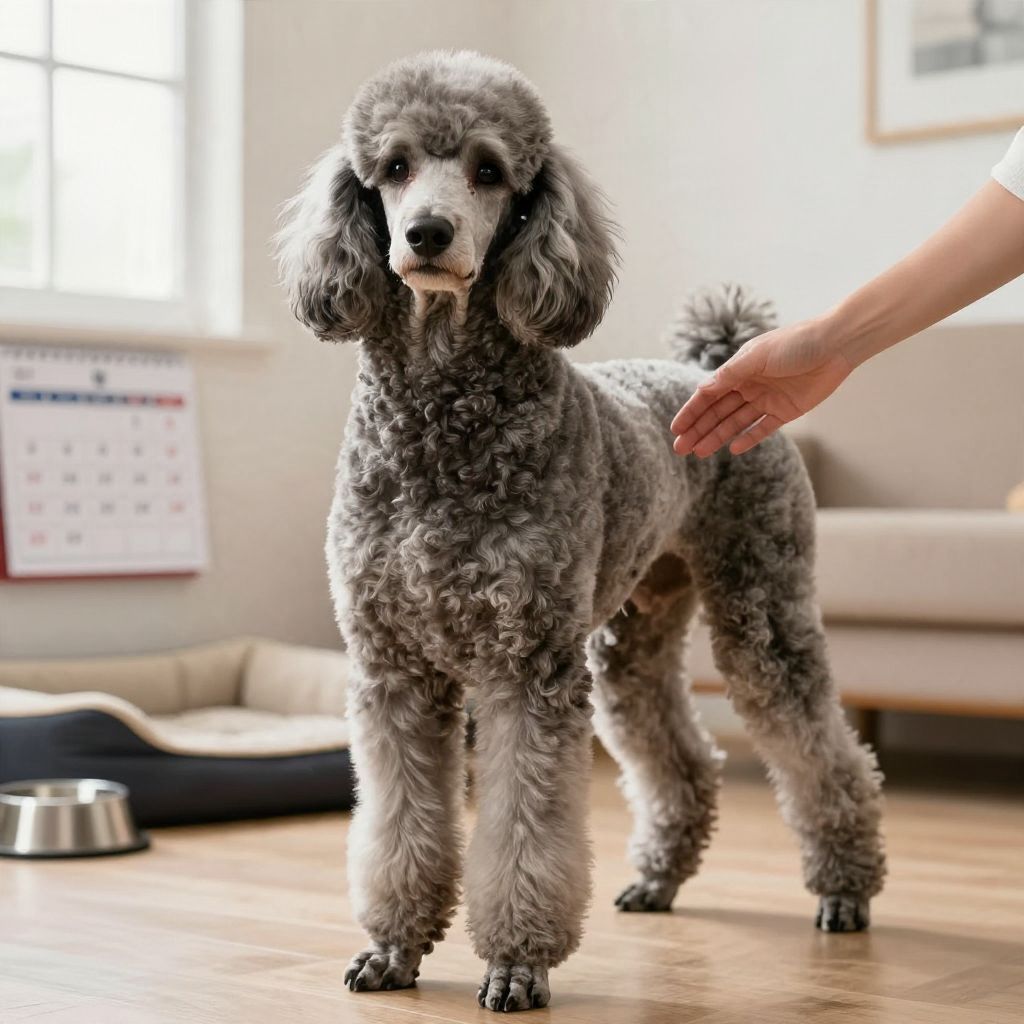
If you’re wondering how long Standard Poodles live, the short answer is that many live into their early teens, though individual lifespan varies. Genetics, size, preventive care, diet, exercise, and luck all play a role.
Knowing what to expect at each life stage can help you support your Poodle’s health, spot changes early, and make the most of every year together.
How Long Do Standard Poodles Live?
Standard Poodles often live around 12 to 15 years, though some live longer with good care and some live less due to illness or injury. Their lifespan depends on genetics, body condition, routine veterinary care, activity level, and whether age-related problems are detected early.
What Affects a Standard Poodle’s Lifespan?
No breed has a guaranteed lifespan. Even within the same litter, one dog may age slowly while another develops health issues earlier.
Genetics and family history
Inherited conditions can influence how long a Standard Poodle lives. A breeder’s health testing and the health history of close relatives can matter, but they do not guarantee a specific outcome.
Body size and weight
Larger dogs often age differently than smaller dogs, and excess weight can add strain to joints, heart, and metabolism. Keeping your Poodle lean is one of the most practical ways to support long-term health.
Preventive veterinary care
Regular exams help catch problems before they become advanced. Dental disease, endocrine disorders, joint issues, and some cancers may be easier to manage when found early.
Daily lifestyle
Consistent exercise, mental enrichment, safe socialization, and a balanced diet all support overall wellness. A sedentary life or chronic stress can affect quality of life, even if a dog lives a long time.
What a Standard Poodle’s Life Timeline Often Looks Like
Age alone does not define health, but many owners find it useful to think in stages. Your dog may move through these stages faster or slower than average.
Puppy to young adult: 0 to about 2 years
This is the growth and training phase. Your focus should be on vaccination, parasite prevention, socialization, house training, and building good habits with positive reinforcement.
- Keep veterinary visits on schedule.
- Introduce new people, places, and sounds gradually.
- Protect growing joints with age-appropriate exercise.
Adult years: about 2 to 7 years
Most Standard Poodles are energetic, trainable, and mentally active during adulthood. This is a good time to maintain a healthy weight, keep up grooming, and watch for subtle changes in appetite, stamina, or behavior.
- Maintain regular exercise and enrichment.
- Schedule routine wellness exams.
- Monitor ears, skin, teeth, and movement.
Senior years: about 7 years and older
Some Standard Poodles begin showing age-related changes in the senior years, though the exact timing varies. You may notice slower movement, more sleep, stiffness after rest, or changes in hearing or vision.
- Ask your vet whether more frequent checkups are appropriate.
- Watch for pain, confusion, or mobility changes.
- Adjust exercise to stay gentle but consistent.
Common Health Issues That Can Affect Longevity
Not every Standard Poodle will develop serious disease, but awareness helps you act early. A veterinarian can guide screening based on your dog’s age and individual risk.
Joint and mobility problems
Arthritis, hip issues, and other orthopedic problems can reduce activity and quality of life. Early signs may include stiffness, reluctance to jump, slower walks, or trouble rising.
Eye and ear concerns
Poodles can be prone to eye problems and ear infections, especially if grooming and cleaning are inconsistent. Redness, discharge, head shaking, odor, or pawing at the ears should be checked.
Dental disease
Poor dental health can affect comfort, eating, and overall well-being. Bad breath, bleeding gums, or dropping food are reasons to ask your vet about dental evaluation.
Endocrine and metabolic disease
Conditions such as diabetes or thyroid disease can change weight, energy, thirst, and coat quality. These issues often need veterinary diagnosis and ongoing management.
Cancer and other serious illness
As dogs age, the risk of cancer and organ disease increases. Unexplained lumps, weight loss, persistent vomiting, coughing, or a sudden decline in energy should be assessed promptly.
Signs Your Standard Poodle May Be Entering the Senior Stage
Some changes are normal with age, but they should still be monitored. Gradual shifts can be easy to miss if you see your dog every day.
- Slower walking or less interest in long outings
- Stiffness after naps or in the morning
- More sleep or less playfulness
- Changes in hearing, vision, or response to cues
- Accidents in the house after being reliably trained
- Changes in appetite, thirst, or weight
If these changes happen suddenly, or if they interfere with daily life, contact your veterinarian rather than assuming it is “just old age.”
How to Help Your Standard Poodle Live a Longer, Healthier Life
You cannot control every factor, but you can strongly influence your dog’s quality of life. The goal is steady, sustainable care rather than perfection.
Keep your dog lean
Extra weight can shorten healthy years by increasing strain on joints and organs. If you can’t easily feel your dog’s ribs or see a waist from above, ask your vet whether weight management is needed.
Feed a complete, age-appropriate diet
Choose a nutritionally complete food that fits your dog’s life stage and health needs. Avoid using table scraps or trendy extras as a main diet, since they can unbalance nutrition.
Exercise the body and mind
Standard Poodles usually need both physical activity and mental work. Walks, scent games, training sessions, puzzle feeders, and safe play can all help keep them engaged.
Stay on top of grooming
Regular brushing, coat care, and ear cleaning can help prevent mats, skin irritation, and ear problems. Grooming also gives you a chance to notice lumps, sore spots, or changes in the skin.
Use preventive veterinary care
Wellness exams, vaccines, parasite prevention, dental care, and recommended screening tests all support longevity. Ask your vet what schedule makes sense for your dog’s age and history.
Make the home senior-friendly when needed
As your Poodle ages, small changes can reduce strain and stress.
- Use non-slip rugs on slick floors
- Provide supportive bedding
- Use ramps or steps if jumping becomes hard
- Keep food, water, and resting areas easy to reach
Warning Signs That Need Prompt Veterinary Attention
Some problems should not wait for a routine appointment. Seek veterinary care quickly if you notice any of the following:
- Difficulty breathing
- Collapse, severe weakness, or inability to stand
- Repeated vomiting or diarrhea, especially with blood
- A swollen or painful abdomen
- Sudden blindness, disorientation, or seizures
- Refusal to eat or drink for more than a day, especially in a senior dog
- Severe pain, limping, or crying out when moving
These can be emergencies. If your dog has trouble breathing, collapses, has a swollen belly, or seems severely distressed, contact an emergency veterinarian right away.
How to Tell Whether Your Poodle Is Aging Well
A healthy older Standard Poodle may slow down, but still enjoy daily life. Good signs include steady appetite, stable weight, normal bathroom habits, and interest in family routines.
If your dog still wants to interact, can move comfortably, and recovers well after activity, those are encouraging signs. If you notice gradual decline, ask your veterinarian whether pain management, diet changes, or additional testing could help.
Common Mistakes That Can Shorten Quality of Life
Some of the most preventable problems are also the easiest to overlook.
- Waiting too long to address stiffness or limping
- Letting weight creep up over time
- Skipping dental care
- Ignoring ear odor, redness, or discharge
- Overexercising a puppy or forcing intense activity in a painful senior
- Assuming behavior changes are “normal aging” without a vet check
When to Ask for Extra Help
If your Standard Poodle is struggling with anxiety, pain, mobility loss, or behavior changes, reach out early. Your veterinarian may recommend diagnostics, pain relief options, or referral to a certified trainer or veterinary behaviorist for humane support.
For senior dogs, a proactive conversation can make a big difference. Small adjustments often improve comfort and preserve independence longer than owners expect.
Conclusion
So, how long do Standard Poodles live? Many reach 12 to 15 years, and some do even better with consistent care. Focus on a healthy weight, regular veterinary visits, grooming, exercise, and early attention to changes so your dog can enjoy the best possible life.
If you want to compare this breed’s lifespan with other dogs, you may also find how long Poodles live and how old dogs live helpful for broader context.