
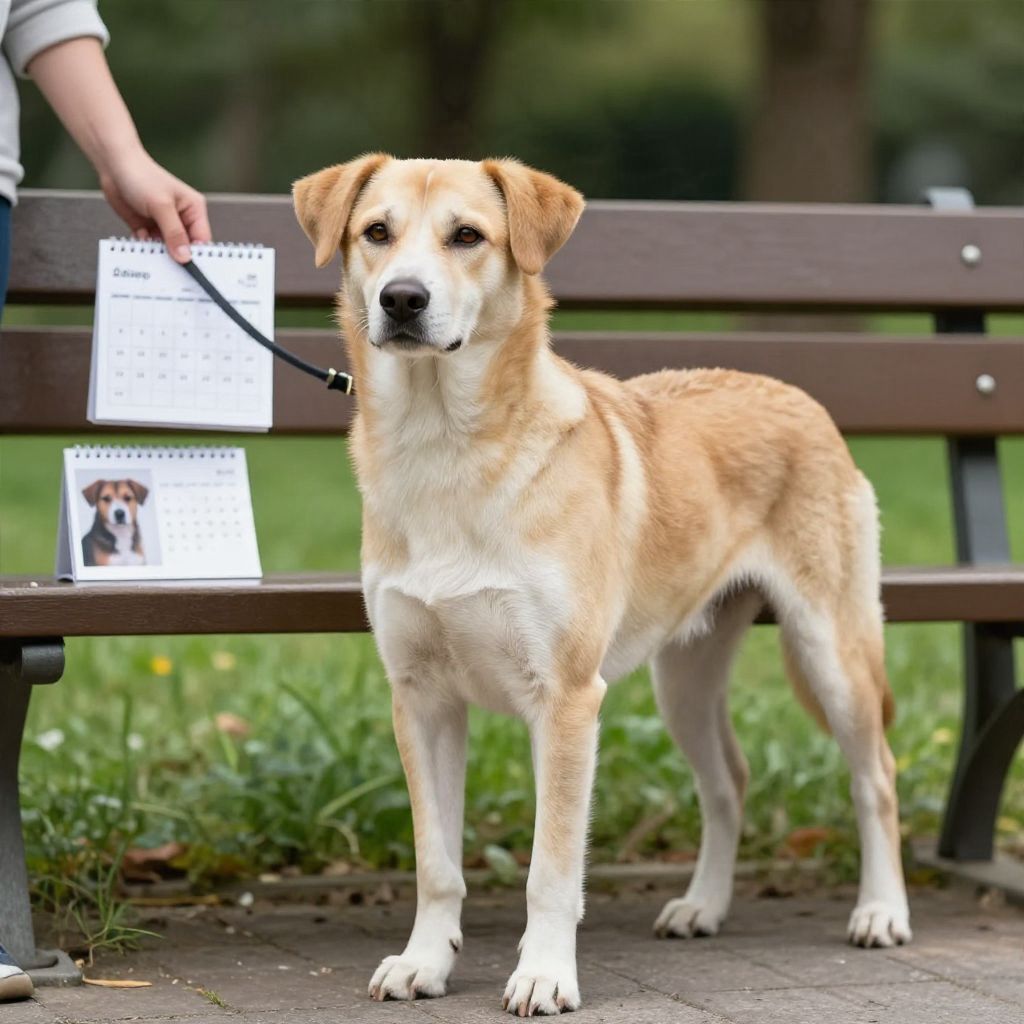
If you’re asking how many years is dog years, the short answer is that the old “1 dog year = 7 human years” rule is only a rough shortcut. Dogs age much faster in early life, and the pace changes with size, breed, and health.
A puppy becomes an adult far sooner than seven human years would suggest, while a senior dog may age more slowly in some years and faster in others. The best way to think about dog years is as an estimate, not an exact formula.
How many years is dog years?
Dog years are a way to compare a dog’s age to a human’s, but there is no single exact conversion. A common estimate is that the first year of a dog’s life equals about 15 human years, the second year adds several more, and each later year equals roughly 4 to 5 human years, with variation by size and breed.
Why the “7 dog years = 1 human year” idea is too simple
The 7-to-1 rule is easy to remember, but it does not reflect how dogs actually age. Dogs mature quickly in the first two years, then aging slows down, and later life can progress differently depending on body size and overall health.
For example, a 1-year-old dog is usually much more developed than a 7-year-old child in physical and social terms. By contrast, an older dog’s aging rate is not perfectly linear, so the same formula does not fit every life stage.
What affects a dog’s age in human years?
- Size: Small dogs often live longer and may age more slowly after maturity than giant breeds.
- Breed tendencies: Some breeds are more prone to earlier joint, heart, or breathing problems, but individual dogs vary.
- Health history: Chronic illness, injury, and dental disease can affect how “old” a dog seems functionally.
- Body condition: Overweight dogs often face more strain on joints and organs.
- Lifestyle: Good nutrition, exercise, preventive care, and regular vet visits support healthier aging.
Simple dog-to-human age guide
There is no perfect chart, but this general guide is useful for many dogs:
- 1 dog year: about 15 human years
- 2 dog years: about 24 human years
- Each year after 2: about 4 to 5 human years
This is only a broad estimate. A small adult dog may “convert” differently than a large or giant breed dog.
Examples by age
- 3-year-old dog: roughly early 30s in human years
- 5-year-old dog: roughly mid-30s to early 40s
- 8-year-old dog: often equivalent to the late 40s or 50s
- 12-year-old dog: often equivalent to the 60s or beyond, depending on size and health
How size changes the answer
When people ask how many years is dog years, size is one of the biggest reasons the answer varies. Small and medium dogs often stay physically youthful longer, while large and giant dogs may show signs of aging earlier.
Small dogs
Small dogs often reach adulthood quickly, but many remain active and mobile for a long time. They may not show senior changes until later than larger dogs, though dental disease and weight gain can still become issues.
Large and giant dogs
Larger dogs tend to age faster after maturity and may develop arthritis, heart strain, or mobility changes sooner. That does not mean every large dog will become “old” at the same age, but it does mean you should watch for earlier senior-care needs.
How to tell if your dog is entering senior years
Age in human years is only part of the picture. Your dog’s behavior, energy, and body condition often tell you more about their life stage than the number alone.
- Slower getting up after rest
- Stiffness after exercise
- Less interest in long play sessions
- Cloudy eyes or hearing changes
- Weight gain or loss
- More sleep than usual
- Changes in appetite, thirst, or bathroom habits
These changes can be normal aging signs, but they can also signal medical problems. If changes are sudden, severe, or progressive, schedule a veterinary exam.
How to care for a dog as they age
Once you understand how many years is dog years in practical terms, you can adjust care to match your dog’s life stage. Senior dogs often benefit from small changes that protect comfort, mobility, and quality of life.
1. Keep up with veterinary checkups
Older dogs benefit from regular exams because health issues may develop gradually. Your veterinarian may recommend more frequent wellness visits, especially for dogs with arthritis, dental disease, heart concerns, or weight changes.
2. Watch weight closely
Extra weight can make aging harder on joints and the heart. If your dog is gaining or losing weight without a clear reason, ask your vet for guidance rather than trying to adjust the diet on your own.
3. Support joint comfort
Many older dogs need gentler exercise, easier access to beds, and non-slip flooring. Short, regular walks are often better than occasional intense activity.
4. Prioritize dental care
Dental disease is common and can affect comfort, eating, and overall health. If your dog has bad breath, drooling, pawing at the mouth, or trouble chewing, a veterinary dental check is a good idea.
5. Make the home easier to navigate
- Use ramps or steps for furniture and vehicles if needed
- Provide supportive bedding
- Keep food and water easy to reach
- Use rugs or runners on slippery floors
Common mistakes people make when estimating dog age
When people try to convert dog years, a few mistakes come up often. Avoiding them helps you make better care decisions.
- Assuming all dogs age the same: Breed, size, and health matter.
- Using only the calendar age: A dog’s body condition and behavior matter too.
- Ignoring early senior signs: Small changes can be meaningful.
- Overexercising older dogs: They still need movement, but it should fit their ability.
- Waiting too long for vet care: Aging changes can hide treatable disease.
When age changes may mean a health problem
Some signs are more than normal aging. If you notice any of the following, contact your veterinarian promptly:
- Sudden weakness or collapse
- Labored breathing
- Repeated vomiting or diarrhea
- Refusing food for more than a day, or a sudden major appetite change
- Drinking or urinating much more than usual
- New confusion, disorientation, or pacing
- Visible pain, limping, or crying out
Seek urgent veterinary care immediately if your dog has trouble breathing, cannot stand, has a swollen abdomen, has a seizure, or may have swallowed something toxic or dangerous.
How to think about dog years for puppies, adults, and seniors
The meaning of dog years changes with life stage. A puppy’s first two years are a period of rapid development, while adult years are more stable, and senior years often need more monitoring.
Puppies
Puppies mature quickly, so their “human age” rises fast. That is why early training, socialization, and safe puppy care matter so much in the first year.
Adult dogs
Adult dogs are usually in their most stable life stage. Exercise, training refreshers, and preventive care help keep them healthy as they move through middle age.
Senior dogs
Senior dogs often need more comfort, more routine, and closer attention to medical changes. Many still enjoy walks, play, and training, but they may need shorter sessions and more rest.
Helpful guidelines for matching care to your dog’s age
If you want a practical answer to how many years is dog years, use age as a guide for care rather than a strict number. Focus on what your dog needs now.
- Track your dog’s age and weight.
- Notice changes in energy, mobility, appetite, and bathroom habits.
- Adjust exercise to fit comfort and stamina.
- Keep up with parasite prevention, vaccines, and dental care as advised by your vet.
- Ask your veterinarian when your dog should be considered senior based on size and health.
Bottom line
So, how many years is dog years? There is no exact universal answer, but the first two years of life count much faster than later years, and size, breed, and health all matter. Use the estimate as a guide, then let your dog’s real needs shape their care.
If you want to understand aging more deeply, you may also find how dogs age and how long dogs live helpful for putting your dog’s age into perspective.