
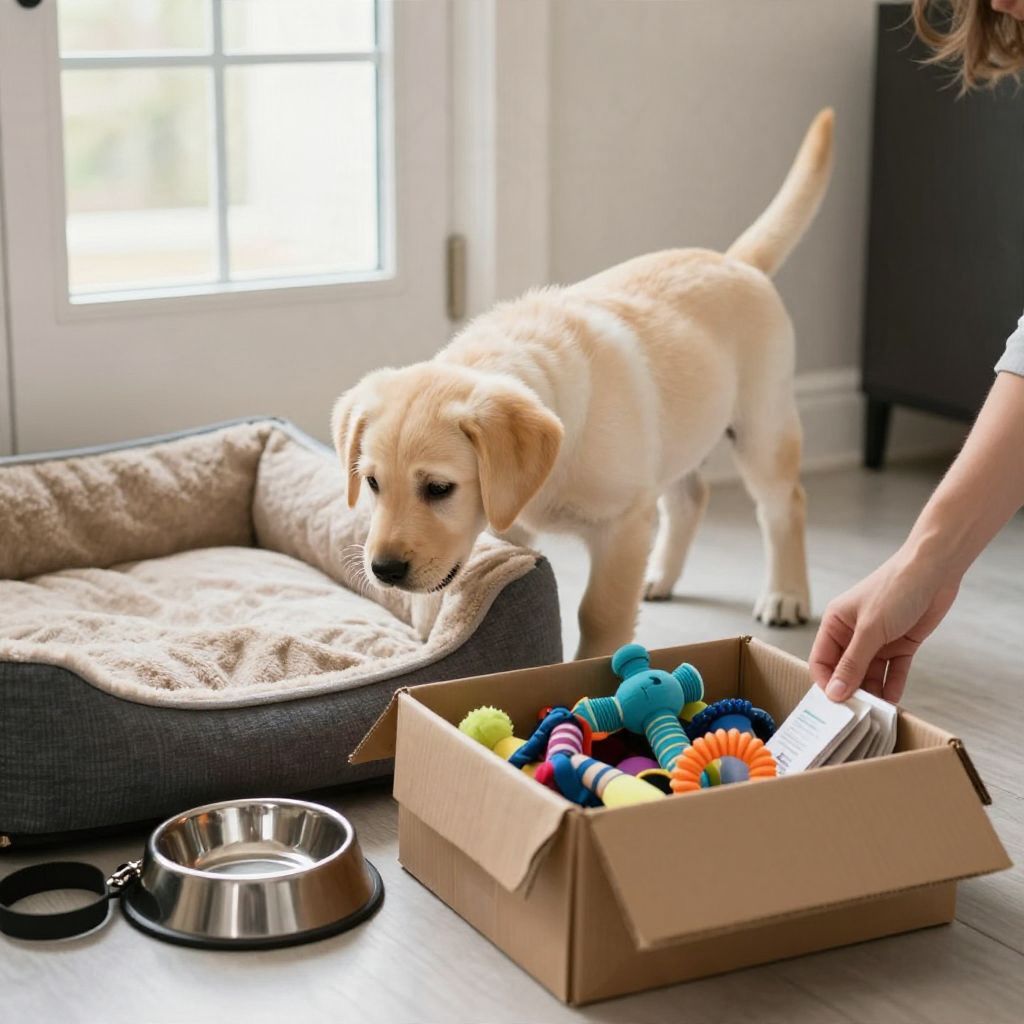
Getting ready for a new puppy is exciting, but a little preparation now can make the first weeks calmer, safer, and easier for both of you. The goal is to set up your home, plan routines, and know what your puppy will need before they arrive.
Focus on safety, sleep, toilet training, feeding, and early socialization. If you prepare the environment and your schedule in advance, you can help your puppy settle in faster and start learning good habits from day one.
How To Prepare For A New Puppy?
Prepare for a new puppy by puppy-proofing your home, buying essential supplies, choosing a veterinarian, and planning a consistent routine for feeding, toilet breaks, sleep, and training. Set up a safe space, remove hazards, and arrange calm introductions so your puppy can adjust with less stress and fewer accidents.
Set Up Your Home Before Puppy Arrives
Your home should be safe, simple, and easy to supervise. Puppies explore with their mouths, so prevention matters more than correction.
Puppy-proof the main areas
- Put away shoes, cords, remote controls, and small objects they could swallow.
- Move cleaning products, medicines, pesticides, and trash out of reach.
- Block access to stairs, balconies, pools, or rooms you cannot supervise.
- Check for houseplants that may be irritating or toxic if chewed.
- Use baby gates or exercise pens to limit access while you train.
Create a safe resting zone
Pick one quiet area where your puppy can sleep, relax, and learn to settle. A crate, pen, or gated room can work well if introduced gently and never used as punishment.
- Include a comfortable bed or blanket.
- Keep water nearby if appropriate for your setup.
- Place toys in the area so the puppy has legal chewing options.
- Choose a spot away from heavy foot traffic and loud noise.
Buy the Essential Puppy Supplies
You do not need everything in the pet store, but a few basics will make the transition smoother. Choose items that match your puppy’s size, age, and chewing style.
- Food and water bowls that are sturdy and easy to clean
- High-quality puppy food recommended by your vet or breeder
- Collar or harness and a leash sized for a young dog
- Crate or exercise pen for safe confinement and training
- Enrichment toys such as chew toys and treat puzzles
- Cleaning supplies for accidents and odor control
- Brush, nail trimmer, and puppy-safe grooming tools
If your puppy is very small, very large, or a breed with special coat or body needs, some products may need to be adjusted. For example, harness fit, crate size, and toy durability should match the individual puppy rather than a breed label alone.
Choose a Veterinarian and Plan Early Health Care
Book a first veterinary visit soon after your puppy comes home, or sooner if the breeder, rescue, or shelter recommends it. Early care helps confirm your puppy is healthy and keeps vaccinations, parasite prevention, and microchipping on track.
- Ask when the first exam should happen.
- Bring any records, including vaccination and deworming history.
- Discuss flea, tick, and heartworm prevention where relevant to your area.
- Ask what signs should prompt an urgent call.
Seek urgent veterinary care if your puppy has trouble breathing, repeated vomiting, severe diarrhea, collapse, seizures, a swollen abdomen, pale gums, inability to stand, or possible exposure to a toxin or foreign object. Do not wait to “see if it passes” when these signs are present.
Plan Food, Feeding, and Toilet Training Before Day One
Consistency helps puppies learn faster. Decide in advance what food they will eat, where they will eat, and how you will manage toilet breaks.
Feeding setup
- Use the same diet your puppy was already eating at first, unless your vet advises otherwise.
- If you need to change foods, transition gradually to reduce stomach upset.
- Feed measured meals instead of free-feeding unless your veterinarian recommends a different approach.
- Keep fresh water available.
Toilet training plan
Choose one outdoor toilet spot and take your puppy there often, especially after waking, eating, drinking, playing, and napping. Praise calmly when they eliminate in the right place.
- Expect frequent accidents at first; puppies have limited bladder control.
- Supervise closely indoors or use a crate/pen when you cannot watch them.
- Clean accidents with an enzymatic cleaner to reduce repeat soiling.
- Do not punish accidents; that can make puppies hide when they need to go.
If you want a deeper step-by-step routine, you may also find how to toilet train a puppy in 7 days helpful as a practical starting point, though every puppy learns at a different pace.
Prepare for Sleep, Alone Time, and Nighttime Needs
Most puppies need frequent rest, and many struggle with being alone at first. Planning for both sleep and separation helps prevent overwhelm.
- Set a predictable bedtime routine.
- Keep nighttime trips to the toilet calm and boring.
- Expect some whining or restlessness during adjustment.
- Build alone time gradually so your puppy learns that being apart is safe.
Very young puppies may need nighttime toilet breaks. That need varies with age, size, and individual development, so follow the advice of your breeder, rescue, or veterinarian.
Start Training and Socialization Right Away
Training begins the moment your puppy comes home. Keep sessions short, gentle, and reward-based so learning feels safe and rewarding.
What to teach first
- Their name
- Coming when called in low-distraction settings
- Handling for grooming and vet care
- Loose-leash walking basics
- Settle on a mat or bed
- “Leave it” and “drop it” for safety
Socialization means positive exposure
Socialization is not about forcing your puppy to meet everyone. It means carefully introducing them to different people, sounds, surfaces, dogs, and environments in a way that keeps them comfortable.
- Use treats, praise, and distance to keep experiences positive.
- Let your puppy observe new things without pressure.
- Avoid dog parks and crowded areas until your veterinarian says it is safe and your puppy has appropriate protection.
- Stop if your puppy seems frightened, shut down, or overwhelmed.
If you need more practical guidance on early behavior, how to discipline a puppy explains humane, reward-based ways to guide behavior without fear or punishment.
Think About Exercise, Enrichment, and Breed-Specific Needs
All puppies need movement and mental stimulation, but the right amount depends on age, body size, and health. Some puppies are naturally more energetic or more cautious than others, and individual temperament matters.
- Use short play sessions rather than long, intense exercise.
- Offer chew toys, food puzzles, and sniffing games.
- Keep activities age-appropriate to protect growing joints.
- Adjust expectations for brachycephalic, giant, toy, or high-drive puppies based on their individual needs and your vet’s advice.
When in doubt, choose calm enrichment over heavy exercise. A tired puppy is not always a well-adjusted puppy; a puppy that has learned to relax is usually easier to live with.
Plan for Grooming and Handling Early
Even if your puppy has a short coat, early handling makes future care much easier. Start small and keep each session positive.
- Touch paws, ears, tail, and mouth gently for short periods.
- Brush the coat if needed, using a soft tool.
- Introduce nail trims gradually.
- Make bath time calm and brief if your puppy needs one.
Different coat types and body sizes may need different grooming routines. If your puppy has a coat that mats easily or sheds heavily, ask a groomer or veterinarian what maintenance to expect.
Set House Rules and Family Expectations
Everyone in the home should follow the same plan. Mixed messages make training harder and can increase stress for the puppy.
- Decide where the puppy can go.
- Agree on feeding times and toilet breaks.
- Choose the words you will use for cues.
- Teach children how to interact calmly and respectfully.
- Supervise all interactions between young children and the puppy.
Make sure everyone knows not to chase, hug tightly, disturb the puppy while sleeping, or take toys and food without a plan. Calm, predictable handling supports trust.
Common Mistakes to Avoid
Many new puppy problems are caused by unrealistic expectations rather than “bad behavior.” Avoid these common mistakes to make the transition smoother.
- Expecting the puppy to be housetrained immediately
- Giving too much freedom too soon
- Using punishment instead of management and rewards
- Skipping sleep and overdoing stimulation
- Changing food too quickly
- Delaying the first vet visit
- Allowing rough or unsupervised interactions with other dogs
When to Ask for Professional Help
Some issues are normal adjustment challenges, but others need expert support. Getting help early can prevent small problems from becoming bigger ones.
- Contact your veterinarian for vomiting, diarrhea, poor appetite, coughing, lethargy, limping, or any concern about illness.
- Work with a qualified trainer who uses reward-based methods if you are struggling with biting, barking, jumping, or toilet training.
- Ask for a veterinary behaviorist if your puppy shows intense fear, panic, aggression, or severe separation distress.
Final Preparation Checklist
Before your puppy comes home, make sure you have a safe space, the right supplies, a vet plan, and a realistic routine. The more you prepare now, the easier it is for your puppy to learn, rest, and settle into family life.
- Puppy-proofed home
- Bed, crate or pen, bowls, leash, collar or harness
- Food, toys, and cleaning supplies
- Veterinarian chosen and first visit planned
- Feeding and toilet schedule ready
- Training and socialization plan in place
With preparation, patience, and consistent care, you can give your new puppy a safe start and build good habits from the beginning.