
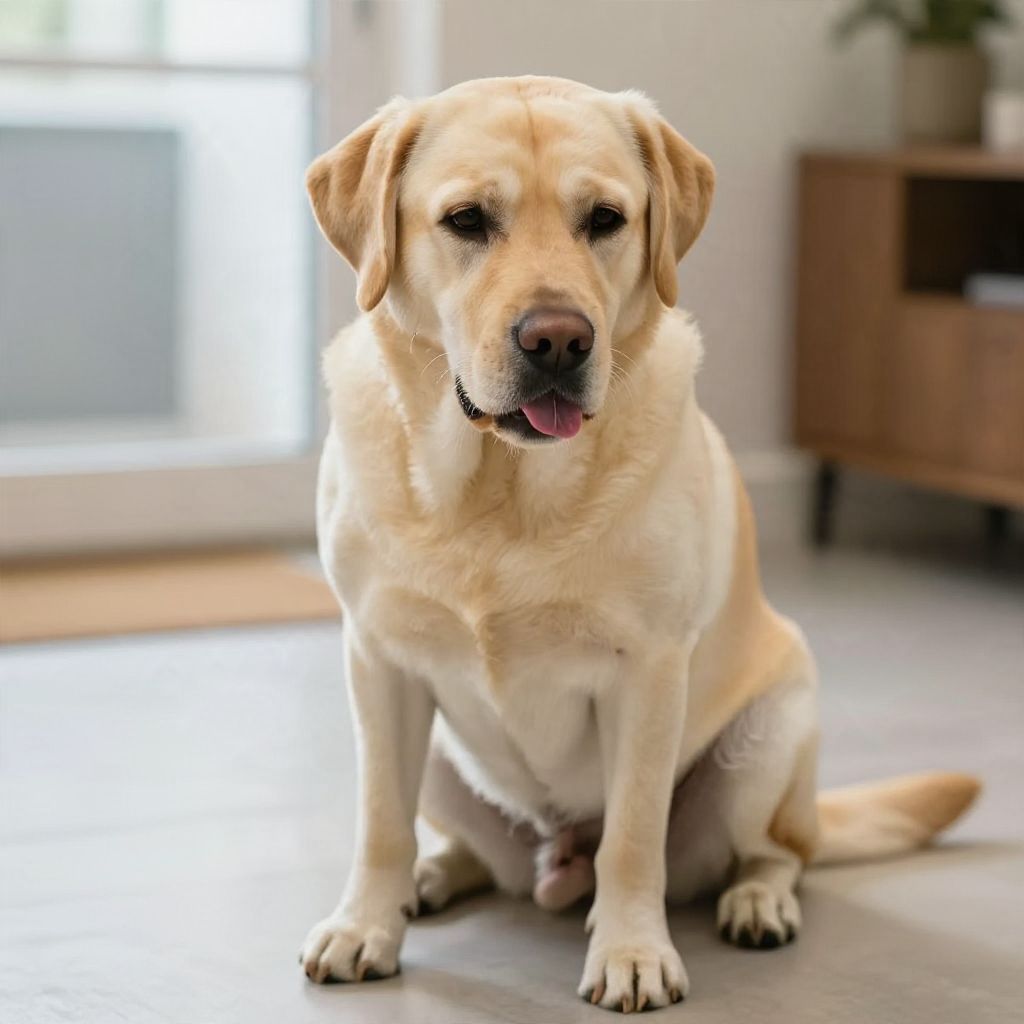
Why do dogs lick their privates? In many cases, it’s normal grooming, but frequent licking can also signal irritation, infection, pain, allergies, or a urinary or reproductive problem.
The key is to watch for changes in frequency, redness, odor, discharge, swelling, straining, or discomfort. If the licking is new, intense, or paired with other symptoms, your veterinarian should check your dog.
Why do dogs lick their privates?
Dogs lick their genital area to clean themselves, soothe mild irritation, or relieve discomfort. Occasional licking can be normal, but repeated or obsessive licking often means something is bothering the skin, urinary tract, or reproductive organs and should not be ignored.
Common reasons dogs lick their privates
Normal grooming
Healthy dogs may lick their privates after urinating, defecating, or waking up. Some dogs are simply more fastidious than others, and a little grooming is not usually a problem if the skin looks normal and the behavior is brief.
Urine or fecal residue
If a dog has residue on the fur or skin, licking may be a cleanup response. This is more likely in long-haired dogs, overweight dogs that have trouble reaching the area, puppies still learning hygiene, and older dogs with mobility issues.
Skin irritation or allergies
Contact irritation, environmental allergies, or food sensitivities can make the groin area itchy. You may also notice licking of the paws, belly, or other itchy spots, along with redness or flaky skin.
Urinary tract discomfort
Dogs with a urinary tract infection, bladder inflammation, or urinary crystals may lick the vulva or penis because urination feels uncomfortable. Other signs can include frequent urination, accidents, straining, blood in the urine, or producing only small amounts.
Reproductive or hormonal issues
Unneutered males may lick the penis more often, especially if there is smegma buildup or irritation. Unspayed females may lick the vulva more during heat cycles, but excessive licking outside normal heat-related changes can point to a problem.
Pain, injury, or foreign material
A cut, bite, thorn, burr, insect sting, or other irritation around the groin can trigger constant licking. Pain in the hips, back, or abdomen can also make some dogs focus on the area because they cannot localize discomfort well.
Anal gland or nearby discomfort
Sometimes what looks like genital licking is actually a response to discomfort nearby. Dogs with anal gland issues may lick the rear end, scoot, or seem restless, and the irritation can be mistaken for a “private area” problem.
When licking is normal and when it is not
Brief, occasional licking is usually fine if your dog is otherwise comfortable and the skin looks healthy. It becomes more concerning when it happens repeatedly, interrupts rest, or comes with signs of pain, inflammation, or changes in urination.
- More likely normal: short grooming after toileting, no redness, no odor, no discharge, and no behavior change.
- More concerning: frequent licking, visible swelling, licking that wakes your dog up, or licking that seems frantic.
- Urgent: straining to urinate, inability to urinate, blood in urine, severe pain, or a swollen penis that will not retract.
What to look for at home
You do not need to diagnose the cause yourself, but a quick check can help you describe the problem accurately to your vet. Look for changes in the skin, urine habits, and your dog’s overall comfort.
- Check whether the licking is occasional or constant.
- Look for redness, swelling, sores, discharge, or bad odor.
- Notice whether your dog is drinking more, urinating more, or having accidents.
- Watch for straining, whining, restlessness, or frequent squat attempts.
- See whether your dog is licking other itchy areas, such as paws or belly.
What you can do right now
Start with gentle management, not punishment. The goal is to reduce irritation, prevent self-trauma, and gather useful information for your veterinarian if the behavior continues.
- Keep the area clean and dry if there is visible dirt or urine residue.
- Gently wipe away debris with a damp cloth if your dog tolerates it.
- Prevent over-licking if needed by using an e-collar or veterinary-approved recovery collar.
- Check for fleas, burrs, mats, or other irritants in the coat.
- Track when the licking happens, especially after urination, exercise, or grooming.
Do not use human creams, essential oils, or medicated products unless your veterinarian tells you to. Many products can irritate the skin further or be unsafe if licked off.
When to call the veterinarian
Contact your vet if the licking lasts more than a day or two, keeps returning, or is paired with other symptoms. This is especially important if your dog is older, has a history of urinary problems, or is intact and showing new genital irritation.
Make an appointment soon if you notice:
- Redness, swelling, or soreness
- Discharge, pus, or a strong odor
- Frequent urination or accidents
- Straining to urinate or defecate
- Excessive licking after grooming or bathing
- Hair loss or darkened skin from chronic licking
Seek urgent veterinary care if your dog has:
- Inability to urinate or repeated attempts with little or no urine
- Blood in the urine with pain or distress
- A swollen, painful penis that stays exposed
- Severe lethargy, vomiting, collapse, or obvious abdominal pain
- Sudden swelling, trauma, or a wound in the genital area
How the cause can differ by age, sex, and individual dog
Not every dog licks for the same reason. Age, sex, neuter status, coat type, and health history all matter, so the “normal” amount of licking for one dog may be unusual for another.
Puppies
Puppies often explore their bodies and the world with their mouths. Occasional genital licking can be part of normal grooming, but persistent licking may point to a hygiene issue, irritation, parasites, or a urinary problem that needs attention.
Adult dogs
In adult dogs, a sudden increase in licking is more suspicious than a lifelong grooming habit. If your dog has always been tidy but now licks constantly, think about pain, infection, allergies, or environmental irritation.
Senior dogs
Older dogs may lick more because of arthritis, reduced flexibility, urinary changes, or skin problems. They may also have trouble keeping the area clean, so a vet visit is especially worthwhile if the behavior is new.
Intact males and females
Unneutered males may have more visible genital grooming, and unspayed females may lick more during heat. Even so, excessive licking, discharge, or discomfort is not something to dismiss as “just hormones.”
Common mistakes to avoid
It is easy to assume the behavior is harmless, but waiting too long can let a minor issue become a bigger one. Avoid these common missteps:
- Ignoring repeated licking because the dog still seems active
- Using harsh cleaners or scented wipes on the area
- Applying human ointments without veterinary advice
- Scolding the dog for licking, which does not address the cause
- Assuming all licking is behavioral when medical causes are common
How veterinarians may investigate the problem
Your vet may start with a physical exam and then recommend tests based on your dog’s signs. The exact workup depends on whether the concern looks like a skin issue, urinary issue, or reproductive problem.
- Urinalysis to check for infection, crystals, blood, or inflammation
- Skin or coat exam for irritation, parasites, or injury
- Assessment of the penis, vulva, prepuce, or surrounding skin
- Additional testing if a deeper urinary, reproductive, or pain issue is suspected
How to reduce licking once the cause is treated
If your veterinarian identifies and treats the underlying problem, the licking often improves. If the habit lingers after the medical issue is resolved, your vet or a qualified trainer can help you manage any learned or stress-related component.
- Keep the area clean and dry as advised
- Follow the treatment plan exactly as prescribed by your vet
- Use enrichment, exercise, and calm routines to reduce stress
- Redirect your dog to a chew, mat, or training game when licking starts
- Reward calm behavior rather than focusing on the licking itself
Bottom line
Why do dogs lick their privates? Sometimes it is simple grooming, but frequent or sudden licking often points to irritation, infection, pain, or another health issue. Watch for changes, avoid home remedies, and contact your veterinarian promptly if the licking is persistent or comes with warning signs.
If you want to understand related licking behaviors, you may also find these helpful: why dogs lick their paws and why dogs lick people excessively.