
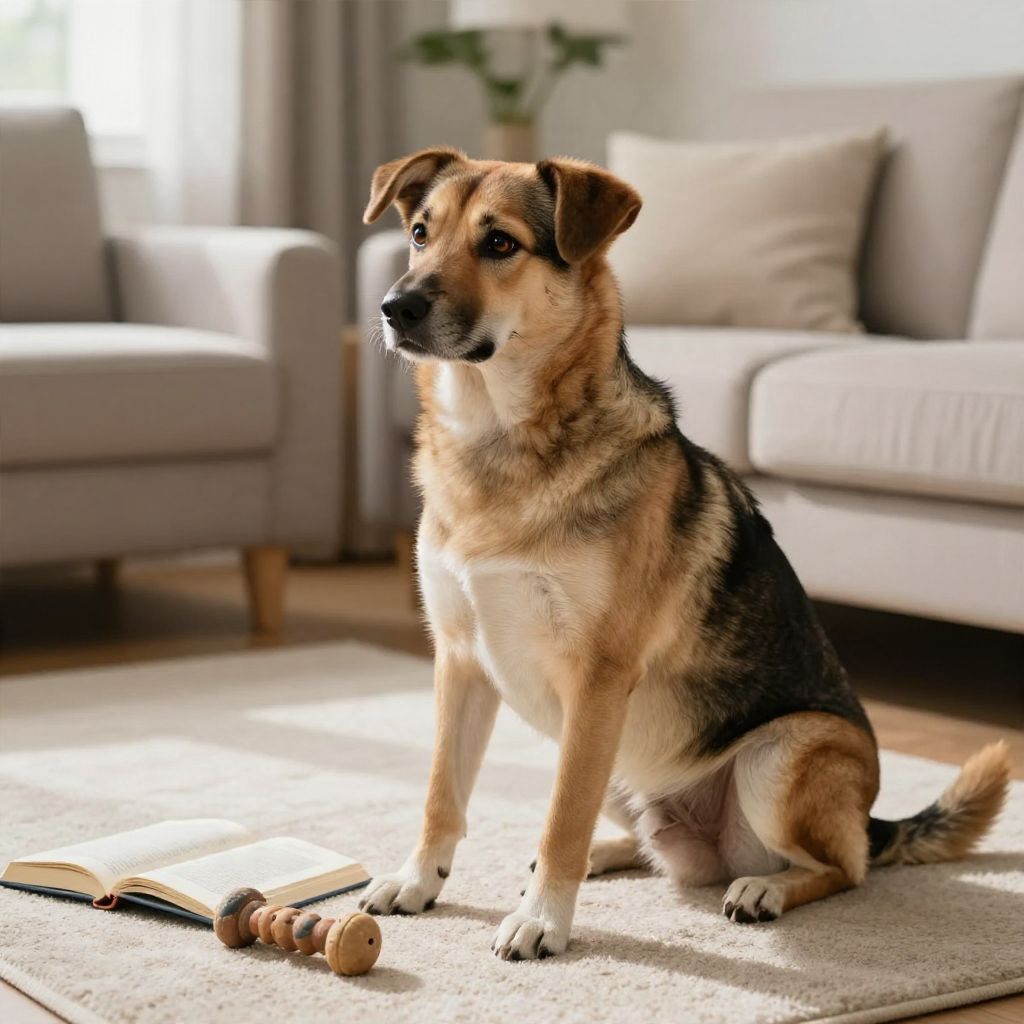
If you’re asking, “My dog is human,” you may be noticing very people-like behavior, strong attachment, or a dog that seems to understand your routines. That can be normal, but it can also reflect stress, overdependence, or unmet needs.
The key is to look at the full picture: body language, training history, exercise, enrichment, and health. Most “human-like” behavior in dogs is best understood as canine communication, not actual human thinking.
My Dog Is Human: What Does That Mean?
A dog cannot become human, but many dogs act in ways that feel surprisingly human because they read patterns, bond closely with people, and learn routines. Some behaviors are affectionate and normal; others, like clinginess, pacing, or refusing to settle, can signal anxiety, boredom, or a medical issue.
Why Dogs Seem So Human-Like
Dogs are highly social animals, and living with people has shaped how they communicate with us. They often learn what gets attention, what leads to food or walks, and how your daily habits work.
Common reasons your dog may seem human
- Strong bonding: Your dog may follow you, watch you, or want to stay close because you are their secure social partner.
- Learned routines: Many dogs anticipate meals, walks, and bedtime because they recognize patterns.
- Attention-seeking: Some dogs repeat behaviors that reliably make you talk, pet, laugh, or respond.
- Emotional sensitivity: Dogs often notice changes in your tone, movement, and daily rhythm.
That does not mean your dog understands human language the way a person does. It means your dog is good at reading cues and outcomes.
When “Human” Behavior Is Normal
Some human-like habits are simply part of a healthy, well-adjusted dog’s life. These behaviors are usually fine if your dog is relaxed, eating normally, sleeping well, and not showing signs of distress.
- Sleeping near you or choosing a favorite spot in the house
- Greeting you at the door
- Bringing toys, leaning on you, or nudging for attention
- Watching you closely during mealtimes or routines
- Settling into predictable household habits
Breed, age, and temperament matter. A naturally social puppy, a velcro-type companion dog, or a senior dog that prefers calm company may all seem especially “human” in different ways.
When It May Be a Problem
Sometimes what looks like human-like attachment is actually a behavior issue. If your dog seems unable to relax without you, becomes distressed when left alone, or changes suddenly, it is worth taking seriously.
Watch for these warning signs
- Excessive barking, whining, or howling when you leave
- Destructive chewing, scratching, or house soiling only when alone
- Pacing, drooling, trembling, or escape attempts
- Refusing food, panting, or inability to settle after you return
- Sudden personality changes, irritability, or withdrawal
These signs can point to separation-related distress, pain, cognitive decline in older dogs, or another health problem. If the change is sudden or severe, contact your veterinarian.
How to Respond in a Healthy Way
The goal is not to make your dog “less attached.” It is to help your dog feel secure, mentally engaged, and able to cope when you are not available.
- Keep a predictable routine. Regular meals, walks, potty breaks, and rest periods help many dogs feel calmer.
- Provide daily exercise. Match activity to your dog’s age, breed tendencies, and health. A young working-type dog may need more than a small senior dog with joint pain.
- Add enrichment. Use sniff walks, food puzzles, chew-safe toys, training games, and short scent games.
- Practice alone-time skills gradually. Start with very short absences and build up slowly if your dog struggles when separated.
- Reward calm behavior. Notice and reinforce quiet settling, not just demanding attention.
If your dog is overly dependent, avoid making departures dramatic. Calm, low-key comings and goings are often easier for anxious dogs than big emotional goodbyes.
Training Tips for Dogs That Act Extra “Human”
Dogs that seem especially tuned in to people often do well with reward-based training. Clear structure helps them understand what earns attention and what does not.
Helpful training strategies
- Teach a settle cue: Reward your dog for lying calmly on a mat or bed.
- Reinforce independence: Give treats or praise when your dog relaxes away from you.
- Use short sessions: Keep training upbeat and brief, especially for puppies and senior dogs.
- Practice handling and grooming: Gentle desensitization can make nail trims, brushing, and vet visits easier.
- Build confidence: New surfaces, sounds, and simple problem-solving games can help nervous dogs.
Do not use punishment, intimidation, or “dominance” methods. They can increase fear and damage trust, especially in dogs that already cling to you for security.
Could Health Be Part of the Picture?
Yes. A dog that suddenly acts unusually needy, withdrawn, restless, or “not themselves” may be uncomfortable or ill. Behavior changes can be one of the earliest signs that something is wrong.
Call your veterinarian if you notice
- Sudden clinginess or agitation that is new for your dog
- Changes in appetite, thirst, urination, or bowel habits
- Limping, stiffness, yelping, or reluctance to move
- Confusion, staring, pacing at night, or seeming disoriented
- Vomiting, diarrhea, coughing, or labored breathing
Seek urgent veterinary care right away if your dog has trouble breathing, collapses, has seizures, cannot stand, has a bloated abdomen, or may have eaten something toxic.
Age and Lifestyle Matter
What looks “human” in a dog can change over time. Puppies, adult dogs, and seniors have different needs, and those needs affect behavior.
Puppies
Puppies often shadow people because they are learning safety, routine, and social cues. They also need more sleep, frequent potty breaks, and gentle socialization.
- Use short training sessions
- Prevent overexcitement and overtired behavior
- Expose them gradually to new people, sounds, and places
Adult dogs
Adult dogs usually do best with a stable routine, enough exercise, and mental work. A bored adult dog may become clingy or invent attention-getting habits.
Senior dogs
Older dogs may seem more “human” because they sleep more, follow you slowly, or become more attached. But senior changes can also reflect pain, hearing loss, vision loss, or cognitive decline.
- Schedule veterinary checkups if behavior changes
- Keep pathways clear and bedding comfortable
- Use gentle, low-impact activity
Common Mistakes to Avoid
When a dog seems unusually human-like, it is easy to misread the behavior. A few common mistakes can make the problem worse.
- Assuming all attention-seeking is “cute.” Some of it is normal; some is distress.
- Overreacting to every sound or movement. This can teach your dog to stay on alert.
- Ignoring sudden changes. A new behavior can be a health clue.
- Skipping enrichment. Dogs need more than affection; they need activity and problem-solving.
- Forcing independence too fast. Gradual training works better than abrupt separation practice.
How to Tell If Your Dog Needs Professional Help
Some dogs benefit from extra support beyond basic training. If your dog’s behavior is intense, persistent, or causing stress in your home, ask for help early.
Consider a veterinarian, certified trainer, or qualified veterinary behaviorist if your dog:
- Cannot settle without constant contact
- Shows panic when left alone
- Has sudden behavior changes without an obvious cause
- Is aggressive, fearful, or difficult to handle safely
- Seems in pain or physically uncomfortable
Early help is especially important if the behavior is getting worse instead of better.
Bottom Line
If your dog is “human” in the sense that they seem deeply connected to you, that is usually a sign of strong social bonding and learned routine. If the behavior includes distress, clinginess, or sudden change, treat it as a possible training or health issue and get help promptly.
If you want to understand your dog’s social behavior more deeply, you may also find how dogs see humans and whether dogs know what kisses are helpful for reading your dog’s perspective.