
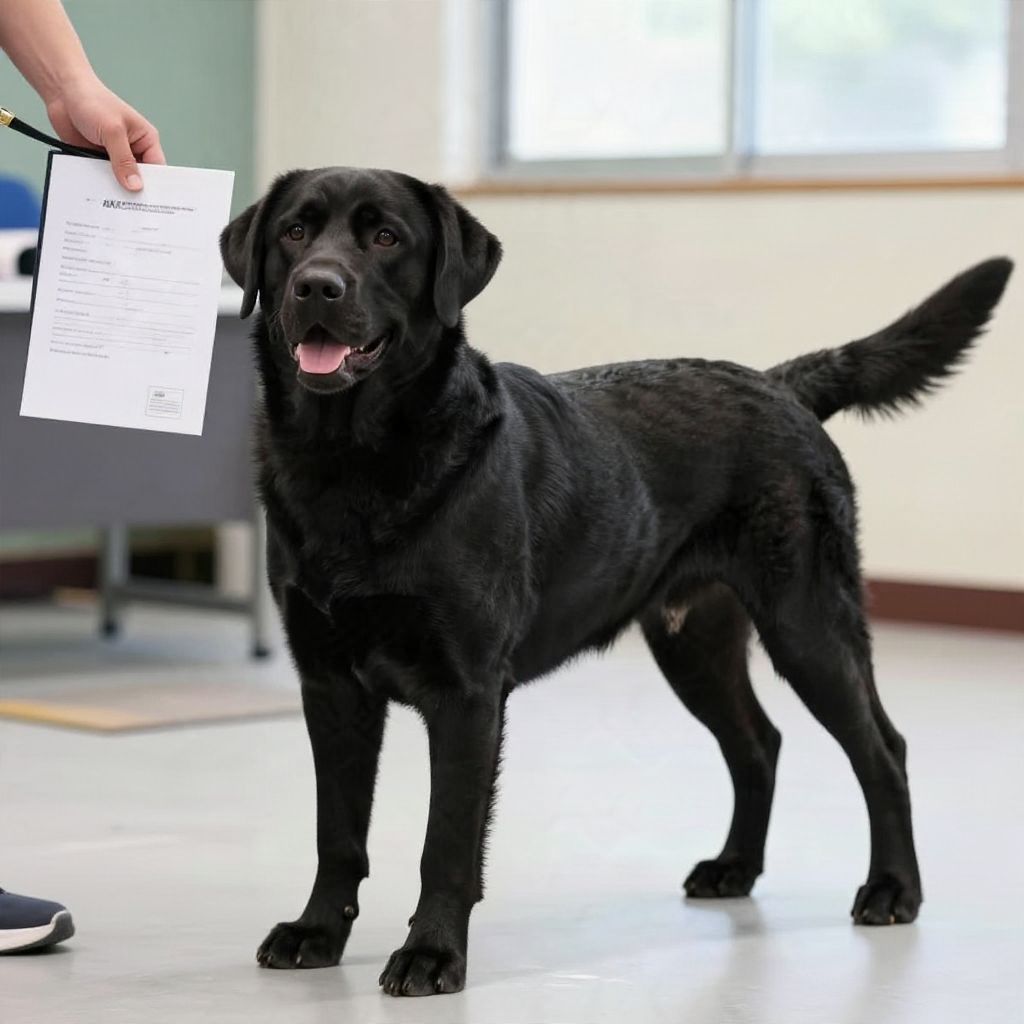
If you’re asking what does AKC registered mean, it means a dog’s registration is recorded with the American Kennel Club, usually showing the dog’s breed, parentage, and identity in that registry. It does not automatically mean the dog is healthier, better behaved, or “better” than an unregistered dog.
AKC registration can matter for breeding, showing, and pedigree records, but it is only one piece of information. You still need to look at the breeder’s practices, the dog’s health, temperament, and whether the puppy or adult dog is a good fit for your home.
What does AKC registered mean?
AKC registered means a dog has been entered into the American Kennel Club’s registry, which tracks pedigree and breed records for dogs that meet its registration rules. It can help document lineage, but it does not guarantee health, temperament, or quality. Registration is paperwork, not a promise.
What AKC registration actually tells you
When a dog is AKC registered, the registry has information tied to that dog’s identity and family line. For many owners, this is useful for proving pedigree, participating in conformation shows, or preserving breeding records.
What it usually does not tell you is whether the dog is well socialized, free of inherited disease, or suited to your lifestyle. A registered dog can still have medical, behavioral, or training needs just like any other dog.
Common things AKC registration may indicate
- The dog is recorded in the AKC registry.
- The dog is identified as a specific breed or breed mix, depending on the registration type.
- There is a documented pedigree or parentage record, when available.
- The dog may be eligible for certain AKC events or programs, depending on the registration status.
What it does not guarantee
- Good health or absence of inherited conditions.
- Calm, friendly, or trainable behavior.
- Ethical breeding practices.
- That the dog is the best choice for your family.
Why AKC registration matters to some owners
AKC registration is most relevant if you care about pedigree records, breeding plans, or dog sports and conformation showing. It can also help you verify that a puppy was represented as a particular breed and that the breeder completed the paperwork correctly.
For many pet owners, though, registration is less important than the dog’s health testing, early care, and temperament. A well-raised unregistered dog may be a wonderful companion, while a registered dog may still need significant training, socialization, or veterinary care.
AKC registration vs. a healthy, well-bred dog
It is easy to assume that AKC registration means a puppy came from a responsible breeder, but that is not always true. Registration and responsible breeding are related only in a limited way.
A responsible breeder usually focuses on more than paperwork. They should prioritize health screening, thoughtful pairings, early socialization, and lifetime support for the puppies they produce.
Questions that matter more than registration alone
- Have the parents been screened for breed-relevant health issues?
- How were the puppies raised during the first weeks of life?
- Has the breeder asked you questions about your home and experience?
- Can you meet the mother dog, and sometimes the father if available?
- Will the breeder take the dog back if your situation changes?
Different types of AKC registration
Not every dog with AKC paperwork has the same status. The exact meaning can vary based on the dog’s background and the breeder’s documentation.
Full or limited registration
Some dogs are sold with limited registration, which may restrict breeding and sometimes certain registration changes. This is often used by breeders who want puppies placed as companions rather than future breeding dogs.
Purebred registration
AKC registration is generally associated with purebred dogs whose lineage fits the registry’s rules. That said, the paperwork still should be reviewed carefully, because the registration type and the dog’s actual care history are separate issues.
Mixed-breed programs
The AKC also has programs for some mixed-breed dogs in specific contexts, but that is different from traditional purebred registration. If you are unsure what paperwork your dog has, ask the breeder or the AKC directly for clarification.
How to check whether AKC registration is real
If someone tells you a dog is AKC registered, you can ask for the registration number and paperwork. Legitimate breeders should be able to explain what the documents mean and how the dog is registered.
- Ask for the dog’s AKC registration number.
- Review the paperwork for the registered name, breed, and ownership details.
- Compare the information with what the breeder told you.
- Ask whether the dog has full or limited registration.
- Contact the AKC if you need help understanding the documents.
If a seller refuses to show documentation, gives confusing answers, or pressures you to buy quickly, treat that as a red flag. Good breeders are usually open and willing to explain their records.
Does AKC registered mean purebred?
Usually, AKC registration is associated with purebred dogs, but the paperwork alone should not be your only proof if you are making an important decision. The registry is a record system, not a substitute for careful evaluation of the breeder and the dog.
If purebred status matters to you for showing, breeding, or breed-specific expectations, ask for the pedigree and registration details. If you simply want a family companion, focus more on temperament, health, and fit than on the label alone.
What AKC registration does not tell you about temperament
Breed tendencies can influence energy level, prey drive, guarding instincts, or trainability, but every dog is an individual. Even within the same breed, dogs can differ a lot based on genetics, early experiences, training, and daily life.
A registered puppy still needs socialization, house training, handling practice, and positive reinforcement training. A dog’s behavior is shaped by more than its registry status.
What to look for instead of assuming
- How the puppy reacts to people and normal household sounds.
- Whether the breeder has introduced age-appropriate handling and enrichment.
- How the dog responds to gentle guidance and new situations.
- Whether the dog’s energy level matches your routine.
Health, breeding, and why paperwork is not enough
Some inherited conditions are more common in certain breeds, so health screening is important whether a dog is AKC registered or not. Responsible breeders often test for issues relevant to their breed, but registration itself does not prove that testing was done.
If you are considering a puppy, ask for copies of relevant health clearances and veterinary records. If the seller cannot provide them, be cautious.
Good signs in a breeder
- They discuss breed-specific health concerns openly.
- They provide veterinary care records and vaccination history.
- They explain how puppies are socialized before going home.
- They care where the puppy is placed and ask you questions.
- They do not pressure you to skip research.
Warning signs to watch for
- They focus on registration as the main selling point.
- They avoid questions about health testing.
- They offer many breeds or frequent litters without clear purpose.
- They will not let you see the puppy’s environment.
- They promise a “perfect” temperament or guaranteed show quality.
If you already have an AKC registered dog
If your dog is already registered, the most useful next step is to make sure the dog’s everyday care is solid. Registration does not change the basics of good ownership: preventive veterinary care, training, exercise, grooming, and enrichment.
- Keep up with wellness exams and vaccines as your veterinarian recommends.
- Use reward-based training to build reliable manners.
- Match exercise to your dog’s age, size, and health.
- Provide mental enrichment such as sniff walks, puzzle feeders, and training games.
- Watch for breed-related health concerns and discuss them early with your vet.
If your dog is a puppy, early socialization matters a lot. If your dog is an adult, you can still improve manners and confidence with patient, consistent training.
Common misunderstandings about AKC registration
One common mistake is assuming AKC registration means “better quality.” Another is assuming an unregistered dog cannot be healthy, loving, or well-bred. Neither assumption is reliable.
Another misunderstanding is thinking registration alone proves a dog is purebred in every meaningful sense. In reality, it is one part of the picture, and the dog’s care history matters just as much.
Simple way to think about it
- Registration = official record.
- Health testing = medical screening.
- Training and socialization = behavior development.
- Good fit for your home = long-term success.
When to ask a veterinarian or breeder for more help
If you are choosing a puppy, ask the breeder for health records and background information before you commit. If you already own the dog and have concerns about inherited disease, behavior, or development, your veterinarian can help you sort out what is normal and what needs attention.
Seek prompt veterinary care if your dog shows signs of illness, pain, sudden behavior change, trouble breathing, collapse, repeated vomiting, bloated abdomen, seizures, or any other urgent symptom. Those are not issues to watch and wait on.
Bottom line
What does AKC registered mean? It means the dog is recorded in the American Kennel Club’s registry, usually with pedigree and identity information. That can be useful, but it does not guarantee health, temperament, or responsible breeding. Focus on the whole dog, not just the paperwork.
If you want to keep learning about dog backgrounds and breed differences, you may also find what a mutt dog is helpful, especially when comparing pedigree records with mixed-breed dogs.