
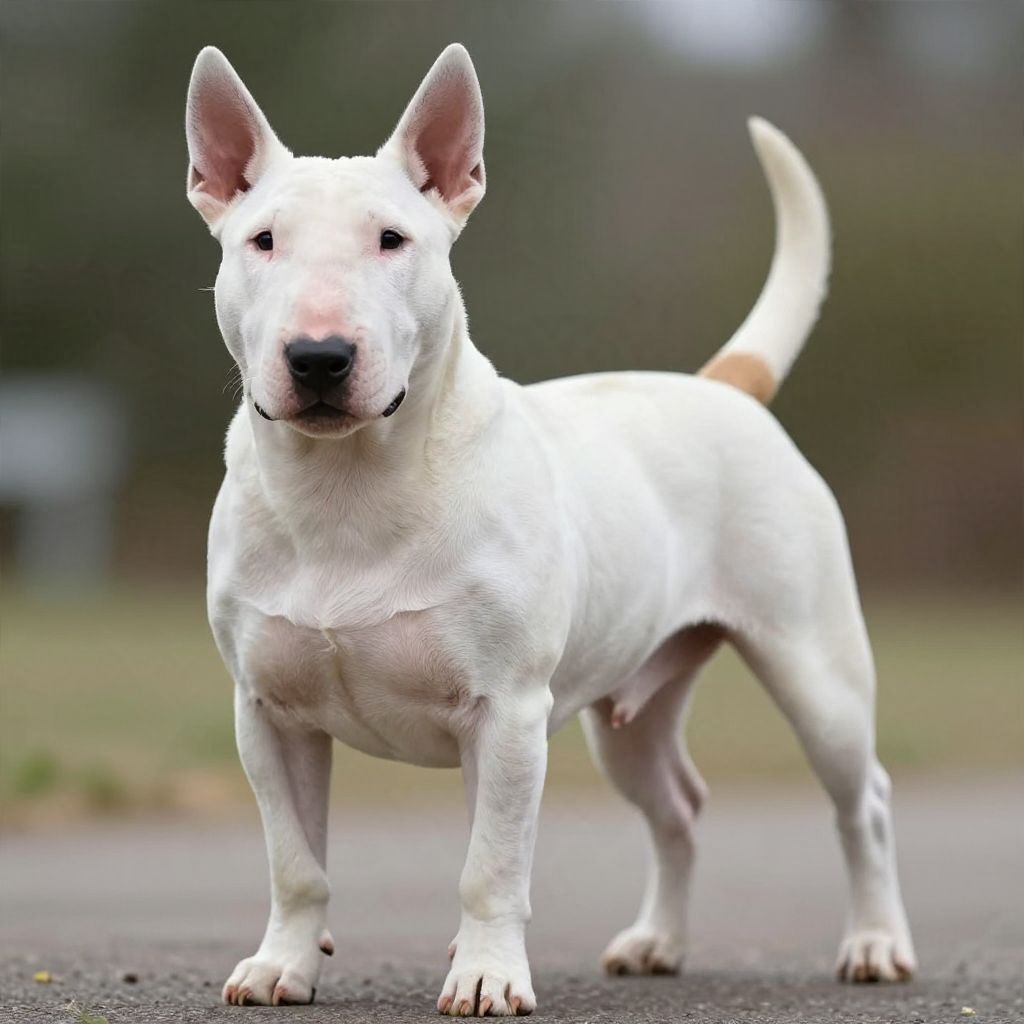
What is a bull in dog terms? People usually mean a bull-type dog, a dog with a broad head, muscular build, and a history tied to working, guarding, or bull-baiting ancestry in some breeds. The exact meaning depends on context, because “bull” can describe a breed group, a mix, or even a nickname.
If you’re asking about a specific dog, the safest approach is to look at temperament, size, age, training, and health rather than the label alone. Many bull-type dogs are affectionate and trainable, but they still need consistent handling, socialization, and responsible care.
What Is A Bull in dogs?
In dog language, a “bull” usually refers to a bull-type dog: a dog with a strong, stocky build and a head shape associated with breeds like bulldogs, bull terriers, and some mastiff-type dogs. The term does not guarantee behavior, and each dog’s personality depends on genetics, upbringing, training, and health.
What people usually mean by “bull dog” or “bull-type dog”
The word “bull” is often used loosely, so it helps to separate the label from the dog in front of you. Some people use it to describe a breed, while others use it for any muscular dog with a broad chest and powerful jaw.
Common ways the term is used
- Breed name: such as bulldog or bull terrier.
- Breed group: dogs with a similar body type or historical purpose.
- Nickname: a casual way to describe a strong-looking mixed-breed dog.
Because the term is broad, it is best to identify the dog’s actual breed or mix before making assumptions about exercise needs, grooming, or temperament.
Does “bull” mean aggressive?
No. A bull-type body does not mean a dog is aggressive. Behavior is influenced by socialization, training, fear, pain, stress, and individual temperament, not just appearance. Some bull-type dogs are calm and social, while others may be more reserved or energetic.
What matters most is how the dog is raised and managed. A well-socialized dog with positive training is far more likely to be stable and predictable than a dog with poor handling or unmet needs.
What can affect behavior
- Early socialization with people, dogs, and environments
- Reward-based training and clear routines
- Exercise and mental enrichment
- Pain, illness, or discomfort
- Past trauma or inconsistent handling
Typical traits seen in bull-type dogs
Individual dogs vary a lot, but some bull-type breeds and mixes often share a few physical and behavioral tendencies. These are tendencies, not guarantees.
Physical traits
- Broad chest and sturdy frame
- Shorter or medium-length coat in many breeds
- Strong jaw and neck musculature
- Compact or athletic body shape, depending on the breed
Behavioral tendencies
- Can be people-focused and affectionate
- May be playful and persistent
- Some are energetic and need regular activity
- Some may be dog-selective or less tolerant of rough social encounters
These traits vary by breed, line, and individual dog. A calm adult dog may be very different from a high-energy puppy or adolescent.
How to care for a bull-type dog
Good care depends on the dog’s size, age, and health, but most bull-type dogs do best with structure, positive reinforcement, and enough daily activity. They often benefit from early training because their strength can make even small behavior problems harder to manage later.
Training basics
- Start with simple cues like sit, stay, come, and leave it.
- Use treats, praise, toys, and play to reward wanted behavior.
- Practice loose-leash walking early, before pulling becomes a habit.
- Expose the dog gradually to new people, dogs, sounds, and places.
- Keep sessions short and consistent.
Avoid punishment, intimidation, or outdated “dominance” methods. Those approaches can increase fear and make behavior problems worse.
Exercise and enrichment
Most bull-type dogs need more than a quick potty walk. The right amount of exercise varies, but many do well with a mix of walking, play, sniffing, and training.
- Daily walks at a pace suited to age and body condition
- Fetch, tug, or other safe play if the dog enjoys it
- Food puzzles and sniffing games for mental work
- Short training sessions to build focus and impulse control
If your dog is very young, very old, overweight, or recovering from illness, ask your veterinarian what level of activity is appropriate.
Feeding and body condition
A bull-type dog should be fed a complete and balanced diet that matches life stage and activity level. Because many of these dogs have sturdy builds, it can be easy to miss gradual weight gain, which puts extra stress on joints and breathing.
Helpful feeding habits
- Measure meals instead of free-feeding unless your vet advises otherwise.
- Use treats in moderation during training.
- Adjust food if the dog is gaining or losing too much weight.
- Choose a diet designed for the dog’s age and health needs.
If your dog has a short muzzle, skin folds, allergies, or a sensitive stomach, feeding and grooming needs may be more specific. Your veterinarian can help you choose a diet that fits those needs.
Grooming and routine care
Many bull-type dogs have short coats, but that does not mean they are low-maintenance overall. Skin, nails, ears, teeth, and wrinkles may need regular attention depending on the breed or mix.
Routine care checklist
- Brush as needed to remove loose hair and check skin
- Trim nails regularly so feet stay comfortable
- Check ears for odor, redness, or debris
- Brush teeth or use vet-approved dental care
- Clean skin folds gently if your dog has them
Watch for itching, redness, hair loss, bad odor, or repeated licking. Those signs may point to allergies, infection, or another medical issue that needs veterinary attention.
Health concerns to watch for
Health risks vary widely by breed and individual dog, so there is no single “bull dog” health profile. Still, some bull-type dogs are more prone to certain issues related to body structure, skin, or joint stress.
Possible concerns
- Skin irritation or allergies
- Joint strain, especially in heavier dogs
- Breathing difficulty in short-muzzled dogs
- Eye irritation or injury in some breeds
- Dental problems if oral care is neglected
Seek urgent veterinary care if your dog has trouble breathing, collapses, has a swollen face, cannot stand, has repeated vomiting, shows severe pain, or seems suddenly weak or confused. These can be emergencies.
When a bull-type dog needs professional help
Contact a veterinarian if you notice ongoing coughing, limping, skin problems, appetite loss, vomiting, diarrhea, or behavior changes that seem linked to pain or illness. A certified trainer or veterinary behaviorist can help if the dog is fearful, reactive, or difficult to handle safely.
Good reasons to get help early
- Pulling hard on leash despite training
- Growling, snapping, or guarding food or toys
- Fear of strangers, dogs, or handling
- Repeated destructive behavior or separation distress
- Any sudden change in temperament
Early help is easier and safer than waiting until the behavior becomes dangerous or deeply rehearsed.
Common mistakes owners make
Many problems with bull-type dogs come from misunderstanding the dog’s needs rather than the dog itself. Clear routines and humane training usually work better than force.
- Assuming the dog should “just know” how to behave
- Skipping socialization during puppyhood
- Using punishment instead of reward-based training
- Not managing leash pulling early
- Ignoring pain, itching, or breathing issues
- Overfeeding and under-exercising
What to remember if you’re asking about a specific dog
If someone tells you a dog is a “bull,” that label alone does not tell you enough. Ask what breed or mix the dog is, how old it is, what training it has had, and whether it has any medical or behavior concerns.
The best way to understand the dog is to observe the individual: how it moves, how it responds to people, whether it is relaxed or tense, and whether it has consistent care.
If you want to learn more about strong, athletic dogs, you may also find what makes the strongest dog in the world and what makes the fastest dog in the world helpful for comparison.
In short, a bull in dog terms usually means a bull-type dog, not a specific personality. Focus on the individual dog’s breed, health, training, and needs, and use positive, consistent care to help it thrive.