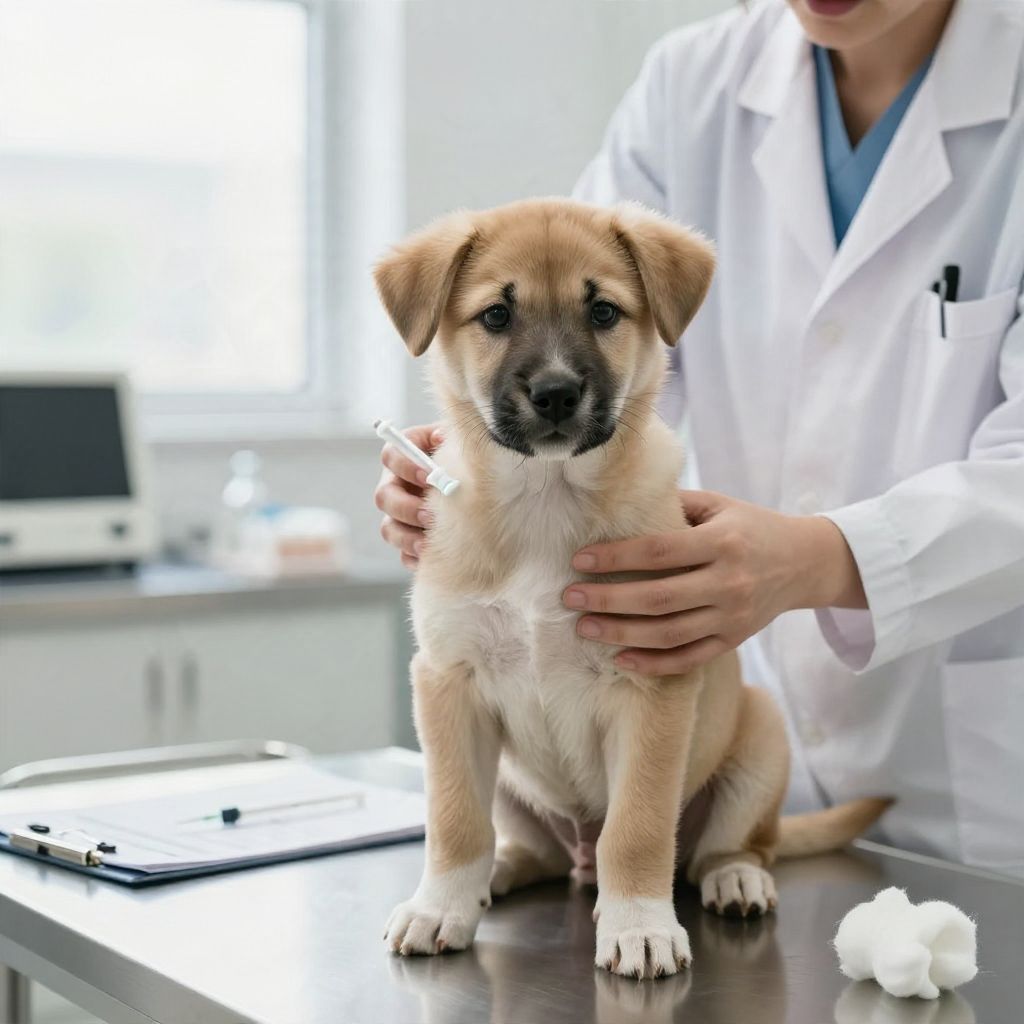
If you’re asking what shots do puppies need, the short answer is a core series of vaccines that protect against serious, contagious diseases, plus a few optional vaccines based on your puppy’s lifestyle and local risk. Your veterinarian will tailor the schedule to your puppy’s age, health, and exposure risk.
Because puppies lose some early protection from their mother over time, they need a series of shots to build reliable immunity. The exact plan can vary, but most puppies start vaccines at 6–8 weeks and continue every few weeks until they are about 16 weeks old or older.
What shots do puppies need?
Most puppies need core vaccines for distemper, parvovirus, adenovirus, and rabies. Many also benefit from leptospirosis, Bordetella, and sometimes canine influenza, depending on where they live and what they’re exposed to. Your vet will choose the right schedule based on age, health, and risk.
The core puppy vaccines
Core vaccines are the ones most puppies should receive because the diseases they prevent are severe, widespread, or both. These vaccines are not “one size fits all” in timing, but they are the foundation of puppy protection.
1. DHPP or DAPP combination vaccine
This combination usually protects against:
- Distemper
- Parvovirus
- Adenovirus (often called hepatitis protection)
- Parainfluenza in some combination vaccines
These diseases can cause severe illness, especially in young puppies. Parvovirus, in particular, can be life-threatening and spreads easily in the environment.
2. Rabies vaccine
Rabies is a fatal disease that also affects people, which is why this vaccine is required by law in many places. The timing depends on local rules, but many puppies receive their first rabies shot around 12–16 weeks of age.
Common non-core vaccines your puppy may need
Some vaccines are recommended when a puppy’s risk is higher. Your vet may suggest them if your puppy goes to boarding, daycare, training classes, dog parks, hikes, or areas where certain diseases are more common.
Leptospirosis
Leptospirosis is a bacterial disease that can spread through contaminated water, soil, or wildlife urine. It can affect dogs and people, so this vaccine is often recommended for puppies with outdoor exposure.
Bordetella
Bordetella is commonly associated with kennel cough, a contagious respiratory illness. Puppies who visit groomers, daycare, boarding facilities, or group training classes are often candidates for this vaccine.
Canine influenza
Canine influenza vaccines may be recommended in some regions or for dogs with frequent contact with other dogs. Your veterinarian can tell you whether it makes sense for your puppy.
Typical puppy shot schedule
The exact schedule can vary, but many puppies follow a pattern like this:
- 6–8 weeks: first DHPP/DAPP dose
- Every 3–4 weeks until 16 weeks or older: repeat DHPP/DAPP boosters
- 12–16 weeks: rabies vaccine, depending on local law and veterinary guidance
- Additional vaccines: given based on risk, often starting during the same puppy period
The reason for repeated boosters is that maternal antibodies can interfere with early vaccine response. Puppies need the full series to build dependable protection.
Why the schedule matters
Skipping boosters or stopping too early can leave a puppy vulnerable during a high-risk stage of life. Young puppies are especially susceptible to infection because their immune systems are still developing.
Until your vet says it’s safe, avoid high-risk exposure such as unknown dogs, heavily trafficked dog areas, and places where unvaccinated dogs may have been. This is especially important before the final puppy vaccine is completed.
What to expect after puppy vaccinations
Most puppies do well after shots and may only have mild, short-lived effects. These can include mild sleepiness, tenderness at the injection site, or a slightly reduced appetite for a day.
Call your veterinarian if mild signs last more than a day or seem to worsen. Contact your vet promptly if you notice repeated vomiting, diarrhea, facial swelling, hives, trouble breathing, collapse, or extreme weakness after vaccination.
When to call the vet urgently
Seek urgent veterinary care if your puppy shows any of the following after a vaccine or at any other time:
- Difficulty breathing
- Swollen face or muzzle
- Collapse or fainting
- Severe lethargy or unresponsiveness
- Repeated vomiting or severe diarrhea
- Signs of dehydration, such as dry gums or weakness
- High fever or obvious pain
These can signal a serious reaction or another emergency that should not wait.
How to prepare for your puppy’s vaccine visits
A little preparation can make appointments smoother and help your vet give the best advice for your puppy.
- Bring your puppy’s records if you have them, including any previous vaccines or deworming treatments.
- Share lifestyle details such as daycare plans, travel, hiking, boarding, or contact with other dogs.
- Tell your vet about symptoms like coughing, sneezing, diarrhea, vomiting, or low energy before the appointment.
- Ask about timing for the next booster so you don’t miss the series.
Common mistakes to avoid
Well-meaning owners sometimes make vaccine decisions that leave puppies underprotected. These are some of the most common mistakes:
- Stopping the vaccine series too early because the puppy “already had a shot”
- Assuming every puppy needs the same vaccines at the same time
- Letting a young puppy socialize freely before the vet says it’s safe
- Delaying rabies vaccination because the puppy seems healthy
- Using online advice instead of a veterinary plan based on local disease risk
How vaccines fit into overall puppy care
Vaccines are only one part of keeping a puppy healthy. Good parasite prevention, proper nutrition, safe socialization, and routine veterinary visits all support your puppy’s immune system and development.
During the vaccine period, focus on controlled socialization rather than risky exposure. Your puppy can still meet new people, hear household noises, and learn handling skills in safe settings. Ask your vet how to balance socialization with disease prevention in your area.
Questions to ask your veterinarian
If you’re unsure what shots do puppies need in your situation, these questions can help you get a clear plan:
- Which vaccines are core for my puppy?
- Which non-core vaccines do you recommend based on our lifestyle?
- When should each booster be given?
- When is it safe for my puppy to visit parks, daycare, or boarding?
- What side effects should I watch for after each vaccine?
Conclusion
Most puppies need a series of core vaccines, especially DHPP/DAPP and rabies, with other shots added based on exposure risk. The safest approach is to follow a veterinarian-designed schedule, complete every booster, and ask before exposing your puppy to higher-risk environments.
If you want more practical puppy guidance, you may also find related dog-care reading helpful at Online Dog Breeds.