
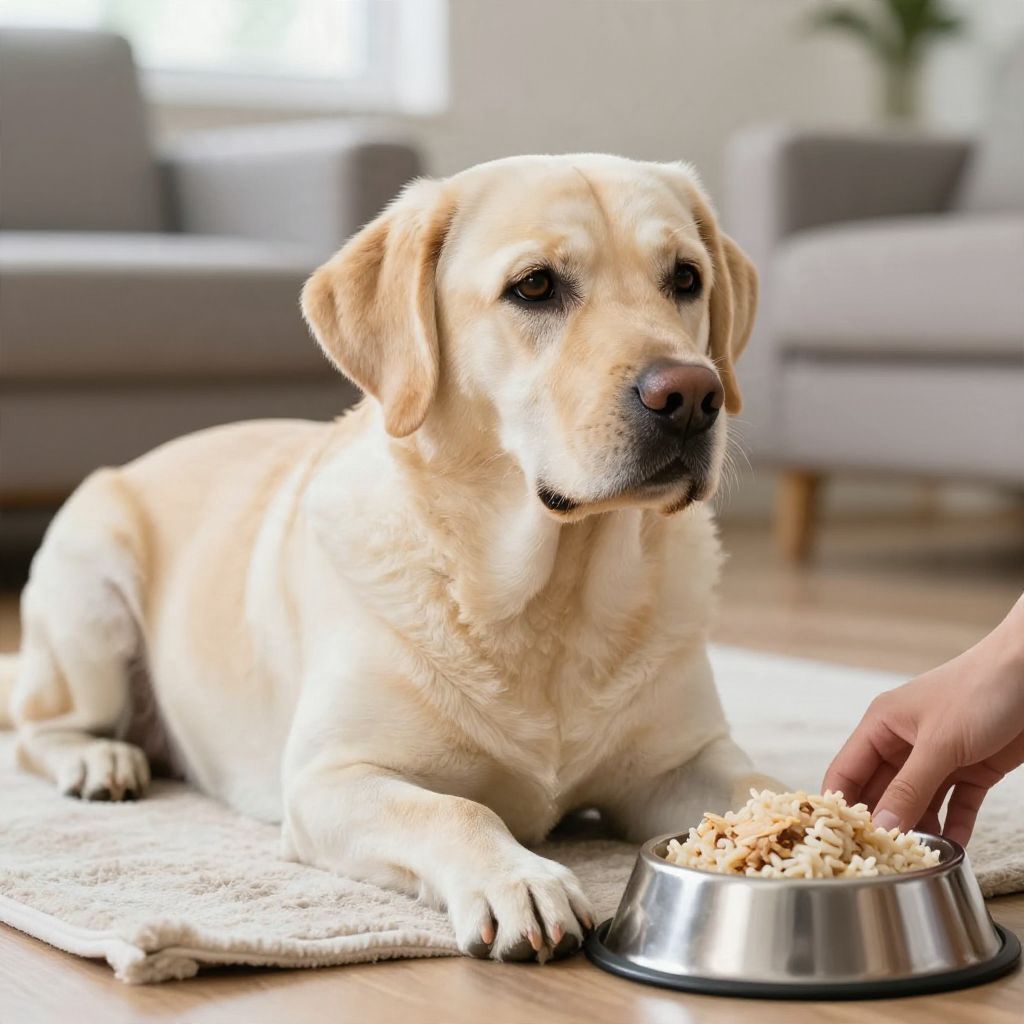
If your dog’s stomach is gurgling, you may be hearing normal digestion—or a sign of hunger, gas, mild stomach upset, or something more serious. The meaning depends on what else is happening, such as vomiting, diarrhea, pain, or a change in appetite.
Most of the time, occasional stomach noises are not an emergency. But if the gurgling comes with bloating, repeated vomiting, weakness, or a painful belly, your dog should be seen by a veterinarian promptly.
Why is my dogs stomach gurgling?
Dog stomach gurgling is usually caused by movement of gas and fluid through the intestines. It can happen after eating, when your dog is hungry, after a diet change, or with mild digestive upset. If the noises are frequent or paired with other symptoms, a vet check is the safest next step.
Common causes of stomach gurgling in dogs
Some causes are harmless and temporary, while others need medical attention. The context matters more than the sound itself.
1. Normal digestion
After meals, the stomach and intestines naturally move food, liquid, and gas along. You may hear more gurgling if your dog ate quickly, drank a lot of water, or is lying quietly in a calm room where the sounds are easier to notice.
2. Hunger or an empty stomach
When the stomach is empty, intestinal movement can sound louder. Some dogs seem more sensitive to skipped meals, long gaps between feedings, or changes in routine.
3. Gas buildup
Gas can make the abdomen sound noisy and may also cause mild discomfort. Fast eating, gulping air, sudden food changes, and some treats can contribute.
4. Diet changes or food sensitivity
A new food, rich table scraps, too many treats, or eating something unusual can irritate the digestive tract. Some dogs also have sensitivities to certain ingredients, though the exact trigger varies from dog to dog.
5. Mild stomach upset
Gurgling can happen with a brief digestive upset that also causes soft stool, decreased appetite, or a little nausea. This may pass on its own, but worsening signs should not be ignored.
6. Parasites or infection
Intestinal parasites, bacterial issues, or viral illness can affect the gut and create noisy digestion. Puppies and dogs with access to contaminated water, feces, or shared dog areas may be at higher risk.
7. Stress or anxiety
Some dogs get digestive upset when routines change, during travel, after boarding, or in stressful environments. Stress can affect appetite, stool quality, and gut motility.
8. More serious abdominal disease
Persistent gurgling can appear with conditions such as inflammation, obstruction, pancreatitis, or other gastrointestinal problems. These are more concerning when the dog is painful, lethargic, vomiting, or not eating.
When stomach noises are normal vs. when to worry
Occasional gurgling with an otherwise bright, eating, and comfortable dog is often normal. The concern rises when the sound is new, very loud, constant, or paired with other symptoms.
- Usually less concerning: brief noises, normal energy, normal appetite, normal stool, no pain.
- More concerning: repeated vomiting, diarrhea, reduced appetite, drooling, pacing, or mild belly discomfort.
- Urgent: a swollen abdomen, repeated unproductive retching, collapse, severe pain, blood in vomit or stool, or sudden weakness.
Red-flag symptoms that need urgent veterinary care
Do not wait if your dog has stomach gurgling along with any of the following signs:
- Bloated or distended belly
- Repeated retching or trying to vomit without bringing anything up
- Severe restlessness, pacing, or obvious abdominal pain
- Weakness, collapse, or trouble standing
- Repeated vomiting
- Blood in vomit or stool, or black/tarry stool
- Refusal to drink, signs of dehydration, or marked lethargy
- Possible toxin exposure or swallowing a foreign object
These can signal emergencies such as bloat, obstruction, poisoning, or serious inflammation. If you are unsure, call your veterinarian or an emergency clinic right away.
What you can do at home if your dog seems otherwise well
If your dog is bright, drinking, and not showing red-flag symptoms, simple monitoring is reasonable while you watch for changes. Keep things calm and avoid making sudden diet changes unless your veterinarian advises it.
- Observe your dog’s appetite, energy, stool, and vomiting for the next 12 to 24 hours.
- Offer fresh water and make sure your dog can drink normally.
- Keep meals consistent and avoid rich treats, table scraps, or new foods.
- Use a slow-feeder bowl if your dog eats too quickly and seems gassy afterward.
- Note whether the gurgling happens before meals, after meals, or at night.
If the noises are mild and your dog remains normal, they may settle on their own. If the problem keeps returning, schedule a veterinary visit to look for diet, parasite, or digestive causes.
What not to do
It is easy to overreact to stomach noises, but some common mistakes can make things worse.
- Do not give human medications unless your veterinarian specifically tells you to.
- Do not force food if your dog is nauseated or vomiting.
- Do not keep adding treats or new foods to “fix” the problem.
- Do not assume loud stomach sounds are harmless if your dog seems unwell.
- Do not wait at home if your dog has a bloated abdomen or repeated unproductive retching.
How age, size, and individual factors can matter
Not every dog’s digestive system behaves the same way. Age, body size, diet history, and health status can all affect how often you hear stomach noises.
Puppies
Puppies may have noisier digestion because they eat frequently, explore with their mouths, and are more vulnerable to parasites and dietary mistakes. Any vomiting, diarrhea, or poor appetite in a puppy deserves closer attention.
Adult dogs
In healthy adult dogs, occasional gurgling is often related to meal timing, eating speed, or a mild food upset. Recurrent symptoms may point to a food issue or an underlying digestive problem.
Senior dogs
Older dogs may have more medical reasons for stomach changes, including slower digestion, chronic disease, or medication side effects. If a senior dog develops new or persistent gurgling, a veterinary exam is wise.
Breed and body type differences
Some dogs are more prone to gulping food or having sensitive stomachs, but breed alone does not determine the cause. Larger, deep-chested dogs are especially important to monitor if there is also bloating or retching, since that combination can be dangerous.
How veterinarians may evaluate the problem
If the gurgling persists or comes with other symptoms, your veterinarian may ask about diet, treats, stool changes, vomiting, access to trash or toys, and recent stress. Depending on the case, they may recommend a physical exam, fecal testing, or other diagnostics.
Bring details if you can, including when the noises started, whether your dog is eating, and whether you noticed diarrhea, vomiting, or abdominal pain. A short video of your dog’s behavior can also help.
Preventing stomach gurgling and digestive upset
You cannot prevent every digestive issue, but you can reduce common triggers.
- Feed a consistent, complete diet appropriate for your dog’s life stage.
- Make food changes gradually when possible.
- Keep trash, spoiled food, bones, and foreign objects out of reach.
- Use puzzle feeders or slow-feeding tools if your dog eats too quickly.
- Maintain regular parasite prevention as recommended by your veterinarian.
- Limit rich treats and sudden table-scrap sharing.
When to call your veterinarian even if it is not an emergency
Make a routine appointment if the gurgling keeps happening, your dog has recurring soft stool, or the noises seem linked to meals or stress. You should also call if your dog is older, has a chronic condition, or has recently changed food and is not improving.
If you want more guidance on related digestive issues, you may also find what to give a dog for an upset stomach and why is my dog having diarrhea helpful.
In short, a gurgling stomach in dogs is often harmless, but it becomes important when it is persistent or paired with vomiting, diarrhea, pain, bloating, or lethargy. Watch your dog closely, keep meals simple and consistent, and contact a veterinarian promptly if anything seems off.