
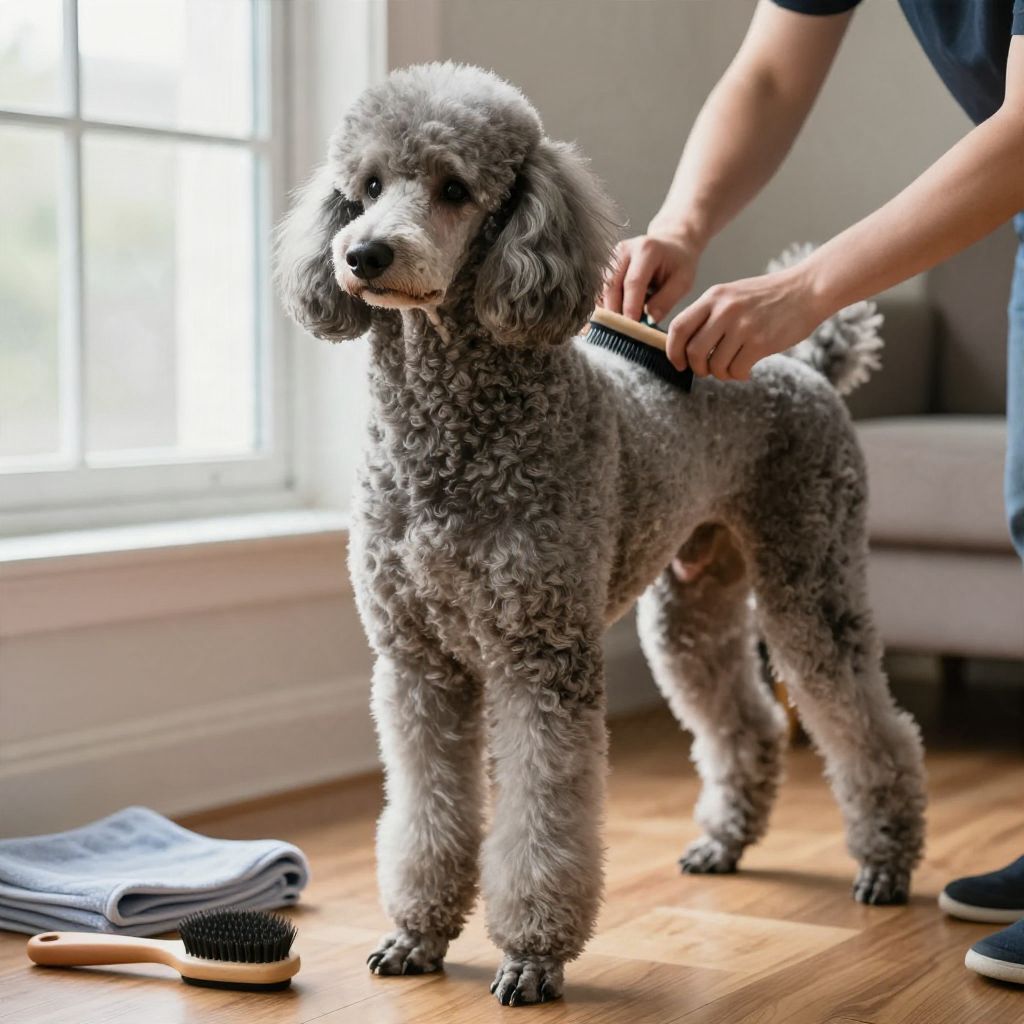
If you’re asking “Why Poodles Are The Worst,” you’re probably frustrated by grooming, barking, sensitivity, or a dog that feels too intense for your lifestyle. Those complaints are real for some owners, but they usually reflect unmet needs, poor matching, or inconsistent training rather than a truly “bad” breed.
Poodles can be wonderful dogs for the right home, but they are not low-maintenance, and their intelligence can make them demanding. If you want an honest look at the common challenges, this guide explains the typical drawbacks, what varies by individual dog, and how to manage them responsibly.
Why are Poodles the worst?
Poodles are not inherently “the worst,” but many owners struggle with their high grooming needs, sharp intelligence, energy, and sensitivity. A Poodle that is bored, under-exercised, or poorly socialized may become noisy, anxious, or demanding. The breed often fits active, committed owners better than people wanting an easy, low-effort pet.
What makes people frustrated with Poodles?
The biggest complaints usually come from the same few traits. Poodles often need more time, structure, and upkeep than people expect.
- Grooming demands: Their coat needs regular brushing and professional grooming to prevent painful mats.
- High mental needs: They are smart and can get bored quickly without training and enrichment.
- Energy and activity: Many need daily exercise, not just a short potty walk.
- Sensitivity: Some Poodles react strongly to stress, loud environments, or harsh handling.
- Vocal tendencies: Barking can become a habit if not managed early.
These are common tendencies, not guarantees. Individual temperament, early socialization, age, health, and training history matter a lot.
Grooming is often the first dealbreaker
Poodle coats are one of the main reasons people feel overwhelmed. Their hair grows continuously and can tangle fast, especially behind the ears, under the collar, and in the legs and tail.
Why grooming feels so hard
- Brushing has to be consistent, not occasional.
- Neglected coats can mat close to the skin and become uncomfortable or even painful.
- Many owners need regular professional grooming to keep the coat manageable.
- Bathing alone does not solve matting and can sometimes make it worse if the coat is not dried and brushed properly.
If you dislike coat care, a Poodle may feel like too much work. This is especially true for busy households, first-time owners, or families hoping for a wash-and-go dog.
They can be too smart for their own good
Poodles are often praised for intelligence, but that same trait can make them exhausting. A smart dog notices patterns quickly, learns routines fast, and may invent its own entertainment if you do not provide enough structure.
That can look like counter surfing, opening doors, barking for attention, or becoming pushy when bored. The fix is not punishment. It is predictable routines, reward-based training, and enough mental work to keep the dog engaged.
Helpful enrichment ideas
- Short training sessions using treats or praise.
- Food puzzles and snuffle mats.
- Fetch, scent games, and trick training.
- Structured walks with sniffing time.
- Calm settle practice in the house.
Are Poodles high-energy?
Many Poodles are active and need more than a quick outdoor break. The exact exercise requirement varies by age and individual temperament, but a bored Poodle may become restless, loud, or destructive.
Young dogs often need more activity and supervision than older dogs. A senior Poodle may still enjoy movement and enrichment, but usually at a gentler pace. Health issues such as arthritis, heart disease, or orthopedic problems can also change exercise needs, so your veterinarian can help you adjust activity safely.
Why some Poodles seem anxious or “too sensitive”
Many Poodles are responsive dogs, which can be a strength in training and a challenge in stressful homes. Some are quick to notice changes in tone, routine, or environment and may become nervous if life is chaotic.
Common triggers include inconsistent handling, lack of early socialization, loud noises, separation from family members, and rough or unpredictable training methods. Sensitive dogs usually do best with calm routines, clear expectations, and positive reinforcement.
Signs stress may be building
- Pacing or inability to settle
- Excessive barking or whining
- Hiding or avoiding interaction
- Overreacting to visitors, sounds, or handling
- Destructive behavior when left alone
If anxiety is severe, persistent, or affecting daily life, speak with your veterinarian and consider a certified trainer or veterinary behaviorist.
Common behavior problems people blame on the breed
When owners say a Poodle is “the worst,” the real issue is often unmet needs or unclear training. Many behavior problems are manageable when addressed early.
1. Barking
Poodles may bark to alert, seek attention, or respond to excitement. If barking gets reinforced by people rushing over every time, it can become a habit.
2. Jumping and attention-seeking
These dogs often learn quickly which behaviors get a reaction. Consistent reward for calm behavior works better than scolding.
3. Mouthiness or rough play
Young dogs may use their mouths during play or when overstimulated. Redirect to toys and pause interaction when arousal rises.
4. Separation-related distress
Some Poodles struggle when left alone. Gradual alone-time training and a predictable routine can help, but severe cases need professional support.
What type of owner struggles most with a Poodle?
Poodles are often a poor match for people who want a low-maintenance companion. They may also frustrate owners who dislike grooming, do not enjoy training, or cannot provide regular mental stimulation.
- You may struggle if you want a dog that is easygoing and independent.
- You may struggle if you travel often and cannot maintain grooming and exercise routines.
- You may struggle if your household is noisy, inconsistent, or chaotic.
- You may struggle if you prefer a dog that is content with minimal interaction.
On the other hand, people who enjoy training, grooming, and structured routines often appreciate Poodles a great deal.
How to make life easier with a Poodle
If you already have a Poodle and feel overwhelmed, the goal is not to “fix the breed.” It is to meet the dog’s needs in a practical way.
- Set a grooming schedule and stick to it before mats start.
- Use reward-based training for calm behavior, recall, and loose-leash walking.
- Provide daily mental work through puzzles, scent games, and short sessions.
- Exercise consistently with walks, play, and age-appropriate activity.
- Manage the environment by limiting rehearsals of barking, jumping, or destructive habits.
- Ask for help early if anxiety, reactivity, or separation distress is growing.
When to get professional help
Some issues are bigger than routine training. Get help from a veterinarian if your dog’s behavior changes suddenly, if grooming is causing skin irritation or pain, or if your dog seems anxious all the time.
Seek urgent veterinary care if your Poodle has trouble breathing, collapses, has repeated vomiting, cannot urinate, has a swollen painful abdomen, or appears seriously injured. Those are not training problems.
If the issue is behavior, a qualified trainer who uses humane methods can help. For severe aggression, panic, or separation distress, a veterinary behaviorist may be the best next step.
So, are Poodles really the worst?
For some owners, yes, a Poodle can feel like the worst possible fit because the breed asks for more grooming, training, and attention than expected. But that does not mean the breed is bad. It means the dog’s needs and the owner’s lifestyle do not match well.
If you want a cleaner, calmer, lower-maintenance pet, a Poodle may frustrate you. If you are willing to invest in grooming, structure, and enrichment, the same traits that annoy one person can make the breed a brilliant companion for another.
If you want to learn more about related Poodle care topics, you may also find how long Poodles live useful.