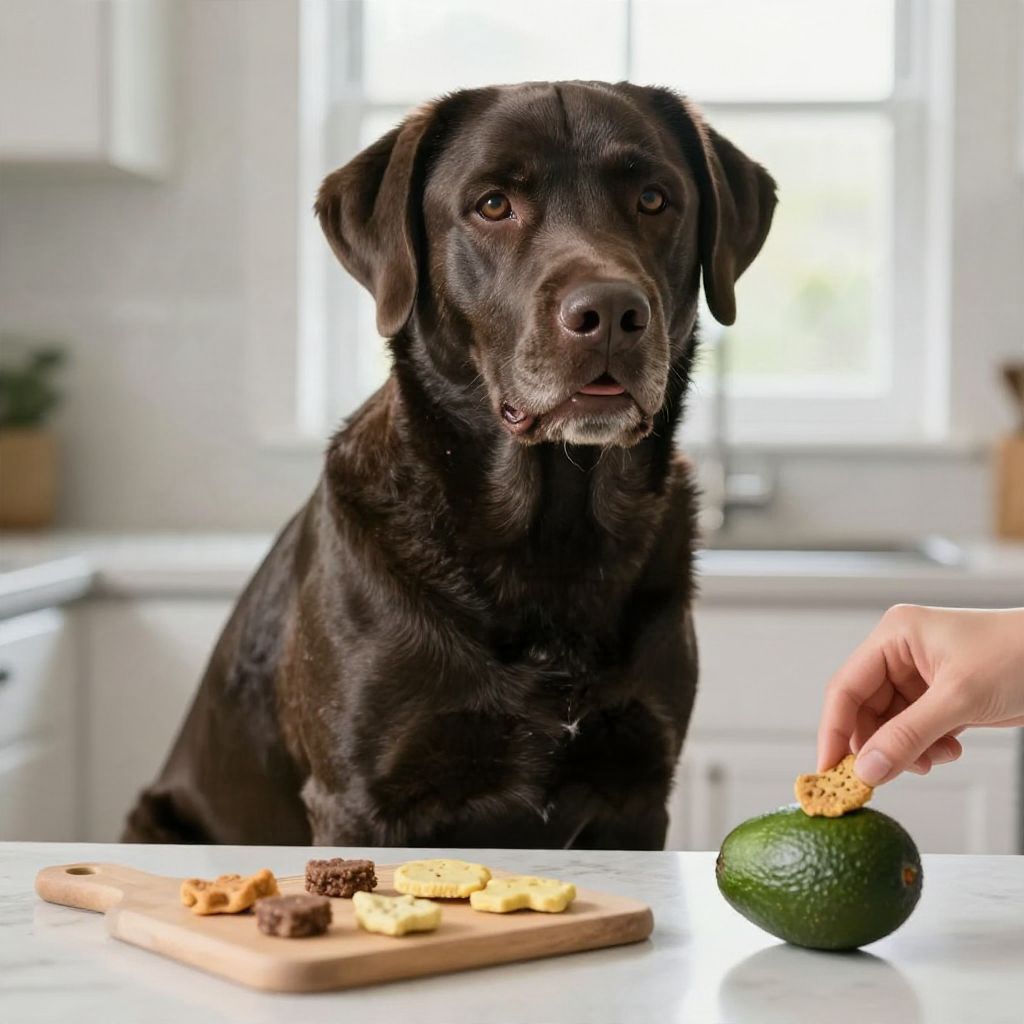
Can dogs eat avocado? In small amounts, the flesh is not usually considered highly toxic to dogs, but avocado is not an ideal treat. The pit, skin, and leaves are more concerning, and the fruit is high in fat, which can upset some dogs’ stomachs.
If your dog ate avocado, what happens depends on the amount, the part eaten, and your dog’s size and health. When in doubt, call your veterinarian, especially if your dog has vomiting, diarrhea, pain, or may have swallowed the pit.
Can dogs eat avacado?
Dogs can usually eat a small amount of plain avocado flesh, but it should be treated as an occasional food, not a regular snack. The pit, skin, and leaves are the bigger risks, and the fat content can trigger digestive upset or worsen conditions like pancreatitis in sensitive dogs.
What parts of avocado are risky for dogs?
Not all avocado parts are equally safe. The main concern is not just the fruit itself, but the way it is prepared and what part your dog got into.
Avocado flesh
The soft green flesh is the least concerning part, but it is still rich and can be too much for some dogs. A tiny taste is different from a large serving, and dogs with a history of stomach sensitivity may react more easily.
Avocado pit
The pit is a major hazard because it can cause choking or intestinal blockage. Even if your dog does not choke, a swallowed pit may get stuck and require urgent veterinary treatment.
Skin and leaves
Avocado skin and leaves are not good for dogs to eat. They can be harder to digest and may cause stomach upset. If your dog chewed plant material from an avocado tree or houseplant, call your vet for advice.
Why avocado can upset a dog’s stomach
Avocado is high in fat, and many dogs do not tolerate rich foods well. Some dogs may handle a small amount without issue, while others develop vomiting, loose stool, or abdominal discomfort after eating even a modest portion.
- Small dogs may be affected by smaller amounts than larger dogs.
- Puppies can be more prone to stomach upset because their digestive systems are still developing.
- Dogs with pancreatitis history or fat-sensitive diets should avoid avocado unless your veterinarian says otherwise.
- Overweight dogs do not benefit from calorie-dense treats like avocado.
Signs your dog may be having a problem
Watch your dog closely after eating avocado, especially if they ate the pit, skin, or a large amount of flesh. Mild stomach upset may pass, but some signs need prompt veterinary attention.
- Vomiting
- Diarrhea
- Loss of appetite
- Drooling
- Abdominal pain or a tense belly
- Lethargy
- Repeated retching or trying to vomit without success
- Constipation or trouble passing stool
Seek urgent veterinary care right away if your dog may have swallowed the pit, is struggling to breathe, collapses, has a swollen abdomen, cannot keep water down, or seems severely painful. These can be signs of choking, blockage, or another emergency.
What to do if your dog ate avocado
Stay calm and assess what was eaten. The next steps depend on the part of the avocado, the amount, and whether your dog is showing symptoms.
- Remove any remaining avocado or packaging.
- Check whether the pit, skin, or leaves are missing.
- Note the approximate amount eaten and the time it happened.
- Call your veterinarian or a pet poison helpline for guidance if you are unsure.
- Monitor your dog for vomiting, diarrhea, pain, or changes in behavior.
Do not try to make your dog vomit unless a veterinarian specifically instructs you to do so. That can be unsafe, especially if a pit or large piece was swallowed.
How much avocado is too much?
There is no single safe amount that fits every dog. Tolerance varies with body size, age, health, and whether the avocado was plain or mixed into another food. A small lick of plain flesh may be fine for one dog and upsetting for another.
Because there is no reliable universal threshold, it is better to think in terms of risk level rather than a set serving size. A tiny taste of plain flesh is lower risk than a bowl of guacamole, especially if the recipe contains onion, garlic, salt, or other seasonings that are unsafe for dogs.
Why guacamole is a bigger problem than plain avocado
Guacamole often contains ingredients that are unsafe for dogs, even if the avocado itself is only a small part of the recipe. The added ingredients are often the real danger.
- Onion and garlic can damage red blood cells.
- Salt can be excessive for dogs.
- Spicy seasonings may irritate the stomach.
- Added fats can make digestive upset more likely.
If your dog ate guacamole, contact your veterinarian for advice, especially if the recipe included onion or garlic.
Can puppies eat avocado?
Puppies should generally not be given avocado as a treat. Their stomachs can be more sensitive, and they are more likely to get into trouble with pits, skins, or large pieces. A puppy also needs a carefully balanced diet for growth, so rich extras are usually not worth the risk.
Can dogs with sensitive stomachs or pancreatitis eat avocado?
Dogs with a history of pancreatitis, chronic digestive issues, or food sensitivities should usually avoid avocado unless your veterinarian recommends it. The fat content may be enough to trigger symptoms in some dogs, even when the amount seems small.
If your dog is on a veterinary diet, ask before offering any human food. Even “healthy” foods can interfere with a treatment plan or cause a flare-up.
Safer ways to offer avocado, if your vet says it is okay
If your veterinarian says avocado is acceptable for your dog, keep it plain and very limited. The goal is to reduce risk, not to turn avocado into a regular snack.
- Offer only the plain flesh
- Remove the pit, skin, and any leaves
- Skip salt, seasoning, onion, garlic, and sauces
- Use a tiny amount as an occasional treat, not a meal topper every day
- Watch for stomach upset the first time you offer it
For many dogs, there are simpler treat options that are easier to digest and lower in fat.
Common mistakes to avoid
Most avocado-related problems happen when owners assume all parts are equally safe or when a dog gets access to leftovers. A few simple precautions can prevent a serious issue.
- Do not leave avocado pits within reach
- Do not feed guacamole or seasoned avocado dishes
- Do not assume a small dog can handle the same amount as a large dog
- Do not ignore vomiting or abdominal pain after eating avocado
- Do not wait if you think your dog swallowed the pit
When to call the vet
Contact your veterinarian if your dog ate avocado and you are unsure how much, what part, or whether the avocado was seasoned. You should also call if your dog has ongoing vomiting, diarrhea, lethargy, or any sign of pain after eating it.
Get emergency help immediately if you suspect choking, blockage, or poisoning from a mixed dish. Quick action matters most when a pit is involved.
The bottom line
Can dogs eat avacado? In small amounts, plain avocado flesh is usually not highly toxic, but it is not an ideal dog food. The pit, skin, leaves, and seasoned avocado dishes are the bigger risks, and the fat content can upset some dogs’ stomachs. Keep avocado as an occasional, carefully controlled food or skip it altogether if your dog has digestive sensitivity.
If you want to learn more about other foods dogs should avoid, you may also find it helpful to read is white chocolate bad for dogs and can dogs eat raw fish.