Can horses have twins? For most horse pregnancies, twins are a serious concern because the mare’s body is usually not built to carry two foals safely. If you’re caring for a pregnant horse, twin pregnancy needs prompt veterinary attention and careful monitoring.
This matters for dog owners too, especially if you live around farms or boarding facilities where dogs may be near horses. Knowing the risks helps you keep dogs safely managed and avoid stressful, risky situations for both animals.
Can Horses Have Twins?
Yes, horses can conceive twins, but it is uncommon and high-risk. Most twin pregnancies do not end well without veterinary intervention, because the mare often cannot safely support two developing foals to term. Early detection matters, and a veterinarian should guide next steps as soon as twins are suspected.
Why Twin Pregnancies Are a Problem in Horses
Unlike some species, horses are generally not well suited to carrying twins. The pregnancy can place too much strain on the mare and the developing foals, and complications are common.
- Higher miscarriage risk: One or both foals may be lost.
- Weak foals: Twins are more likely to be born underdeveloped.
- Mare health risks: The pregnancy can affect the mare’s body condition and recovery.
- Birth complications: Twin deliveries are more likely to become emergencies.
Because of these risks, twin pregnancies are usually treated as a veterinary issue rather than a normal breeding outcome.
How Twin Pregnancies Are Usually Found
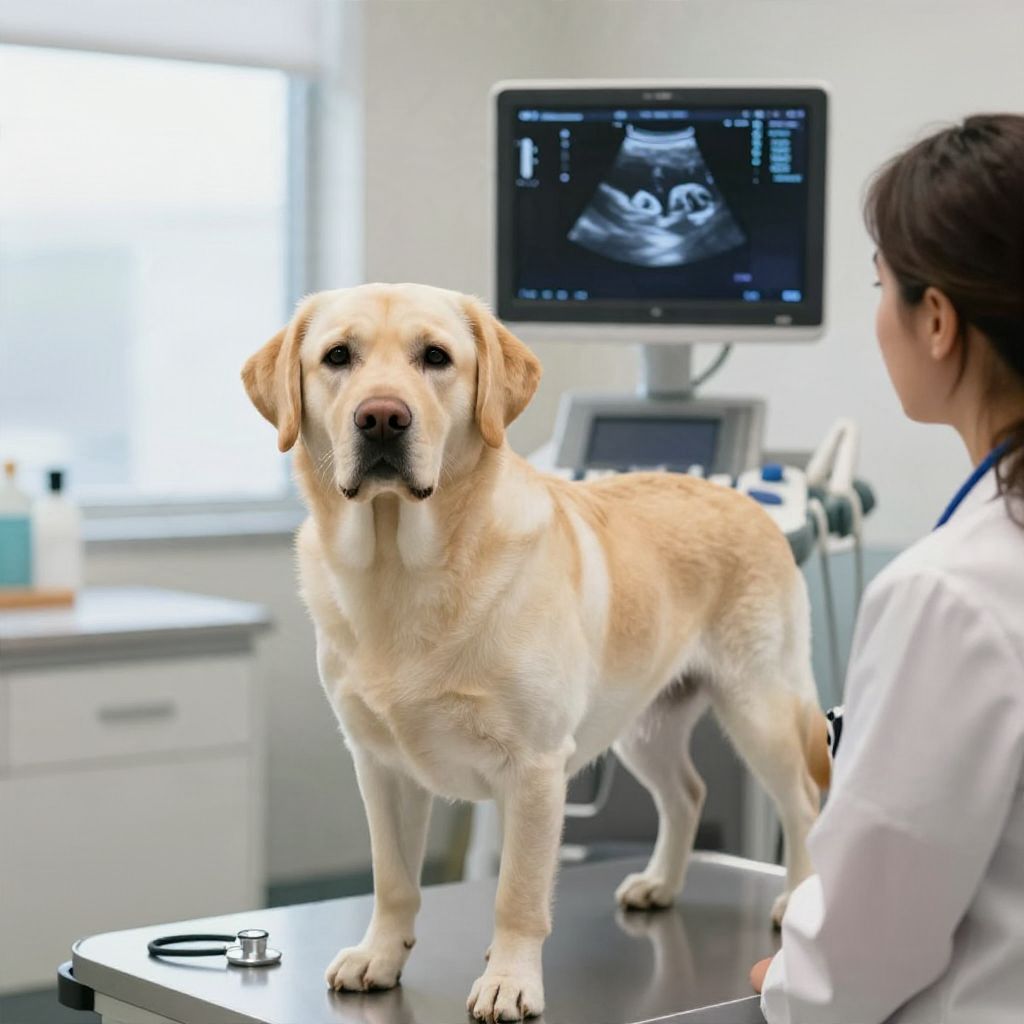
Most twin pregnancies are identified by a veterinarian during early reproductive checks, often with ultrasound. Early detection is important because management is usually safer before the pregnancy progresses too far.
Signs a veterinarian may look for
- Two embryos seen on ultrasound
- Unusual pregnancy findings during routine breeding checks
- Complications later in pregnancy that prompt further evaluation
As a dog owner around horses, you usually won’t diagnose this yourself. If you suspect a mare may be pregnant with twins, the safest step is to contact the horse’s veterinarian or breeding specialist.
What Happens When Twins Are Confirmed?
Management depends on how early the twins are found, the mare’s health, and the veterinarian’s assessment. In some cases, one embryo may be reduced early to improve the chance of a healthy single foal and protect the mare.
Do not assume the pregnancy will “work itself out.” Twin pregnancies in horses need professional guidance, and delaying care can reduce the chances of a good outcome.
Common veterinary goals
- Confirm the pregnancy and assess both embryos.
- Decide whether intervention is appropriate.
- Monitor the mare closely if the pregnancy continues.
- Plan for delivery and postpartum care.
What Dog Owners Should Know Around Pregnant Horses
If your dog lives near horses, the main concern is safety and stress reduction. Dogs can startle horses, interfere with handling, or create a risky environment during veterinary exams and foaling.
- Keep your dog leashed or contained near pregnant mares.
- Do not allow barking, chasing, or crowding around stalls.
- Respect barn rules during breeding, ultrasound, and foaling visits.
- Supervise children and dogs together around horses at all times.
Even a calm dog can accidentally create stress in a horse that is already vulnerable during pregnancy.
Warning Signs That Need Urgent Veterinary Help
If a mare is known or suspected to be carrying twins, certain signs should be treated as urgent. These can indicate pregnancy loss, distress, or a foaling emergency.
- Vaginal discharge, especially if bloody or foul-smelling
- Signs of pain, restlessness, or severe discomfort
- Sudden loss of appetite or marked lethargy
- Abnormal swelling or distress late in pregnancy
- Labor that seems prolonged or difficult
If a mare is in active labor and you suspect twins or a difficult birth, contact a veterinarian immediately. Do not wait to see if things improve on their own.
Common Misunderstandings About Horse Twins
People sometimes assume twins are a lucky or healthy outcome. In horses, that is usually not the case.
- Myth: Twin foals are always possible to raise successfully.
Reality: Twin pregnancies are high-risk and often need intervention. - Myth: A mare can simply carry twins if she seems healthy.
Reality: Even healthy mares can have serious complications. - Myth: Waiting is harmless if the mare looks fine.
Reality: Early veterinary care is often the safest option.
Practical Safety Tips If You Care for Dogs Near Horses
While the pregnancy issue belongs to the horse, your dog’s behavior can affect the safety of the barn or pasture. Good management helps protect both animals.
Helpful habits
- Teach a reliable recall and basic leash manners.
- Keep your dog away from mares that are being examined or foaling.
- Use barriers, gates, or crates when needed.
- Reward calm behavior around livestock from a safe distance.
- Ask barn staff before bringing a dog into horse areas.
If your dog is excitable, fearful, or prone to chasing, work with a certified trainer using reward-based methods. That approach is safer and more effective than punishment-based handling.
When to Ask a Professional for Help
You should involve a veterinarian whenever a horse pregnancy is suspected, confirmed, or seems abnormal. If your dog is struggling to behave safely around horses, a qualified trainer can help you build better control and reduce risk.
- For the horse: veterinarian, equine reproduction specialist, or breeding clinic
- For the dog: certified trainer or veterinary behaviorist if behavior is unsafe or hard to manage
Bottom Line
Can horses have twins? Yes, but twin pregnancies are usually dangerous and require veterinary attention. If you live or work around horses, keep dogs safely managed, and treat any suspected twin pregnancy as a prompt to call the horse’s veterinarian right away.
If you want more animal-care reading, you may also find this helpful: can horses throw up?