
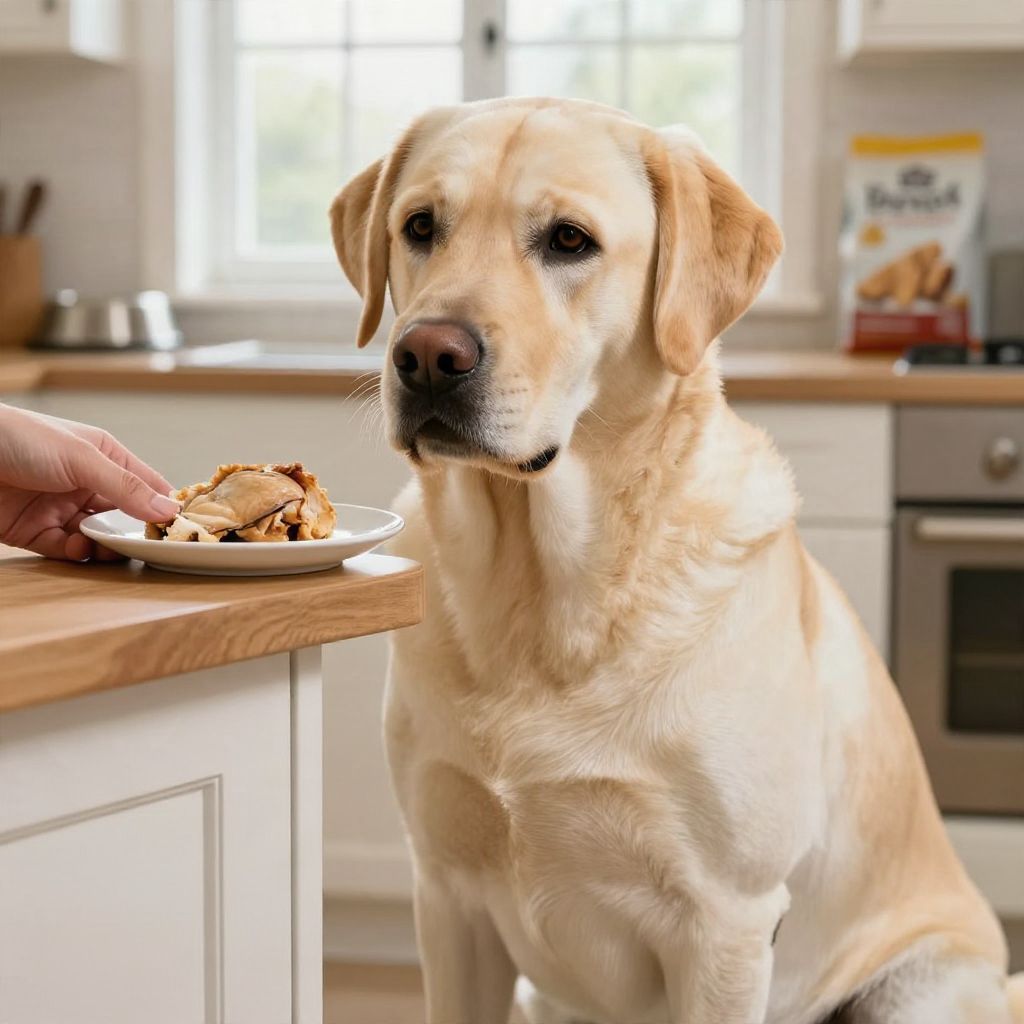
What does chicken do to dogs? In most cases, plain cooked chicken can be a lean, easy-to-digest protein that many dogs tolerate well. But chicken can also cause problems if it is raw, seasoned, fatty, breaded, or if your dog is sensitive or allergic to it.
The effect depends on how the chicken is prepared and on your dog’s age, size, health, and diet. A small amount of plain chicken may be fine, while bones, spices, fried coatings, or spoiled meat can be dangerous.
What does chicken do to dogs?
Chicken can provide protein and be a useful treat or bland-food option when it is plain, fully cooked, and served in moderation. It may upset some dogs’ stomachs, trigger food allergies in sensitive dogs, or cause choking, digestive blockage, or pancreatitis if it is greasy, seasoned, or served with bones.
When chicken is usually safe for dogs
Plain chicken is often safe for many dogs when it is cooked thoroughly and served without skin, bones, seasoning, sauces, or heavy fat. It can be helpful as a temporary bland food after a stomach upset, but only if your veterinarian says that is appropriate for your dog.
Safer ways to offer chicken
- Use plain boiled, baked, or grilled chicken.
- Remove all bones, skin, and visible fat.
- Skip garlic, onion, salt, butter, and spice blends.
- Cut it into small pieces to reduce choking risk.
- Keep portions modest so it does not replace a balanced dog food.
If you are using chicken as a topper or treat, keep it to a small part of your dog’s daily intake. Too much chicken can unbalance the diet, especially for puppies, seniors, and dogs with medical conditions.
When chicken can be harmful
Chicken is not automatically safe just because it is a common dog food ingredient. The preparation matters a lot, and some dogs react poorly even to plain chicken because of intolerance or allergy.
Common risks to watch for
- Raw chicken: may carry harmful bacteria such as Salmonella or Campylobacter.
- Cooked bones: can splinter and injure the mouth, throat, stomach, or intestines.
- Seasoned chicken: garlic, onion, excess salt, and rich sauces can be unsafe.
- Fried or breaded chicken: can be too fatty and may cause vomiting or pancreatitis.
- Chicken skin and drippings: are often high in fat and can upset digestion.
- Spoiled chicken: can cause food poisoning and severe stomach upset.
Signs chicken may be upsetting your dog’s stomach
Some dogs get mild digestive upset after eating chicken, especially if it is rich, new to them, or eaten in a large amount. Mild signs may pass on their own, but worsening or persistent symptoms need veterinary advice.
Possible symptoms
- Vomiting
- Diarrhea
- Gas or bloating
- Drooling
- Reduced appetite
- Abdominal discomfort
- Lethargy
Call your veterinarian if these signs last more than a day, keep coming back, or happen after your dog ate something fatty, seasoned, or questionable. Puppies, toy breeds, older dogs, and dogs with other health issues can become dehydrated faster.
Chicken allergy or intolerance in dogs
Some dogs do not do well with chicken because of a food allergy or sensitivity. A true allergy can show up as skin problems, ear issues, or digestive signs, and it may develop even if your dog has eaten chicken before without trouble.
Possible allergy signs
- Itchy skin
- Frequent licking or chewing
- Recurring ear infections
- Redness or rash
- Chronic soft stool or diarrhea
- Vomiting after meals
Because these signs can overlap with many other conditions, do not assume chicken is the only cause. A veterinarian can help you sort out allergies, parasites, infections, and other digestive or skin problems.
What about raw chicken for dogs?
Raw chicken is a common concern because it can expose both dogs and people in the home to bacteria. Some dogs may appear to handle raw meat, but that does not make it safe for every household or every dog.
If you want a deeper look at the risks and considerations, see is raw chicken good for dogs.
Why raw chicken is risky
- It can carry germs that may make dogs sick.
- It can contaminate bowls, counters, and hands.
- It may be harder to manage safely in homes with children, older adults, or immunocompromised people.
If your dog is very young, elderly, pregnant, immunocompromised, or has a chronic illness, ask your veterinarian before feeding any raw animal protein.
What about chicken bones, nuggets, and leftovers?
Chicken bones are a major hazard, whether they are cooked or raw. Cooked bones are especially dangerous because they can splinter, while raw bones still carry choking and digestive risks.
Processed chicken foods such as nuggets, fried chicken, and heavily seasoned leftovers are also poor choices. They often contain too much fat, salt, breading, or ingredients that do not belong in a dog’s diet.
If you want more detail on processed chicken foods, you may also find can dogs eat chicken nuggets useful.
Do not give your dog
- Cooked chicken bones
- Chicken wings with bones left in
- Greasy skin or fried chicken
- Chicken with onion or garlic seasoning
- Chicken covered in sauces, gravies, or marinades
What to do if your dog ate chicken that may be unsafe
If your dog ate a small amount of plain cooked chicken, they may be fine. If they ate bones, raw chicken, spoiled chicken, or a rich seasoned dish, monitor closely and contact your veterinarian for advice.
Seek urgent veterinary care if you notice
- Choking, gagging, or trouble breathing
- Repeated vomiting
- Bloated or painful abdomen
- Blood in vomit or stool
- Weakness, collapse, or severe lethargy
- Signs of dehydration
- Constipation, straining, or inability to pass stool after eating bones
Do not try to make your dog vomit unless a veterinarian specifically tells you to. If you can, note what was eaten, how much, and when, because that information helps your vet judge the risk.
How much chicken is appropriate?
The right amount depends on your dog’s size, diet, and health. For most dogs, chicken should be a treat, topper, or short-term bland food component rather than a major part of the diet.
Practical portion tips
- Use small amounts for training rewards.
- Keep treats and toppers within your dog’s daily calorie needs.
- Reduce other treats if you add chicken to the diet.
- Be extra careful with overweight dogs and dogs prone to pancreatitis.
Puppies need a complete puppy diet for growth, so chicken should not crowd out balanced food. Senior dogs may also need smaller portions if they have reduced activity, dental issues, or medical conditions.
How to introduce chicken to your dog safely
If your dog has never eaten chicken, introduce it slowly and watch for digestive or skin changes. A gradual approach makes it easier to tell whether chicken agrees with your dog.
- Start with a very small amount of plain cooked chicken.
- Offer it on its own or mixed into regular food.
- Watch for vomiting, diarrhea, itching, or ear irritation over the next day or two.
- If your dog does well, you can continue using it in moderation.
- If symptoms appear, stop feeding chicken and ask your veterinarian.
When to ask your veterinarian
Talk to your veterinarian if your dog has repeated stomach upset after eating chicken, possible food allergy signs, a history of pancreatitis, a sensitive digestive system, or a medical diet. A vet can help you decide whether chicken is a good fit for your dog.
You should also get professional advice if your dog swallowed bones, ate a large amount of fatty chicken, or has ongoing vomiting, diarrhea, or abdominal pain. Those situations can become serious quickly.
Bottom line
Chicken can be a healthy, useful food for many dogs when it is plain, cooked, and served in moderation. But raw, seasoned, fried, or bone-in chicken can cause anything from mild stomach upset to a veterinary emergency. When in doubt, choose safety first and ask your vet.
If you want to keep learning about safe dog feeding, check related guidance on chicken treats and raw chicken risks before offering new foods to your dog.