
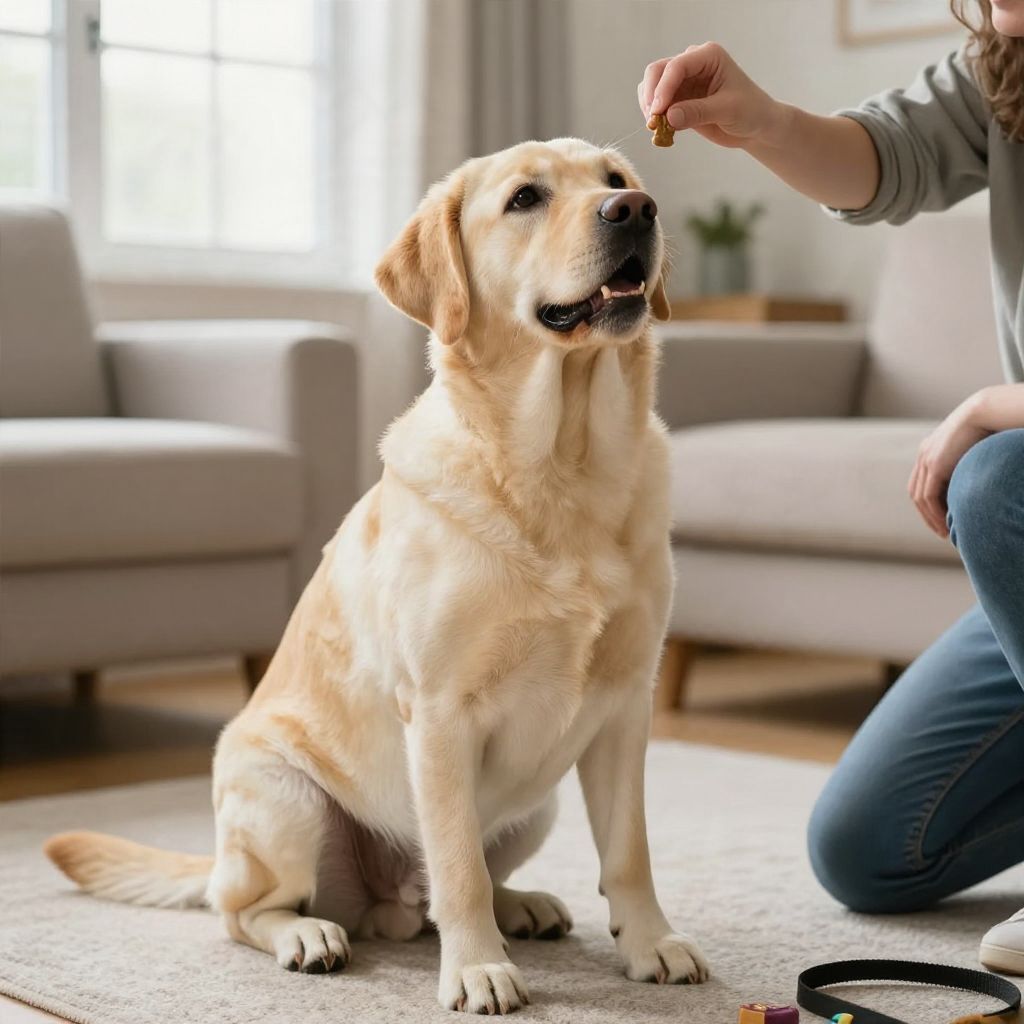
How do you train a dog to sit without confusing or frustrating them? The most effective method is short, reward-based practice with clear cues, good timing, and patience. Most dogs can learn sit quickly when the steps are simple and the rewards are worth it.
Whether you’re working with a puppy, an adult rescue, or a stubborn learner, the goal is the same: help your dog understand what “sit” means and make the behavior easy to repeat. Gentle training works better than force, and it also builds trust.
How To Train A Dog To Sit?
To train a dog to sit, use a treat or toy to guide their nose upward and back so their rear naturally lowers to the floor, then say “sit” and reward immediately. Keep sessions short, repeat often, and practice in quiet places before adding distractions.
Start With the Right Setup
Before you begin, choose a calm environment where your dog can focus. A quiet room or fenced yard is usually better than a busy park at first.
- Use small, soft treats your dog likes.
- Have a marker word such as “yes” or use a clicker if you already know how to use one.
- Keep training sessions to 3 to 5 minutes.
- End while your dog is still interested.
If your dog is very excited, hungry, tired, or overstimulated, they may struggle to learn. Some dogs also need a slower pace because of age, anxiety, or a limited training history.
Step-by-Step: How To Teach Sit
- Stand in front of your dog with a treat in hand.
- Hold the treat near their nose so they notice it.
- Slowly move the treat upward and slightly back over their head.
- As their nose follows the treat, their bottom will usually lower.
- The moment their rear touches the floor, say “yes” or click.
- Give the treat right away.
- Repeat several times, then add the word “sit” just before you lure the movement.
At first, reward every correct response. Once your dog understands the pattern, you can begin rewarding less often, but keep praise frequent so the behavior stays strong.
When to Say the Cue
Say “sit” just before or as you move the treat, not after your dog has already sat. That helps your dog connect the word with the action instead of guessing.
When to Stop Luring
After several successful repetitions, try saying “sit” and waiting a second before moving your hand. If your dog sits, reward them. If not, go back to the lure for a few more tries.
Make the Behavior Reliable
Learning sit in one room is not the same as doing it anywhere. Practice in different places so your dog understands the cue, not just the location.
- Train in the kitchen, then another room, then the yard.
- Practice when there are mild distractions, such as a family member walking by.
- Ask for sit before meals, leash clipping, or opening doors.
- Reward calm, quick responses.
Dogs learn best when the cue predicts something good. Repeating sit in everyday routines helps the behavior become useful, not just a trick for training time.
Common Mistakes That Slow Progress
Many sit-training problems come from timing or pressure, not from the dog being “stubborn.” Avoid these common mistakes:
- Repeating the cue over and over.
- Pushing your dog’s rear down.
- Training for too long in one session.
- Using treats that are too large or not motivating enough.
- Only practicing when your dog is already overexcited.
Physical pressure can make some dogs wary or resistant. Reward-based training is safer and usually faster because it helps your dog choose the behavior willingly.
What If Your Dog Won’t Sit?
If your dog is not sitting, the issue may be discomfort, confusion, or distraction. Try simplifying the lesson before assuming they are being difficult.
- Move to a quieter area.
- Use a better reward.
- Train when your dog is calm and not full of energy.
- Make the hand motion slower and clearer.
- Reward any small lowering of the rear at first.
Some dogs learn better with a “capture” method: wait for them to sit naturally, then mark and reward it. This can be useful for dogs who do not follow lures well.
When Sitting May Be Hard Because of Health
If your dog suddenly refuses to sit, seems stiff, or shows pain when lowering their rear, contact a veterinarian. Joint pain, back pain, injury, or other medical issues can make sitting uncomfortable.
Get urgent veterinary care if your dog cannot stand normally, cries out in pain, drags a limb, collapses, or has sudden weakness. Do not keep training through obvious pain.
How To Train a Puppy To Sit
Puppies often learn sit quickly, but they also tire fast and get distracted easily. Keep sessions extremely short and upbeat, and reward success generously.
- Use tiny treats so you do not overfeed.
- Practice after a potty break and a little play, when your puppy is alert but not wild.
- Keep expectations simple and consistent.
- Stop before your puppy loses focus.
Young puppies are still developing coordination and self-control, so patience matters. If you want more puppy-specific guidance, a focused plan can help you build the cue step by step.
How To Train an Adult Dog To Sit
Adult dogs may already know sit, but they may have learned it inconsistently or only in certain settings. Start as if they are new to the cue, then build reliability gradually.
For adult rescues or dogs with a history of inconsistent handling, avoid rushing. Some dogs need extra time to trust the process, especially if they have had confusing or harsh training in the past.
How To Train a Senior Dog To Sit
Senior dogs can still learn, but age-related stiffness or arthritis may make the motion harder. Keep sessions gentle and watch for signs that sitting is uncomfortable.
- Use a low, easy lure motion.
- Train on a non-slip surface.
- Reward even small efforts.
- Ask your veterinarian if discomfort seems likely.
If your older dog used to sit easily and now avoids it, that change deserves attention. Training should never override possible pain.
Useful Tips for Better Results
Small adjustments can make a big difference in how quickly your dog learns.
- Use the same cue word every time.
- Reward within one second of the sit.
- Practice a few times a day instead of one long session.
- Keep your body language calm and consistent.
- Release your dog with a clear cue after the reward if needed.
Consistency matters more than perfection. If everyone in the household uses the same word and the same general method, your dog will usually learn faster.
When to Get Professional Help
Most dogs can learn sit with basic home training, but some situations call for expert support. A certified professional trainer or veterinary behaviorist can help if your dog is fearful, reactive, highly distracted, or not making progress.
Professional help is also a good idea if your dog shows pain, sudden behavior changes, or anxiety around handling. In those cases, the training plan may need to change to protect your dog’s comfort and welfare.
Conclusion
To train a dog to sit, keep the lesson simple: lure, mark, reward, and repeat in short sessions. Build the cue slowly, practice in different places, and avoid force. If your dog seems painful, confused, or stuck, pause and get help from a veterinarian or qualified trainer.
If you want to keep building on this foundation, you may also find how to train a puppy to sit and how to teach a dog tricks helpful for the next steps.