
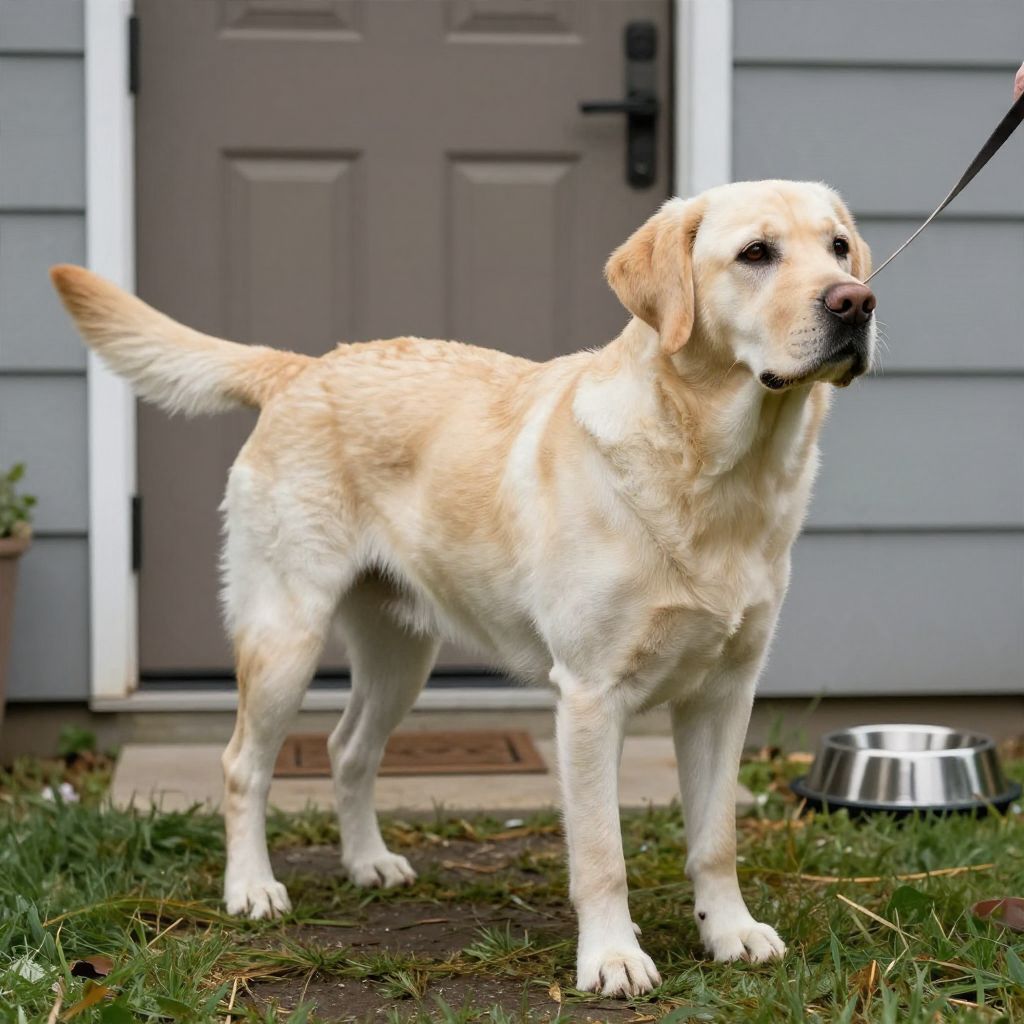
If you’re wondering how long can a dog hold its pee, the answer depends on age, health, size, and routine. Many adult dogs can wait several hours, but that does not mean they should be expected to hold it for long stretches every day.
Use your dog’s normal schedule as the guide. Puppies, seniors, and dogs with medical issues usually need more frequent bathroom breaks, and forcing a dog to “hold it” too long can lead to accidents, stress, and discomfort.
How long can a dog hold its pee?
Healthy adult dogs can often hold urine for about 6 to 8 hours, and some may manage longer in unusual situations. Puppies need much more frequent breaks, while senior dogs and dogs with bladder or kidney problems may need to go out every few hours or sooner.
What affects how long a dog can wait?
There is no single timeline that fits every dog. The length of time a dog can comfortably hold pee depends on several practical factors.
- Age: Puppies have small bladders and limited control. Older dogs may have weaker bladder control or medical conditions.
- Health: Urinary tract infections, bladder stones, diabetes, kidney disease, and some medications can increase urgency or accidents.
- Hydration and diet: Dogs that drink more water, eat wet food, or receive salty treats may need to urinate more often.
- Activity level: Exercise and excitement can trigger the need to pee sooner.
- Routine and training: Dogs that are used to scheduled potty breaks usually do better than dogs with an unpredictable routine.
- Individual differences: Some dogs naturally have better bladder control than others, even within the same breed or size.
Typical pee-holding timeline by life stage
These are general ranges, not guarantees. Your dog may need more frequent breaks based on temperament, health, and daily routine.
Puppies
Puppies usually cannot hold urine for long. Very young puppies may need to go out every 1 to 2 hours, and often after waking, eating, playing, or drinking.
A common rule of thumb is that puppies can sometimes hold pee for about one hour per month of age, but this is only a rough guide. Many puppies still need more frequent trips than that, especially during house training.
Adult dogs
Most healthy adult dogs can usually wait 6 to 8 hours during the day if they are accustomed to a schedule. Some can hold it longer overnight, but that should not become the norm if you can avoid it.
Working breeds, highly active dogs, and dogs with strong routines may adapt well to scheduled breaks. Still, breed alone does not determine bladder capacity.
Senior dogs
Older dogs often need more frequent potty breaks, especially if they have arthritis, cognitive changes, or urinary conditions. Some seniors can still hold urine reasonably well, but many do better with a shorter schedule.
If your older dog starts having accidents, don’t assume it is “just age.” A veterinary check is important.
What is too long for a dog to hold pee?
When a dog is forced to wait beyond its comfortable limit, you may see restlessness, whining, pacing, sniffing, circling, accidents, or visible discomfort. Holding urine too long can increase stress and may contribute to urinary problems in some dogs.
As a practical matter, leaving an adult dog without a bathroom break for a full workday is often not ideal. Puppies, seniors, and dogs with medical concerns should not be expected to wait that long.
Signs your dog needs to go out sooner
Watch for body language and behavior that suggest your dog is trying to tell you something.
- Sniffing the floor or pacing
- Circling or squatting
- Whining, scratching, or staring at the door
- Sudden restlessness after waking, eating, or playing
- Accidents soon after a trip outside
- Drinking more than usual and needing to urinate more often
If your dog is house trained and suddenly starts asking out much more often, that change deserves attention.
How often should you take a dog out?
A reliable schedule is one of the easiest ways to prevent accidents and reduce stress. The exact timing depends on your dog’s age and needs, but consistency matters more than perfection.
- Puppies: After waking, after eating, after play, and frequently throughout the day.
- Adult dogs: First thing in the morning, during the day as needed, after meals if that helps your routine, and before bed.
- Senior dogs: More often than healthy adults, with extra opportunities if mobility is limited.
If you work long hours, arrange a dog walker, neighbor, pet sitter, or daycare option when appropriate. Management is kinder and more effective than expecting a dog to “just hold it.”
What happens if a dog holds pee too long?
Occasional delays are usually not an emergency in a healthy adult dog, but repeated long holds are not ideal. A dog that regularly waits too long may become anxious, have accidents, or develop urinary irritation.
In some cases, straining, frequent attempts to urinate, or blood in the urine can signal a medical issue that needs prompt veterinary attention.
Red flags that need a vet right away
- Straining to pee with little or no urine produced
- Blood in the urine
- Pain, crying, or obvious discomfort while urinating
- Repeated trips outside with only small amounts coming out
- Vomiting, lethargy, or collapse along with urinary signs
- A swollen or hard abdomen
Inability to urinate is an emergency. If your dog seems unable to pass urine, seek urgent veterinary care immediately.
Why some dogs seem to hold it better than others
Dogs are not all built the same. Body size, bladder capacity, age, training history, and daily routine all influence how long a dog can hold pee.
- Small dogs may have smaller bladders, but size alone does not predict bladder control.
- Large dogs may physically hold more urine, but they still need regular opportunities to go out.
- Well-trained dogs often wait calmly because they understand the routine.
- Stressed dogs may need to urinate more often or have accidents even if they are house trained.
Breed tendencies can matter in a general sense, but they are not guarantees. Always judge your own dog’s pattern rather than assuming a breed label tells the whole story.
How to help your dog hold pee comfortably
You should not try to “train” a dog to hold urine for unusually long periods. Instead, build a routine that supports bladder health and house training success.
- Set a consistent potty schedule. Take your dog out at predictable times each day.
- Reward outdoor elimination. Praise calmly and offer a treat after your dog pees outside.
- Watch timing triggers. Most dogs need to go after waking, eating, drinking, and playing.
- Limit missed opportunities. If your dog has accidents, shorten the time between breaks.
- Provide easy access. Use a leash, yard access, or a designated potty area so your dog can go quickly.
- Clean accidents thoroughly. Use an enzymatic cleaner so lingering odor does not encourage repeat accidents.
Common mistakes to avoid
When owners ask how long can a dog hold its pee, the real goal is usually preventing accidents without causing stress. These mistakes can make things harder.
- Waiting too long between potty breaks
- Assuming accidents are “bad behavior” instead of a timing or health issue
- Punishing a dog after an accident
- Ignoring increased thirst or frequent urination
- Expecting puppies or seniors to follow an adult dog schedule
- Using crate time as a substitute for regular bathroom breaks
Positive reinforcement and a realistic schedule work far better than frustration or punishment.
When to talk to your veterinarian
Contact your veterinarian if your dog suddenly needs to pee more often, starts having accidents after being reliably house trained, strains to urinate, or seems uncomfortable. These signs can point to infection, inflammation, hormonal disease, pain, or other medical concerns.
It is also worth asking for help if your dog cannot manage the current schedule because of age, mobility limits, or anxiety. Your vet can help you rule out medical causes and suggest practical adjustments.
Bottom line
Most healthy adult dogs can hold pee for about 6 to 8 hours, but puppies, seniors, and dogs with health issues usually need much more frequent breaks. The safest approach is to follow your dog’s needs, keep a consistent potty routine, and get veterinary help if urination changes suddenly.
If you want more practical guidance, you may also find how often puppies pee and how long a dog can go without peeing helpful for planning a realistic schedule.