
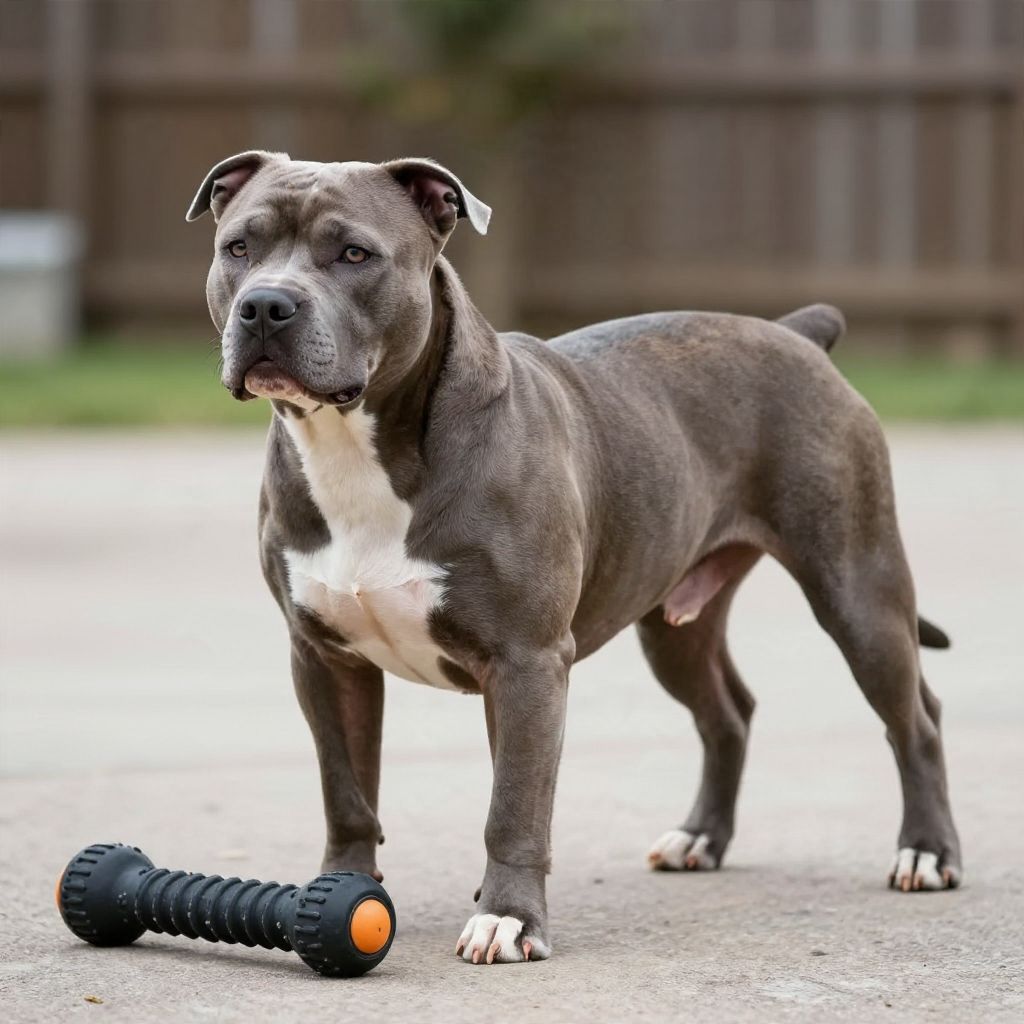
What is the bite force of a Pitbull, and does it mean the dog is more dangerous than other breeds? The short answer is that bite force is often overstated in casual discussions, and it does not tell you everything about a dog’s behavior, training, or risk.
If you want a practical answer, it helps to understand what bite force measures, why numbers vary, and what really matters for safety: supervision, socialization, training, health, and responsible handling.
What Is The Bite Force Of A Pitbull?
There is no single reliable “Pitbull bite force” number for every dog. Bite force varies by individual dog, size, jaw shape, health, age, and measurement method, and published figures are often inconsistent. A stronger bite force does not automatically mean a dog is more aggressive, and it does not predict behavior on its own.
What Bite Force Actually Means
Bite force refers to the pressure a dog can exert with its jaws. It is usually measured in pounds per square inch, or PSI, but the method matters a lot, so comparisons can be misleading.
That means one article may quote a number from a different test setup than another. For that reason, exact breed-wide bite force claims should be treated cautiously.
Why the number is hard to pin down
- Different testing methods can produce different results.
- Individual variation is normal, even within the same breed.
- Age and health can affect jaw strength and bite behavior.
- Motivation and context matter more than raw force in real-world situations.
Does Bite Force Tell You How Dangerous A Dog Is?
No. Bite force alone does not tell you whether a dog is safe, well-trained, or likely to bite. A dog’s behavior depends much more on temperament, early socialization, handling, fear, pain, stress, and whether people manage the dog responsibly.
A dog with a lower measured bite force can still injure someone, and a dog with a higher measured bite force may be calm and well-mannered. The most important question is not just “how strong is the bite?” but “how is the dog raised, trained, and supervised?”
Why People Ask About Pitbull Bite Force
Pitbull-type dogs are often discussed in bite force conversations because they are muscular, powerful, and frequently misunderstood. People also tend to focus on breed labels, even though behavior is shaped by far more than breed alone.
If you are researching Pitbulls, it is helpful to separate myth from practical care. A well-managed dog can be a reliable companion, while poor training, neglect, or unsafe handling can create problems in any breed.
What matters more than breed stereotypes
- Early and ongoing socialization
- Reward-based training
- Controlled interactions with people and other animals
- Routine exercise and mental enrichment
- Veterinary care for pain or illness
How To Think About Safety Around A Pitbull
The safest approach is to focus on prevention, not fear. Any dog can bite if frightened, in pain, overstimulated, or cornered, so good management is essential.
Use the same safety habits you would use with any strong, athletic dog: supervise closely, avoid rough handling, and teach polite behavior from an early age.
Practical safety steps
- Use a secure leash and well-fitted harness or collar when outside.
- Supervise children and never leave them alone with any dog.
- Give the dog a quiet space to rest and avoid bothering them while eating or sleeping.
- Reward calm behavior around people, dogs, and new environments.
- Work with a qualified trainer if you see guarding, lunging, or fear-based reactions.
Common Reasons Dogs Bite
Understanding the reason behind a bite or snap is more useful than focusing on breed. Dogs often bite because they feel threatened, are in pain, are protecting resources, or have not been taught how to cope with stress.
Possible triggers
- Pain or illness
- Fear or panic
- Resource guarding
- Overexcitement
- Rough play or poor supervision
- Startling a resting dog
If a dog suddenly becomes more reactive, a veterinary exam is a smart first step. Behavior changes can sometimes point to discomfort, injury, dental disease, or another medical issue.
How Training Affects Bite Risk
Training does not change a dog’s jaw anatomy, but it can greatly reduce risky behavior. A Pitbull that learns impulse control, settling skills, and reliable cues is easier to manage in daily life.
Reward-based training is the safest and most effective approach for most dogs. It builds trust and helps the dog learn what to do instead of punishing the dog after the fact.
Helpful training goals
- Responding to name and recall
- Settling on a mat or bed
- Loose-leash walking
- Trading toys or food calmly
- Comfort with handling and grooming
Socialization And Early Life Matter
Early positive experiences can shape how a dog responds to the world. This is especially important for energetic, strong dogs that need good manners around people, dogs, and new situations.
Socialization should be gradual and positive, not overwhelming. The goal is to help the dog feel safe and confident, not to force interaction.
Good socialization looks like this
- Short, calm introductions to new sights and sounds
- Positive experiences with different people
- Controlled exposure to other dogs
- Rewarding relaxed behavior
- Stopping before the dog becomes overwhelmed
When Health Can Influence Bite Behavior
Pain can make any dog more irritable or defensive. Dental disease, ear infections, arthritis, skin problems, and injuries can all increase the chance of a snap or bite if the dog is touched in a sensitive area.
If your dog is usually gentle but suddenly growls, guards, or avoids touch, schedule a vet visit. Do not assume it is “just behavior.”
Red flags that need veterinary attention
- Sudden aggression or personality change
- Whining, limping, or stiffness
- Refusing food or treats
- Facial swelling or pawing at the mouth
- Growling when touched in one area
What To Do If A Dog Bites
If a bite happens, focus first on safety and medical care. Even a small puncture can become infected, and deeper wounds may need urgent treatment.
Separate the dog calmly if it is safe to do so, then get medical help for the person injured. If the dog is acting strangely, appears in pain, or the bite was unprovoked, contact a veterinarian promptly.
Seek urgent help right away if
- The wound is deep, bleeding heavily, or on the face, hand, or neck
- The person bitten is a child, older adult, or medically vulnerable
- The dog seems disoriented, painful, or suddenly aggressive
- There is concern about rabies exposure or an unknown vaccination status
How To Lower Risk In A Strong, Energetic Dog
Many Pitbull-type dogs do best with structure, exercise, and clear expectations. A bored or under-exercised dog may become frustrated, hyperactive, or hard to manage.
Daily outlets for energy and the brain can make a big difference in behavior.
Useful daily routines
- Walks with sniffing time
- Food puzzles or scatter feeding
- Short training sessions
- Safe play with toys
- Consistent rest periods
Remember that more exercise is not always the answer if the dog is anxious or reactive. In those cases, a trainer or veterinary behaviorist can help you build a better plan.
Common Mistakes To Avoid
Some habits can increase stress and make biting more likely. Avoiding these mistakes is just as important as training the dog to behave well.
- Using punishment, intimidation, or harsh corrections
- Forcing interactions with people or dogs
- Ignoring growling, freezing, or lip-licking
- Leaving children unsupervised with the dog
- Skipping veterinary care when behavior changes
When To Get Professional Help
If your dog shows repeated growling, snapping, guarding, or fear-based reactions, do not wait for the problem to grow. A certified trainer who uses humane methods or a veterinary behaviorist can help you address the issue safely.
Professional support is especially important if the dog has already bitten someone, if the behavior is escalating, or if you feel unsure about managing the dog safely at home.
Bottom Line
So, what is the bite force of a Pitbull? There is no single dependable number that explains every dog, and bite force alone does not define temperament or safety. What matters most is responsible ownership: training, socialization, supervision, and prompt veterinary care when needed.
If you want to learn more about the breed context behind these questions, you may also find what Pitbulls were originally bred for and which dogs are often discussed as the strongest helpful for perspective.